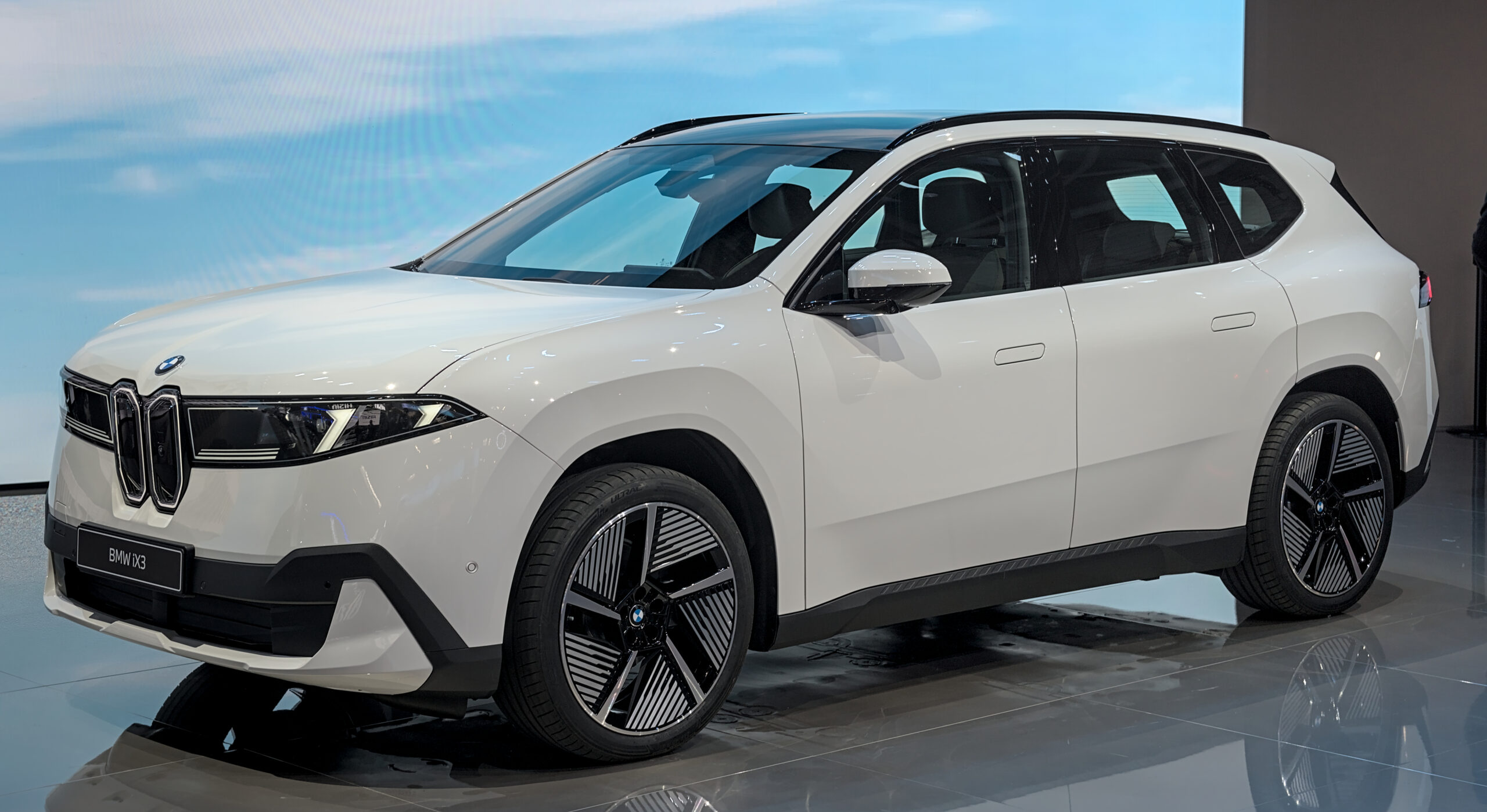
BMW iX3 has been explicitly named by BMW as going up against the Mercedes GLC with EQ Technology. Both are German luxury compact SUVs entering a crowded segment with genuinely strong specs. The real differences show up in architecture philosophy, not just horsepower figures.
Table of Contents
Platform Philosophy: Ground-Up Vs. Adapted
The iX3 rides on Neue Klasse, a platform BMW built specifically for electric vehicles from the ground up, with full specs detailed in BMW Blog’s launch coverage. That architecture decision shapes everything from packaging to the 800-volt electrical system supporting fast charging.
Mercedes’ EQ Technology branding on the GLC reflects a different approach, adapting an existing platform family for electrification rather than building a dedicated EV-only architecture. That distinction can affect interior packaging efficiency and how fully the chassis exploits an EV’s unique layout advantages.
Range And Charging Speed
The iX3 50 xDrive targets up to 434 miles of EPA-estimated range, a genuinely strong figure for this segment. Its 400 kW peak DC charging and roughly 21-minute 10-to-80 percent time both lean on the Neue Klasse platform’s dedicated EV electrical architecture.
Mercedes’ GLC EQ Technology figures vary by specific configuration and have not consistently matched BMW’s stated range ceiling. Confirming current, model-year-specific numbers directly against both brands’ official specifications matters more than relying on earlier EQ-badged model comparisons.
Technician’s Note: Compare trim-for-trim pricing carefully before assuming either brand offers better value outright. Luxury SUV option packages can shift effective pricing by thousands of dollars in either direction.
Software And Interior Experience
BMW Panoramic iDrive debuts alongside the iX3’s hardware, a genuinely new software generation built specifically for Neue Klasse. Mercedes’ MBUX system has iterated over several model years already, giving it more real-world refinement time, though a less dramatic generational leap than BMW’s new interface.
Both brands lean heavily on large central displays and reduced physical controls. A buyer’s tolerance for screen-based climate and vehicle functions matters as much as any spec-sheet comparison between these two.
Which One Actually Fits A Buyer
A buyer prioritizing maximum range and the newest available EV-native architecture should lean toward the iX3. A buyer prioritizing a more established infotainment system and brand familiarity may lean Mercedes. Both represent genuine, current-generation efforts from each brand, not a clear mismatch.
Common Questions About The BMW iX3 And Mercedes GLC EQ
Does the iX3’s dedicated EV platform actually matter for everyday driving?
It can, particularly in interior packaging and charging architecture. A ground-up EV platform like Neue Klasse often allows more efficient use of interior space and supports higher-voltage charging systems more directly than an adapted platform.
Which SUV has the longer EPA-estimated range?
The BMW iX3 50 xDrive’s targeted 434 miles currently leads, based on BMW’s stated figures. Confirming official, current-model-year range ratings directly from both manufacturers gives the most accurate comparison, since figures update with new model years.
Is BMW’s new software system more refined than Mercedes’ MBUX?
Not necessarily. BMW Panoramic iDrive is newer and built specifically for Neue Klasse, while Mercedes’ MBUX has had more real-world iteration time. Each offers different tradeoffs between novelty and proven refinement.