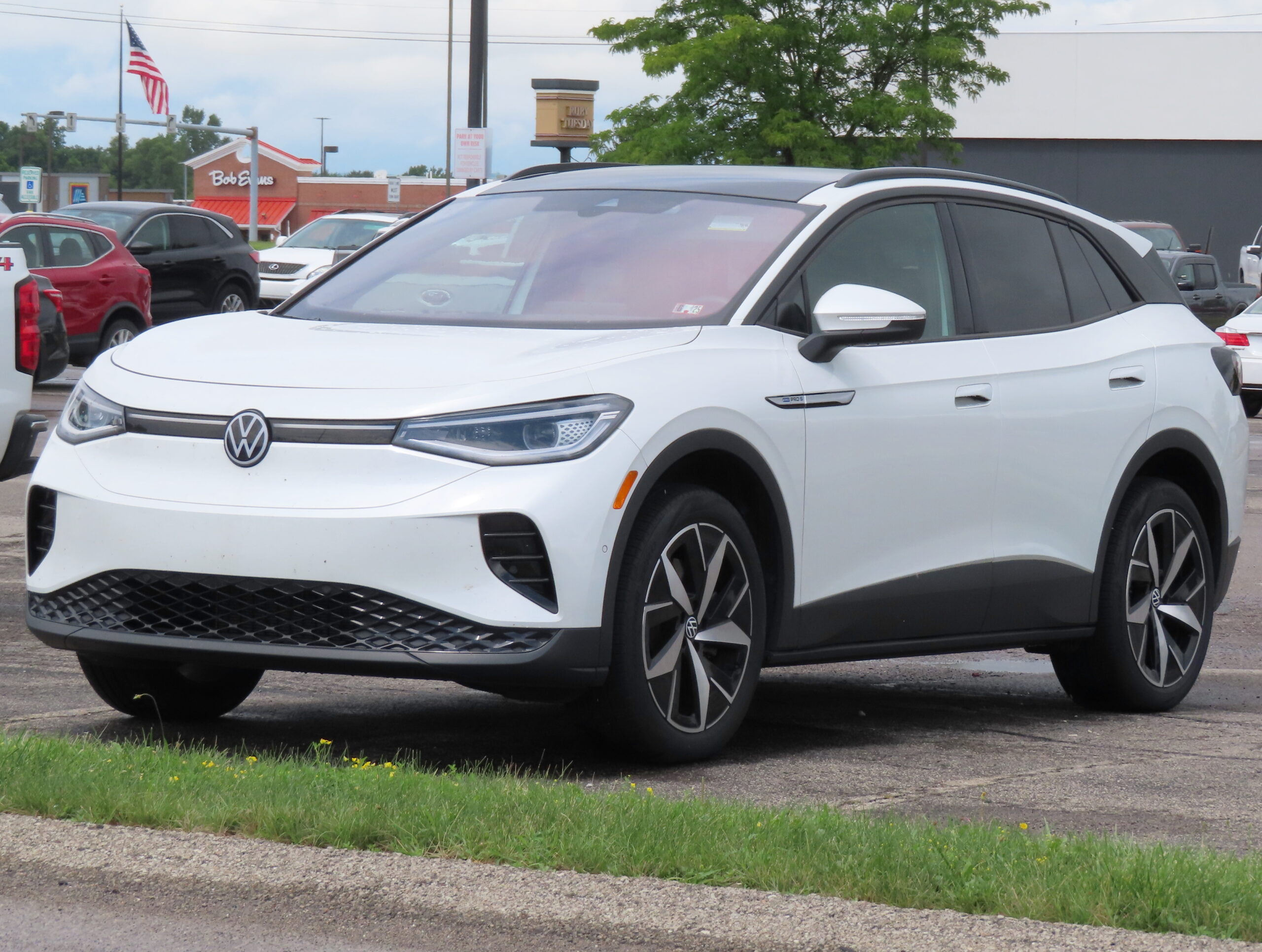
A used VW ID.4 has racked up two separate battery-related recalls in 2026 alone. That pattern understandably gives shoppers pause. The real question isn’t whether recalls happened, but whether a specific used ID.4 is actually safe to buy once those recalls are addressed.
Table of Contents
What The Two 2026 Recalls Actually Covered
January 2026 brought a recall for over 44,000 US vehicles tied to battery overheating and self-discharge risk, per Kelley Blue Book’s recall coverage. October’s separate recall covers 22,524 ID.4s for a different thermal propagation risk tied to charging above 80 percent.
Two distinct battery recalls within one model year is a genuinely unusual pattern worth taking seriously. It does not automatically mean every ID.4 is unsafe, but it does mean a used buyer needs to verify recall status more carefully than usual.
How To Actually Check A Specific Vehicle
Run the specific VIN through NHTSA’s recall lookup tool before any purchase. That check reveals every open recall campaign tied to that exact vehicle, not just general model-wide news coverage. A dealer or private seller’s claim that “the recall was handled” deserves direct VIN verification, not just trust.
Confirm specifically whether the October 2026 recall’s permanent remedy has actually been completed, not just the interim 80 percent charge-limit advisory applied. The remedy was still under development as of the recall filing, so some vehicles may only have the interim measure in place.
Technician’s Note: Ask to see dealer service records showing the exact recall remedy performed, not just a verbal confirmation. A completed interim measure and a completed permanent fix are different things, and the paperwork should specify which one actually happened.
Does This Affect Resale Value
Multiple recalls on a used vehicle can create real negotiating leverage for a buyer, even once properly repaired. A seller asking full market price despite an unresolved recall history has less standing to refuse a reasonable price reduction.
A properly repaired vehicle with documented remedy completion carries less long-term risk than headlines alone suggest. Recalls exist specifically to catch and fix these issues before they cause harm, and a completed repair genuinely addresses the underlying defect.
The Bottom Line For Used ID.4 Shoppers
A used ID.4 with both recalls properly closed out, confirmed through VIN lookup and service records, is a reasonable purchase. One with open or unclear recall status deserves a firm price adjustment or a pass entirely until status is confirmed.
Common Questions About Buying A Used VW ID.4
Are the January and October 2026 ID.4 recalls the same issue?
No. The January recall addressed battery overheating and self-discharge risk, while October’s recall covers a separate thermal propagation risk tied to charging above 80 percent. A VIN could be affected by one, both, or neither.
How can a buyer confirm a used ID.4’s recall status before purchase?
Run the specific VIN through NHTSA’s recall lookup tool directly, rather than relying on a seller’s verbal claim. Requesting dealer service records showing the exact remedy performed adds further confirmation beyond the lookup alone.
Should recall history lower what a buyer offers for a used ID.4?
It can be reasonable negotiating leverage, particularly if recall status is unclear or unresolved. A properly repaired vehicle with documented, completed remedies carries less justification for a steep discount than one with open recalls.