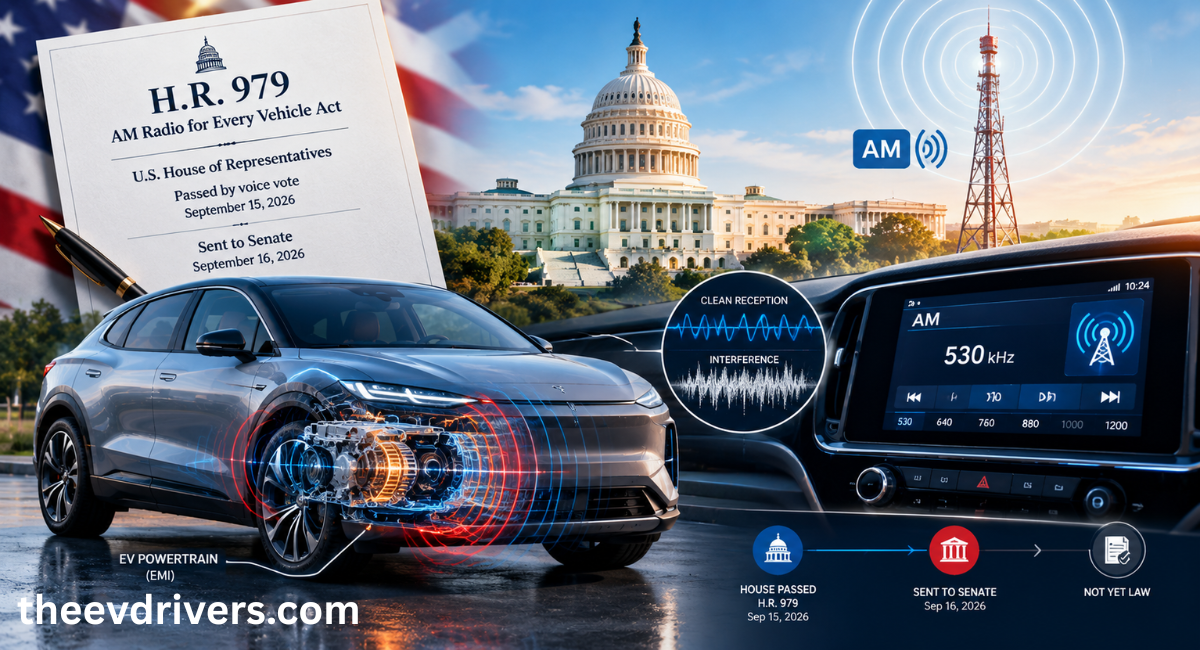
The House passed the AM Radio for Every Vehicle Act on September 16 with overwhelming bipartisan support, sending it to the Senate. The bill would require every new vehicle, including EVs, to carry a working AM radio at no extra cost. Eight automakers, including Tesla and Rivian, have dropped AM from electric models specifically because their motors generate real electromagnetic interference on those frequencies.
What The House Actually Passed
The House passed H.R. 979 via voice vote on September 16, 2026, backed by more than 300 bipartisan cosponsors, directing the Department of Transportation to require AM radio access in new vehicles at no separate charge.
A companion bill, S. 315, already cleared Senate committee earlier this year and awaits a full floor vote, with reconciliation between the House and Senate versions remaining the last step before a presidential signature.
Why EVs Specifically Created This Problem
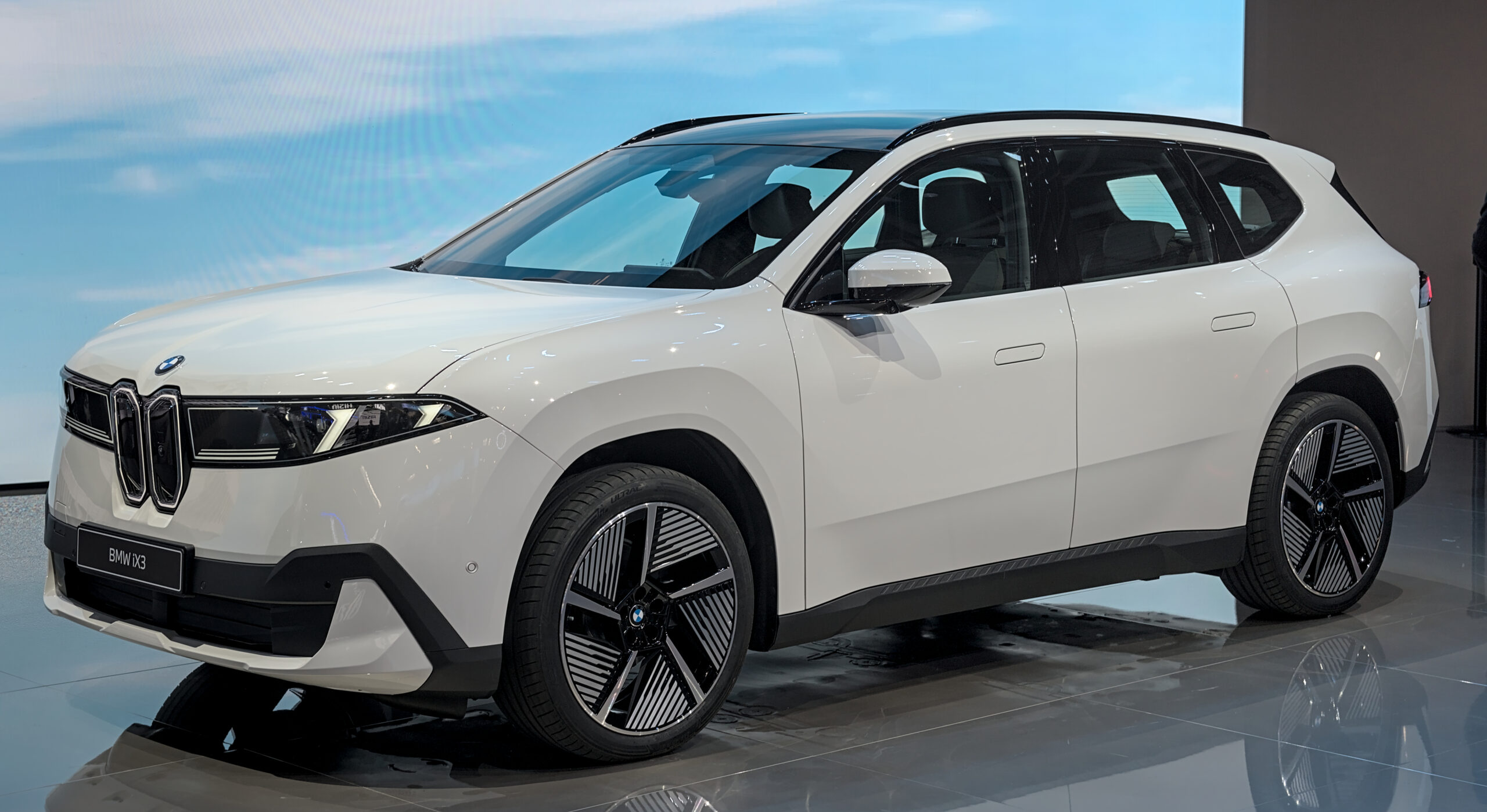
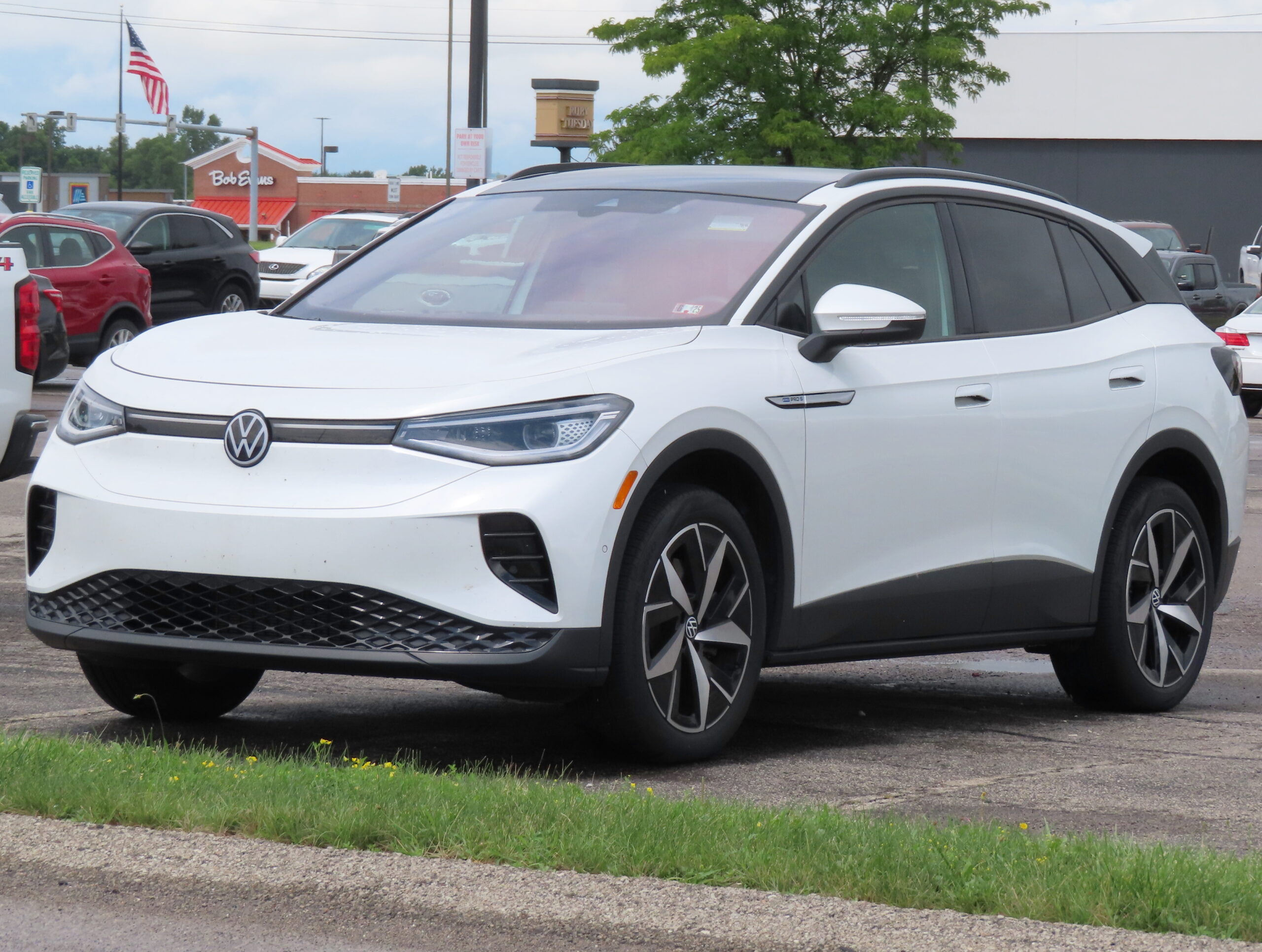
Eight automakers, including BMW, Ford, Mazda, Polestar, Rivian, Tesla, Volkswagen, and Volvo, have removed AM radio from electric models specifically, citing electromagnetic interference their motors generate on AM frequencies.
An EV’s power electronics rapidly switch large electrical currents to control the motor, and those switching events generate electromagnetic energy that can bleed directly into the same low-frequency range AM radio occupies.
Technician’s Note: The interference is a real, documented engineering challenge, not a manufacturer excuse. Shielded cabling, signal-to-noise filtering, and relocated antenna hardware can all reduce it, but each adds cost and complexity automakers have so far avoided.
Which Automakers Kept AM, And Why That Matters
Ten other automakers, including Honda, Hyundai, Kia, Nissan, Stellantis, Subaru, and Toyota, told reporters they still maintain AM broadcast access across their EV lineups, suggesting the interference challenge is solvable rather than an insurmountable technical limit.
That split between automakers who solved the problem and those who simply removed the feature became a central argument for the bill’s supporters, since it undercuts the claim that AM radio and EVs are fundamentally incompatible.
What Happens Next, And When It Would Actually Take Effect
If the Senate passes its version and the bill reaches a president’s signature, the resulting rule would generally take effect within two years, with small-volume manufacturers granted an extended four-year compliance window.
During any interim transition period, a vehicle sold without AM radio must carry a clear consumer disclosure and cannot charge extra for future access, according to the bill’s current text.
Common Questions About The AM Radio Vehicle Act
Has the AM Radio for Every Vehicle Act become law yet?
Not yet. The House passed it September 16, 2026 with bipartisan support, but it still needs Senate passage and reconciliation with the Senate’s companion bill, S. 315, before reaching a president’s desk.
Why do EVs specifically have trouble with AM radio reception?
An EV’s power electronics rapidly switch large electrical currents to control the motor, generating electromagnetic energy that bleeds into the same low-frequency range AM radio occupies, creating static or unusable reception.
Do all electric vehicles lack AM radio?
No. Eight automakers, including Tesla, Rivian, and BMW, removed it from EV models specifically. Ten others, including Honda, Hyundai, Toyota, and Kia, still maintain AM radio access, showing the interference problem is solvable.