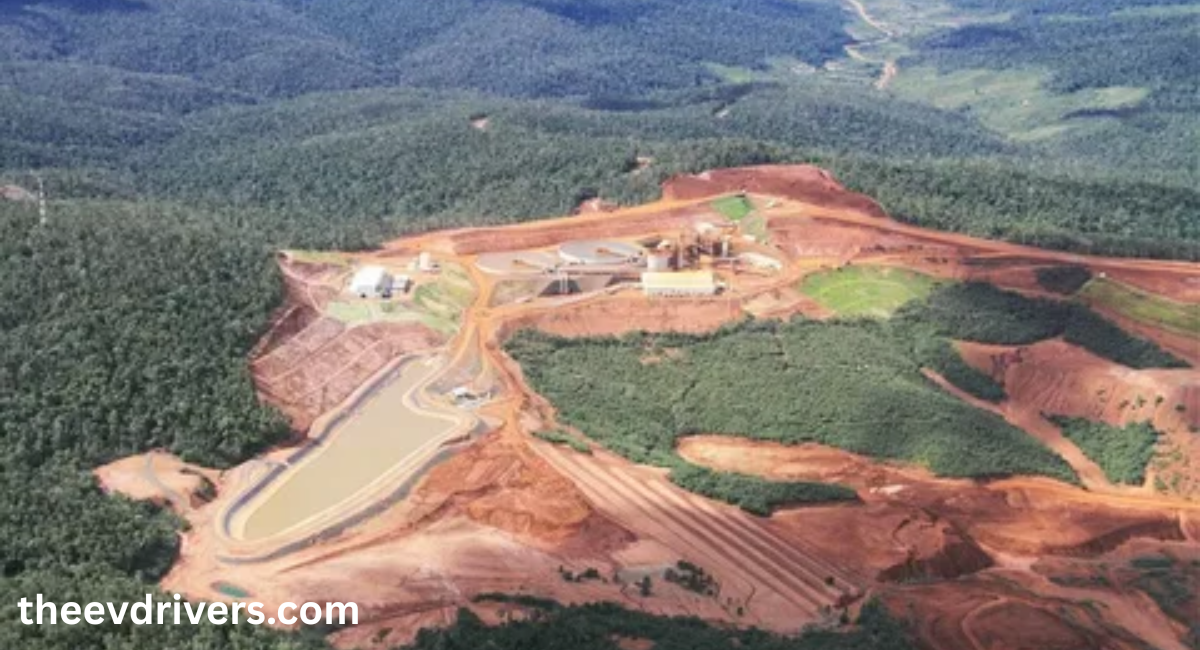
President Trump signed a resolution this spring overturning a Biden-era mining ban across 225,504 acres of northern Minnesota’s Superior National Forest. The region, known as the Duluth Complex, holds an estimated 95 percent of America’s domestic nickel reserves and 88 percent of its cobalt reserves, both critical inputs for EV battery production most automakers currently import.
What Actually Changed In Minnesota
H.J. Res. 140, signed into law this spring, overturned a prior administration’s mining withdrawal covering 225,504 acres of land in Minnesota’s Superior National Forest, reopening the area to mineral exploration and development.
That reopened land sits atop the Duluth Complex, a geological formation containing an estimated 7.3 billion tonnes of minerals, one of the largest undeveloped mineral deposits of its kind in the United States.
Why This Specific Region Matters For EV Batteries
The Duluth Complex could constitute roughly 95 percent of America’s domestic nickel reserves and 88 percent of its cobalt reserves, according to geological survey estimates, alongside a third of the country’s copper reserves and 75 percent of its platinum resources.
Nickel and cobalt serve as core components in the lithium-ion battery chemistries most EV manufacturers currently rely on, meaning domestic access to both minerals directly affects how dependent U.S. battery production remains on foreign imports.
Technician’s Note: Reopening land for exploration does not guarantee near-term mineral production. Environmental review, permitting, and actual mine construction typically span years to over a decade before a newly reopened deposit reaches commercial output.
What This Doesn’t Change Immediately
No mining has begun in the reopened region as a direct result of this specific resolution. The change removes a legal withdrawal blocking exploration, but individual mining projects still require their own separate environmental review and permitting process.
Battery manufacturers currently sourcing nickel and cobalt from established international supply chains, including operations in Indonesia and the Democratic Republic of Congo, will continue relying on those sources through any Minnesota development timeline.
How This Fits The Broader Push For Domestic Battery Materials
This reopening follows a broader pattern of federal action aimed at reducing EV battery supply chain dependence on imported critical minerals, a priority that has grown more urgent as tariff pressure on imported components has increased.
Whether Minnesota’s reopened land translates into actual production capacity within the next several years remains genuinely uncertain, dependent on mining company investment decisions, permitting timelines, and market prices for nickel and cobalt going forward.
Common Questions About The Minnesota Mining Reversal
How much land did the reversed mining ban actually reopen?
225,504 acres of land in northern Minnesota’s Superior National Forest, part of the Duluth Complex geological formation, were reopened to mineral exploration and development under H.J. Res. 140.
Why does this Minnesota mining region matter specifically for EV batteries?
The Duluth Complex could hold roughly 95 percent of America’s domestic nickel reserves and 88 percent of its cobalt reserves, both core components in the lithium-ion battery chemistries most EV manufacturers currently use.
Will this reopened land start producing EV battery minerals soon?
Not immediately. Reopening land for exploration doesn’t guarantee near-term production. Environmental review, permitting, and mine construction typically take years to over a decade before a deposit reaches commercial output.