EVgo previewed a next-generation charging system this month built to deliver up to 750 kilowatts, enough to fully charge the fastest-charging vehicles on the US market in about 10 minutes. The design work is happening at EVgo’s Innovation Lab in El Segundo, California, with longtime partner Delta Electronics.
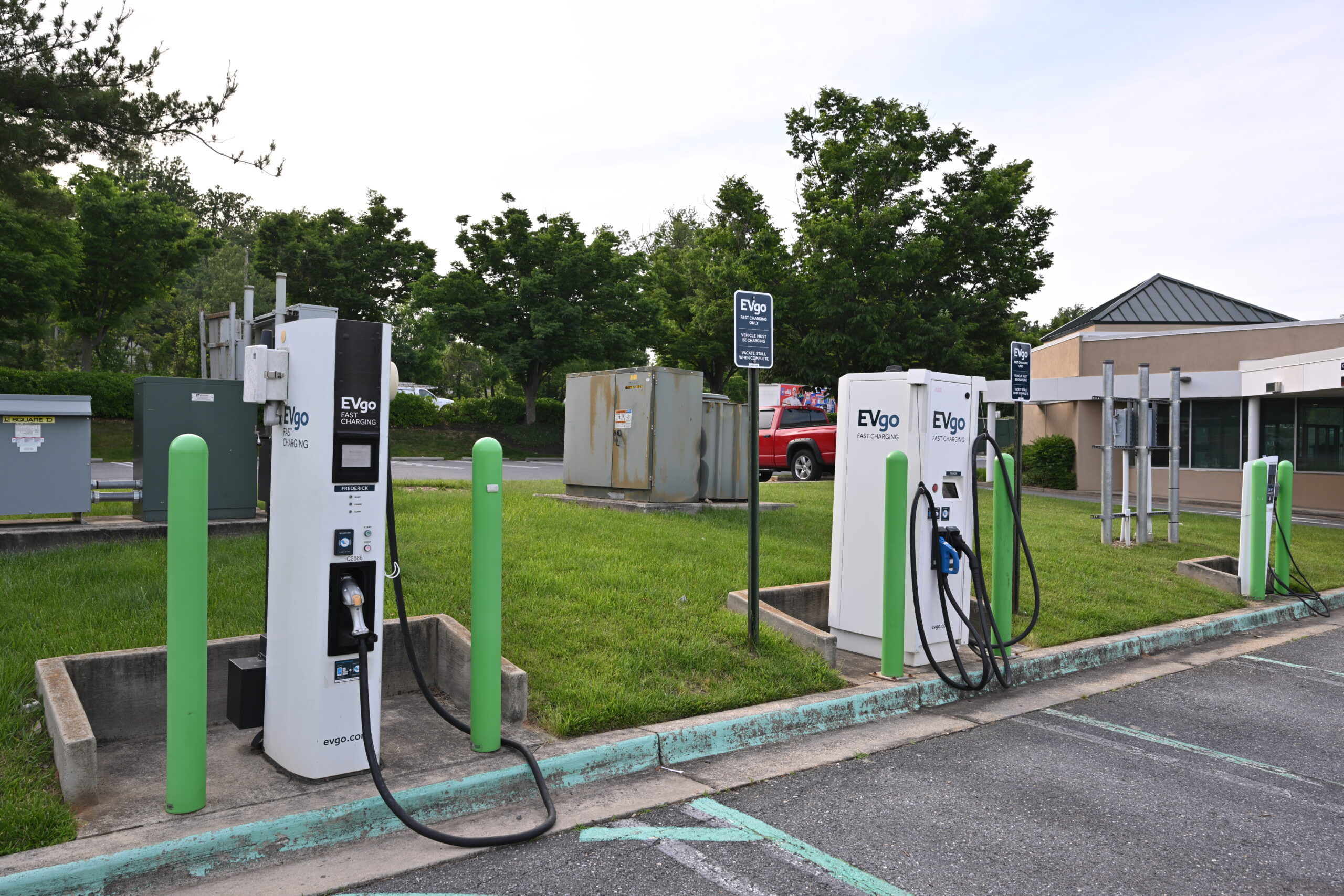
Table of Contents
What Actually Changes At 750 Kilowatts
Current EVgo hardware tops out well below this ceiling. A 750 kW system specifically targets vehicles with 800-volt-plus architectures, the same class of cars already pushing 400 kW charging on other networks. Most EVs on the road today won’t draw anywhere near 750 kW, so the benefit is concentrated on the newest, fastest-charging models.
Dynamic power-sharing is built into the new architecture, meaning each connected vehicle gets the most power it can individually handle, even when sharing a unit with another car. That’s a meaningful improvement over systems that simply split a fixed power budget evenly regardless of what each vehicle can actually accept.
The Data Behind The Decision
EVgo says the design draws on data from 1.8 million customer accounts and more than 10 million charging sessions per year. That scale of real-world usage data is a genuine advantage for EVgo, one of the few American charging networks that designs its own hardware rather than buying off-the-shelf units.
Planned features beyond raw power include more maneuverable cables, a touchless payment interface, and upgraded firmware aimed specifically at improving reliability. Reliability has been a persistent weak point across public charging broadly, so this focus matters as much as the headline power figure.
Technician’s Note: A 750 kW rating describes the station’s maximum output, not what any single vehicle will draw. Check a specific EV’s own peak charging rate before assuming it will benefit meaningfully from this upgrade.
Every Station Will Use NACS
EVgo confirmed every new station in this rollout will use NACS connectors, part of a broader strategy to widen its customer base as more automakers ship NACS-native vehicles. That decision mirrors the industry-wide shift already playing out across nearly every major charging network in North America.
EVgo charge rates have already climbed nearly 20 percent over the past two years, and the company expects that trend to continue as more high-power vehicles reach the road. The rollout of this new architecture is expected to begin in 2027.
Common Questions About EVgo’s 750kW Charger
When will EVgo’s 750kW chargers actually be available?
EVgo expects to begin rolling out its next-generation charging architecture in 2027. This is currently a preview of hardware still in design and testing at the company’s Innovation Lab, not a system available at stations today.
Will my current EV charge faster at these new stations?
Only if your vehicle’s own peak charging rate exceeds what current EVgo stations already support. The 750 kW ceiling benefits newer, high-voltage vehicles specifically; most EVs on the road today will see no difference in charging speed.
Do the new EVgo stations require an adapter for Tesla vehicles?
No. Every station in this rollout uses native NACS connectors, the same standard Tesla originated, so NACS-equipped vehicles can plug in directly without an adapter.