Honda is targeting 2027 for its first wireless in-motion EV charging tests. The concept charges a vehicle while it drives over embedded road coils, not just while parked. That distinction matters because in-motion charging solves a different problem than every stationary charger built so far.
How Wireless In-Motion Charging Actually Works
Coils embedded in the road surface transfer power to a receiver built into the vehicle’s underside. The car draws charge continuously while driving over an equipped stretch of road. No plug, no stop, and no driver action required during the charging window itself.
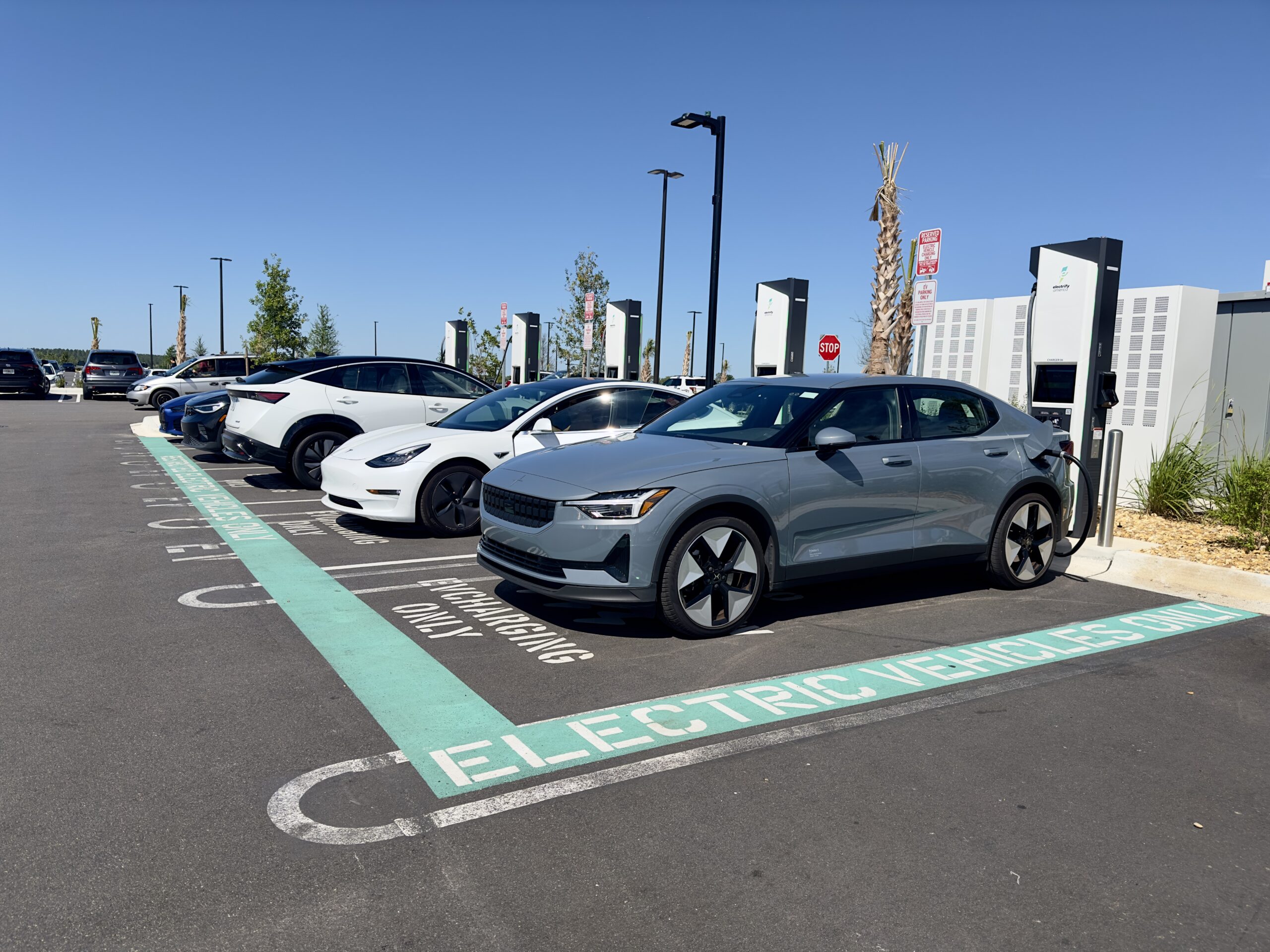
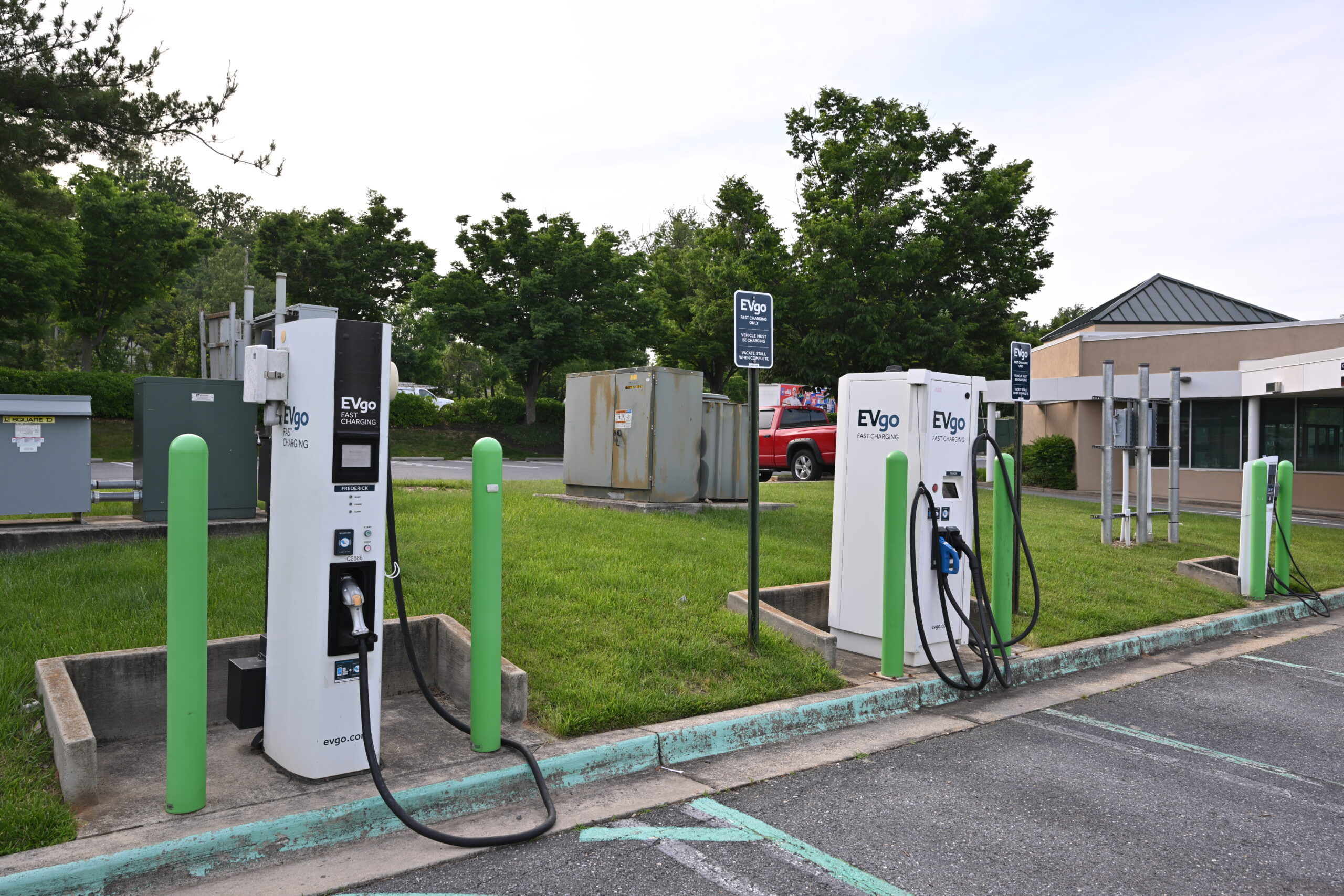
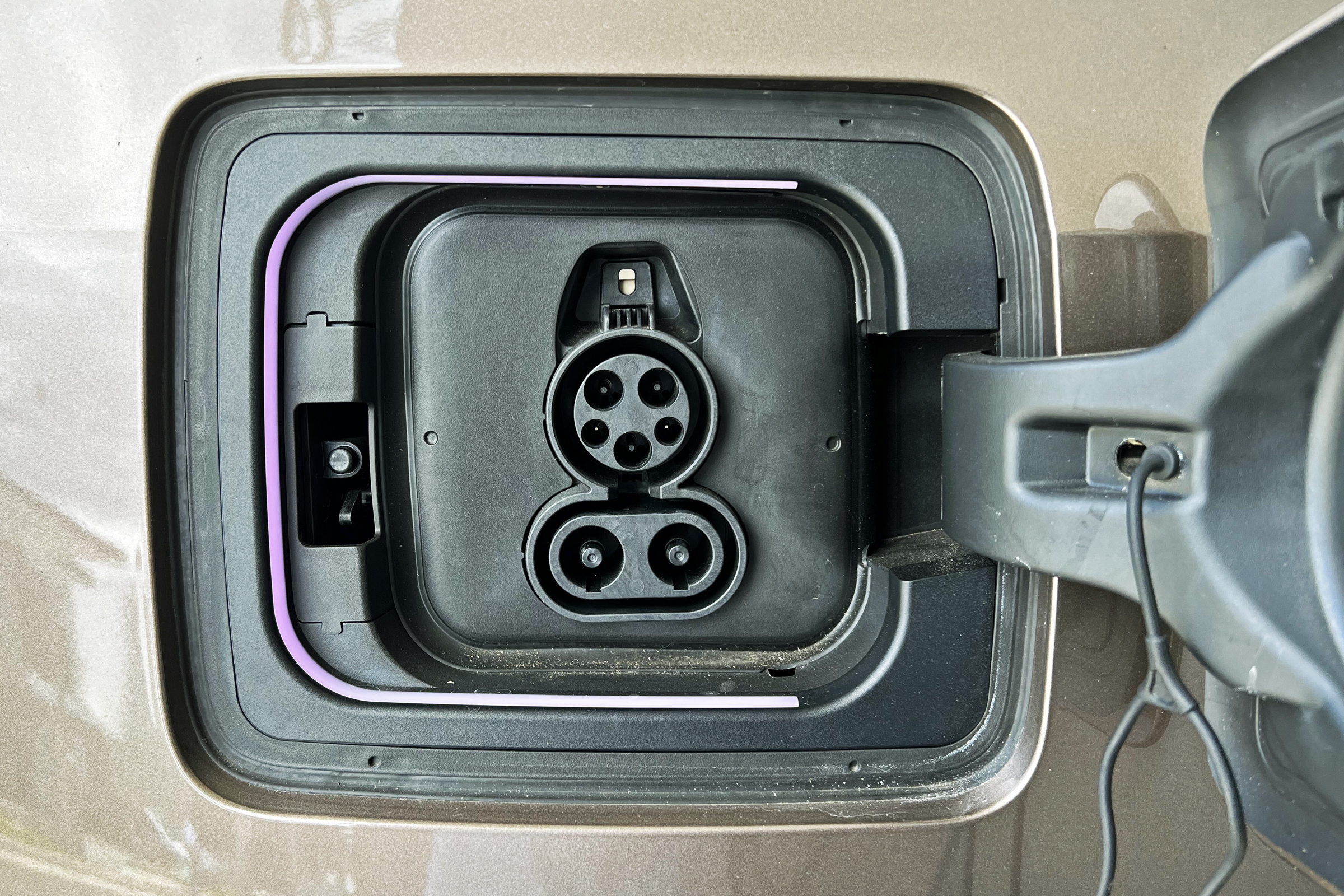
That approach differs fundamentally from every charging method on the road today. Even a convenient curbside charger still requires a parked vehicle and a plugged-in cable. In-motion charging removes both requirements entirely, at least in concept.
Why This Stays A Test, Not A Product, Through 2027
Embedding charging coils into road surfaces is expensive infrastructure work, not a vehicle feature. Honda’s own target, reported this week, covers testing specifically, not any public rollout. A single test corridor likely costs far more per mile than a comparable stretch of standard roadway.
Vehicle-side hardware also needs real-world validation before scaling. A receiver that works reliably at test-track speeds under controlled conditions still needs proof at highway speeds in real traffic and weather. That validation gap separates a lab demo from a usable product.
Technician’s Note: Treat any 2027 testing timeline as evidence the technology works in principle, not evidence it is close to public roads. Infrastructure-dependent EV technology historically takes years longer to scale than vehicle-side features.
What Problem This Actually Solves
In-motion charging targets range anxiety and charging downtime directly, rather than working around them. A highway corridor equipped with charging coils could theoretically keep a vehicle topped up indefinitely during a long trip. That changes the entire calculus around battery size and charging stops.
Smaller batteries become more viable if a vehicle can top up continuously on equipped roads. That tradeoff could eventually lower vehicle cost and weight, though only on routes with the infrastructure actually installed.
Common Questions About Honda’s Wireless Charging Tests
Will wireless in-motion charging be available on public roads by 2027?
No. Honda’s 2027 target covers testing specifically, not a public rollout. Embedding charging infrastructure into road surfaces is expensive, and any broader deployment would follow years after successful testing concludes.
Does in-motion charging replace the need for a home or public charger?
Not initially. Any early deployment would cover limited test corridors, not a vehicle’s full driving range. A car would still rely on standard charging methods everywhere outside an equipped stretch of road.
Could in-motion charging eventually allow smaller EV batteries?
Theoretically, yes, on routes with the infrastructure installed. A vehicle that charges continuously while driving needs less onboard storage for that specific route, though this benefit depends entirely on how widely such roads get built.