


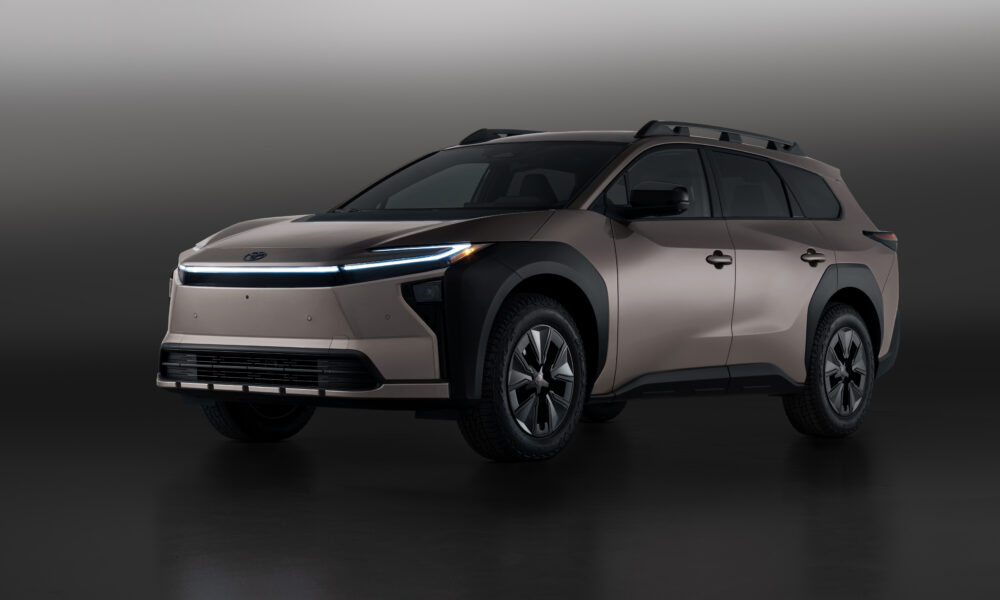
Toyota doesn’t usually build cars that feel genuinely different from their siblings, but the bZ Woodland does. This Toyota bZ Woodland review covers a longer, off-road-tuned wagon version of the bZ crossover, co-developed with Subaru’s Trailseeker, that starts at $46,750 including destination and sells only as dual-motor all-wheel drive.
Specs: what $46,750 actually buys
- 74.7 kWh battery, EPA-estimated range up to 281 miles (260 miles with the no-cost all-terrain tires)
- 375 hp, dual-motor AWD, 0-60 mph in a claimed 4.4 seconds
- 150 kW peak DC fast charging, 10-80% in about 30 minutes, via NACS port
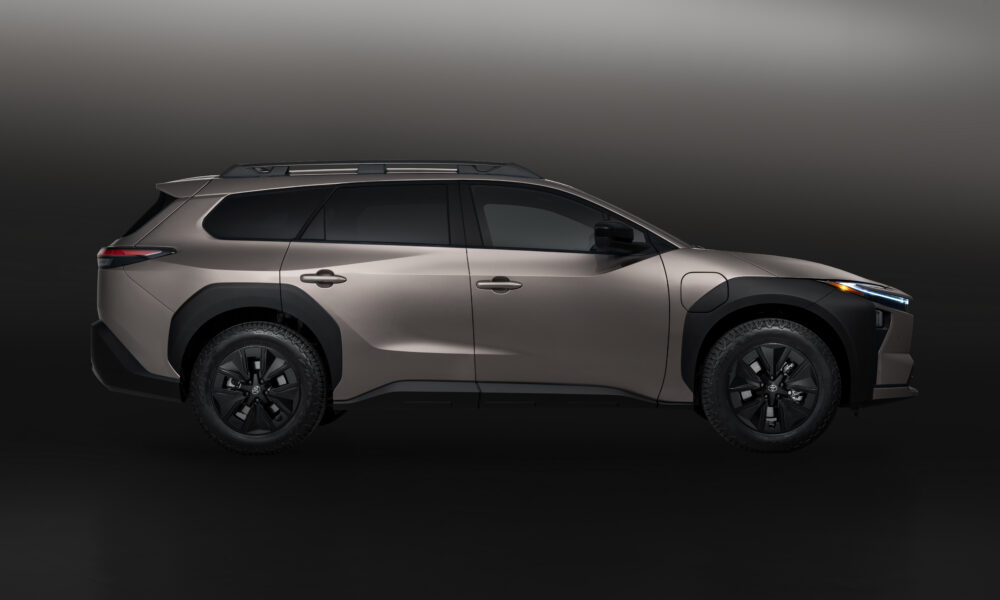
- 8.4 inches of ground clearance and 74.9 cubic feet of cargo space with seats folded — about 8 cubic feet more than the standard bZ
What it does well
Acceleration feels stronger than most family crossovers need, which pays off for confident highway passing. Off-road, it handled rutted dirt roads comfortably and climbed a steep, off-camber slope using X-Mode without drama. The cargo hold is generous and well-proportioned for a wagon body, the 14-inch touchscreen is responsive and easy to navigate, and the digital gauge cluster sits back near the windshield, functioning almost like a head-up display.
Where it falls short
There’s no frunk and no glovebox, which is an odd omission at this price. More seriously, the software feels a generation behind rivals like GM, Hyundai, Tesla, and Rivian: there’s no built-in route planner for charging stops, no one-tap way to find a charger, and Apple Maps/CarPlay navigation doesn’t automatically precondition the battery before a fast-charging stop — a feature that’s becoming table stakes elsewhere. At 260-281 miles, range is respectable but below the 300-mile mark many buyers now expect, and the 150 kW charging peak trails 800-volt competitors.
Verdict
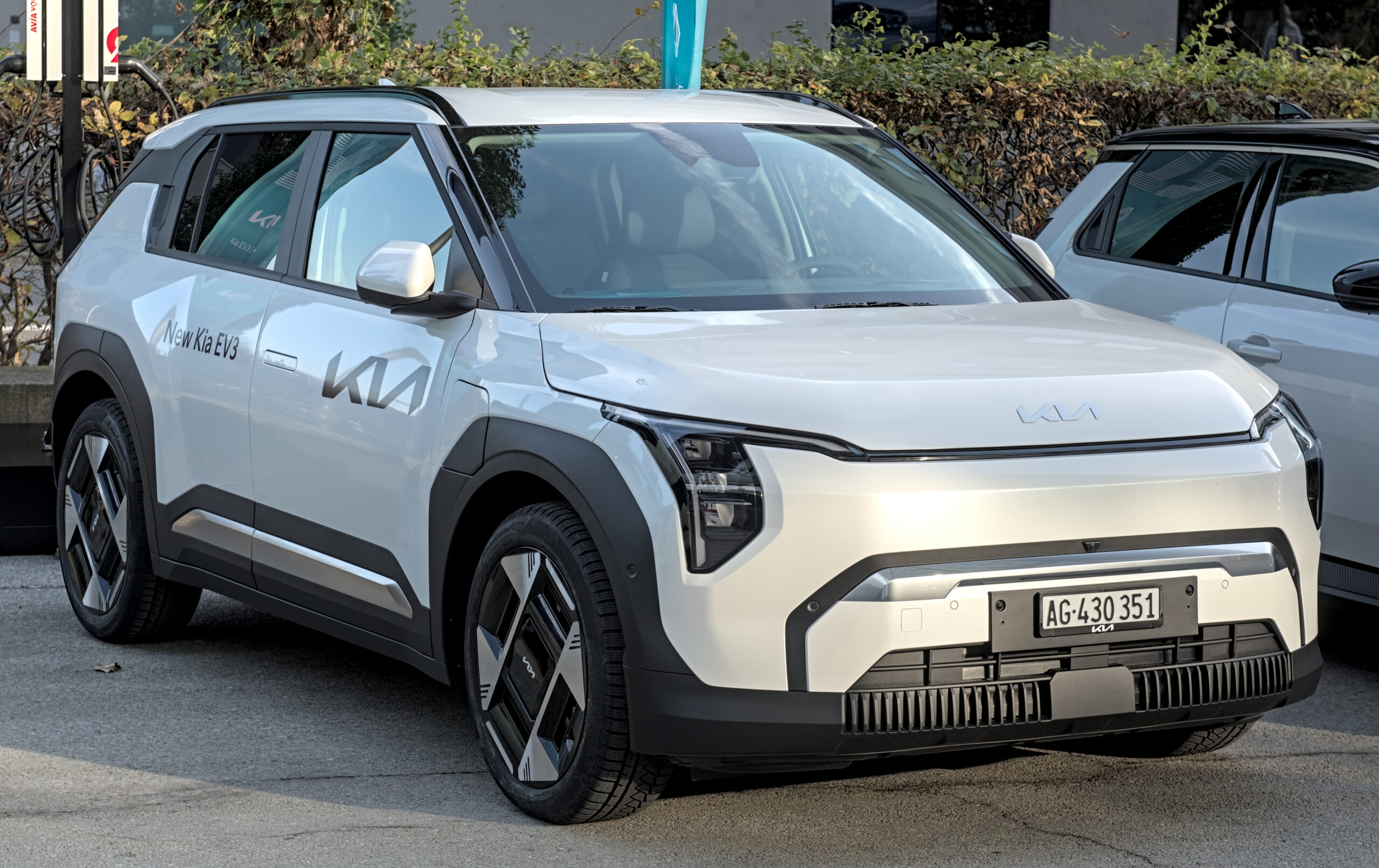
Toyota needs to close the software gap, but the Woodland’s wagon shape, rugged styling, and genuine off-pavement ability set it apart from crossover rivals like the Tesla Model Y, Hyundai Ioniq 5, and Ford Mustang Mach-E. If you want an EV that can actually do something different from the pack, this is one of the few that does. Sales start in March. Compare it against the Kia EV3 if off-road ability matters less than price, or the BMW iX3 if you want more charging speed in a conventional crossover shape. Drive impressions and specs verified against InsideEVs’ full review.