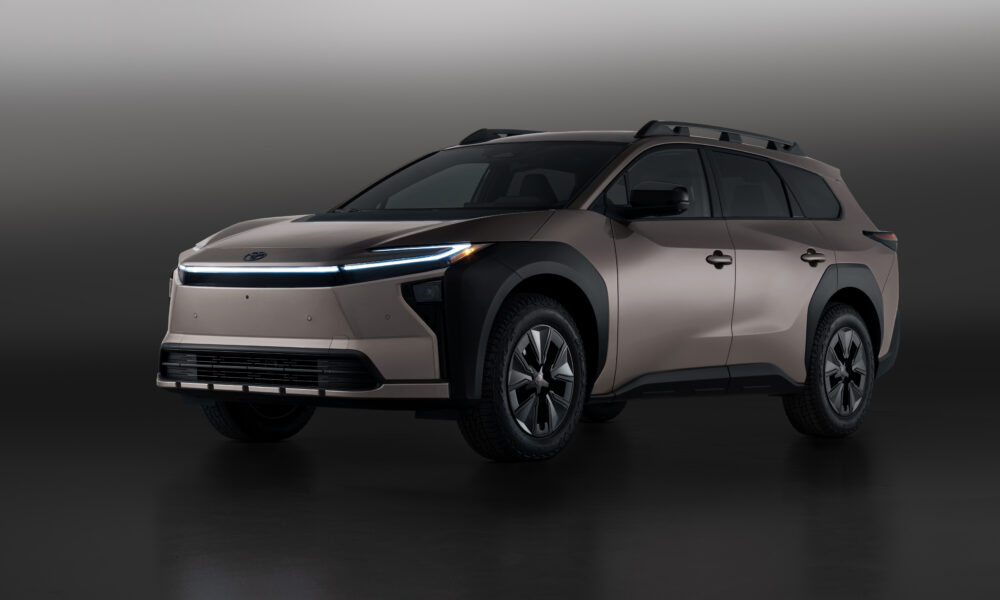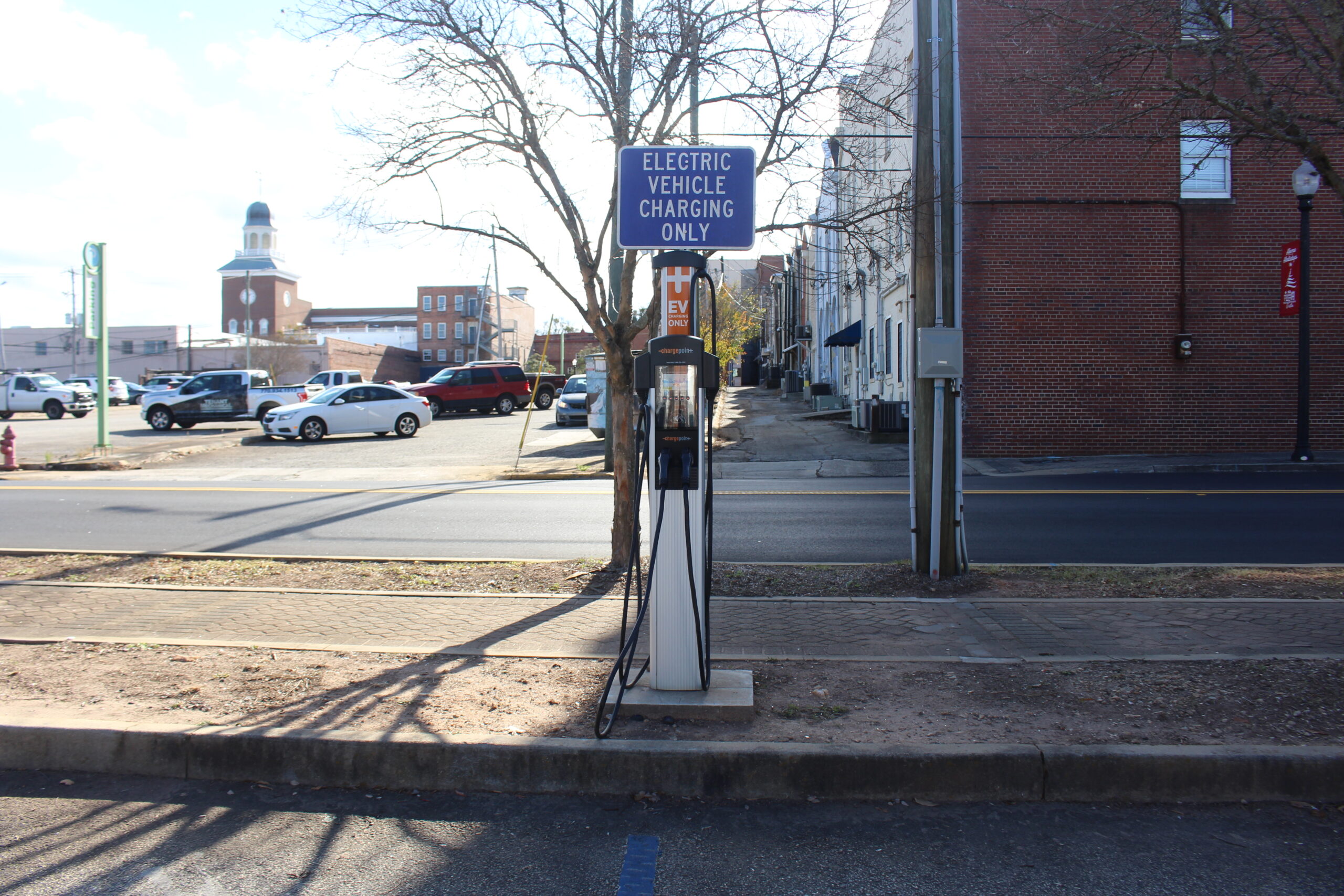



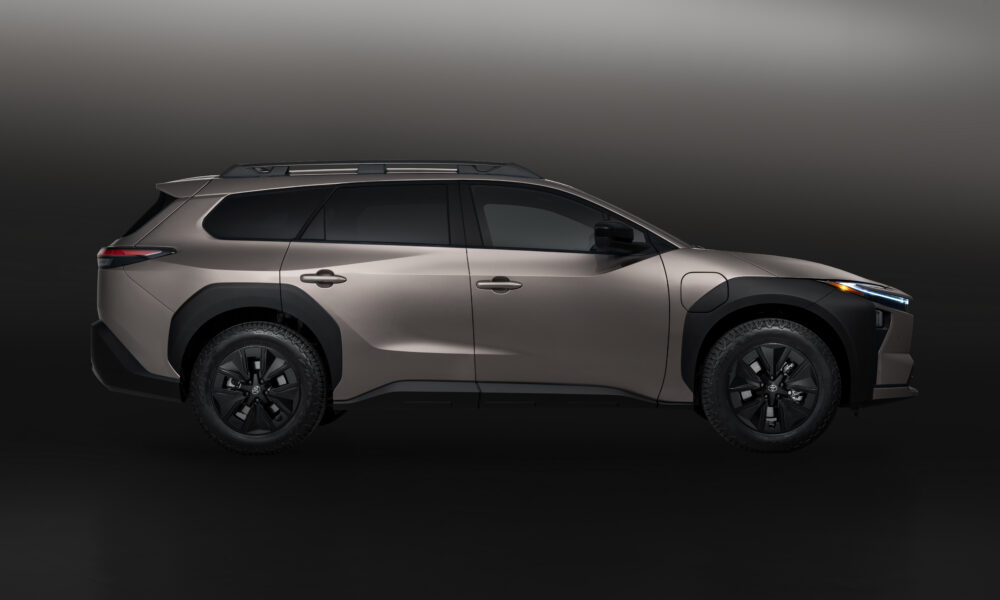
Solid-state batteries have been “a few years away” for most of the last decade, but Toyota is now putting a firmer date on it: around 2027, with a claimed breakthrough on the durability problem that has repeatedly delayed solid-state EV batteries industry-wide. Toyota’s roadmap projects up to 745 miles of range — a 20% jump over its own next-gen liquid battery — and a 10% to 80% charge time under 10 minutes, roughly four times faster than most EVs charge today.
Why durability was the real blocker
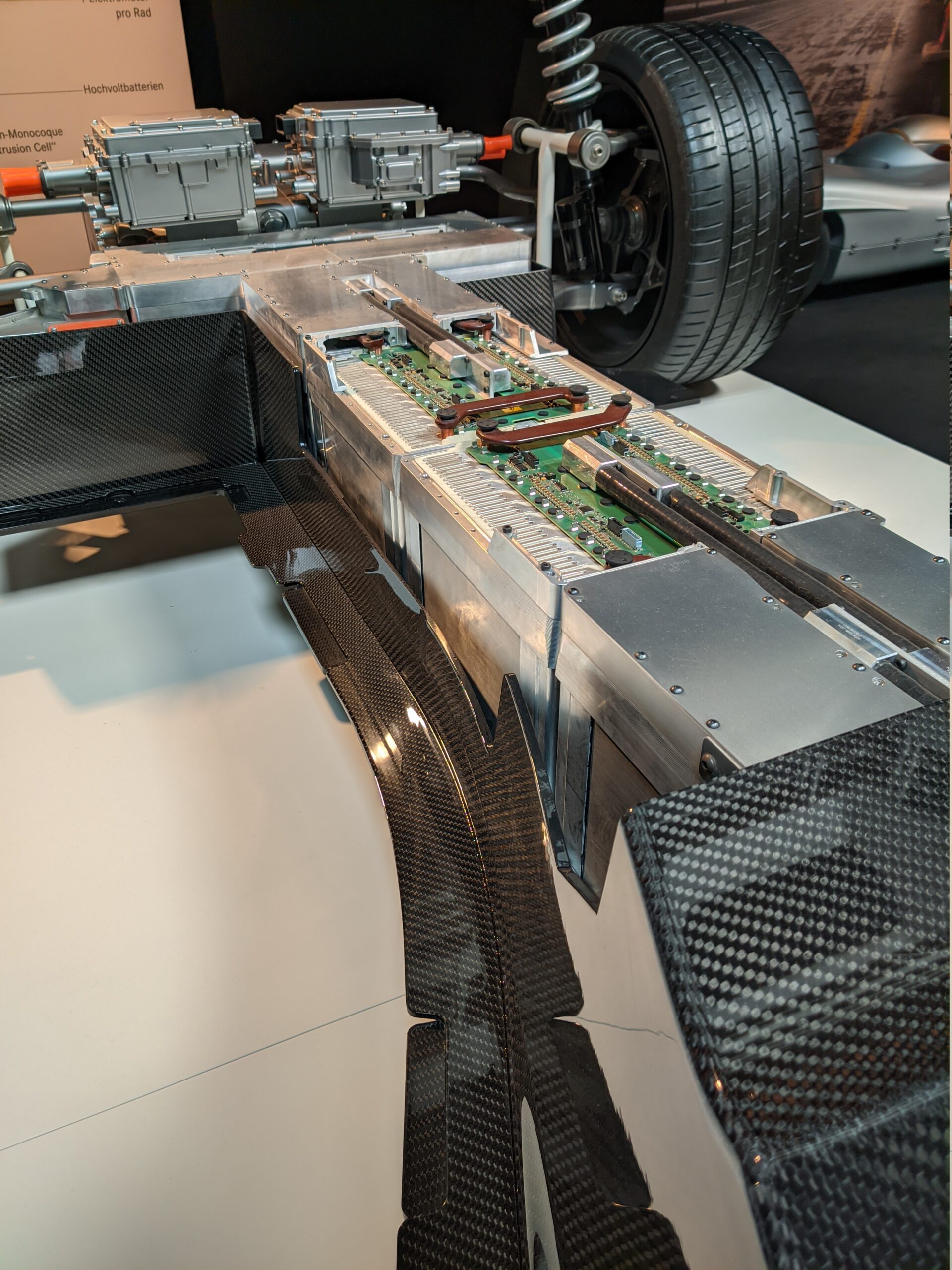
Solid-state batteries replace a liquid electrolyte with a solid one, which in theory allows higher energy density and faster charging without the fire risk of liquid lithium-ion cells. In practice, the solid electrolyte has struggled to survive repeated charge cycles without cracking or losing contact with the electrodes — a durability problem that’s kept the technology in labs and limited pilot programs far longer than early optimistic timelines suggested. Toyota’s claim is specifically about solving that durability issue, not just building a working solid-state cell, which is the harder and more commercially relevant milestone.
Hybrids first, EVs second
Toyota’s rollout plan is deliberately staged: solid-state cells go into the company’s hybrid fleet first, then move to full EVs once the technology has proven itself at scale in a lower-stakes application. Hybrids use smaller battery packs and don’t depend on the battery for all propulsion, making them a safer place to validate new cell technology before betting an entire EV lineup on it.
A higher-specification version is reportedly also in development, targeting up to 932 miles of range — though that figure sits further out on the roadmap and carries more uncertainty than the 745-mile number.
What’s realistic to expect
Every major automaker working on solid-state technology — Toyota included, in its earlier roadmaps — has pushed timelines back before. “Around 2027” for the hybrid rollout likely means full EV availability lands later still, given the staged plan. The more useful signal here isn’t the date itself, but that Toyota is now citing a specific technical fix (durability) rather than a generic “still working on it” update, which is usually a sign a program has moved from research into pre-production engineering.
If the 745-mile, sub-10-minute numbers hold up in production form, solid-state would close most of the remaining gap between EV charging and a gas-station fill-up — but that’s still a 2027-and-later story, not a near-term one.