

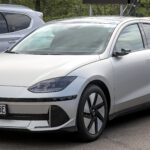
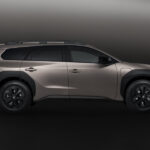

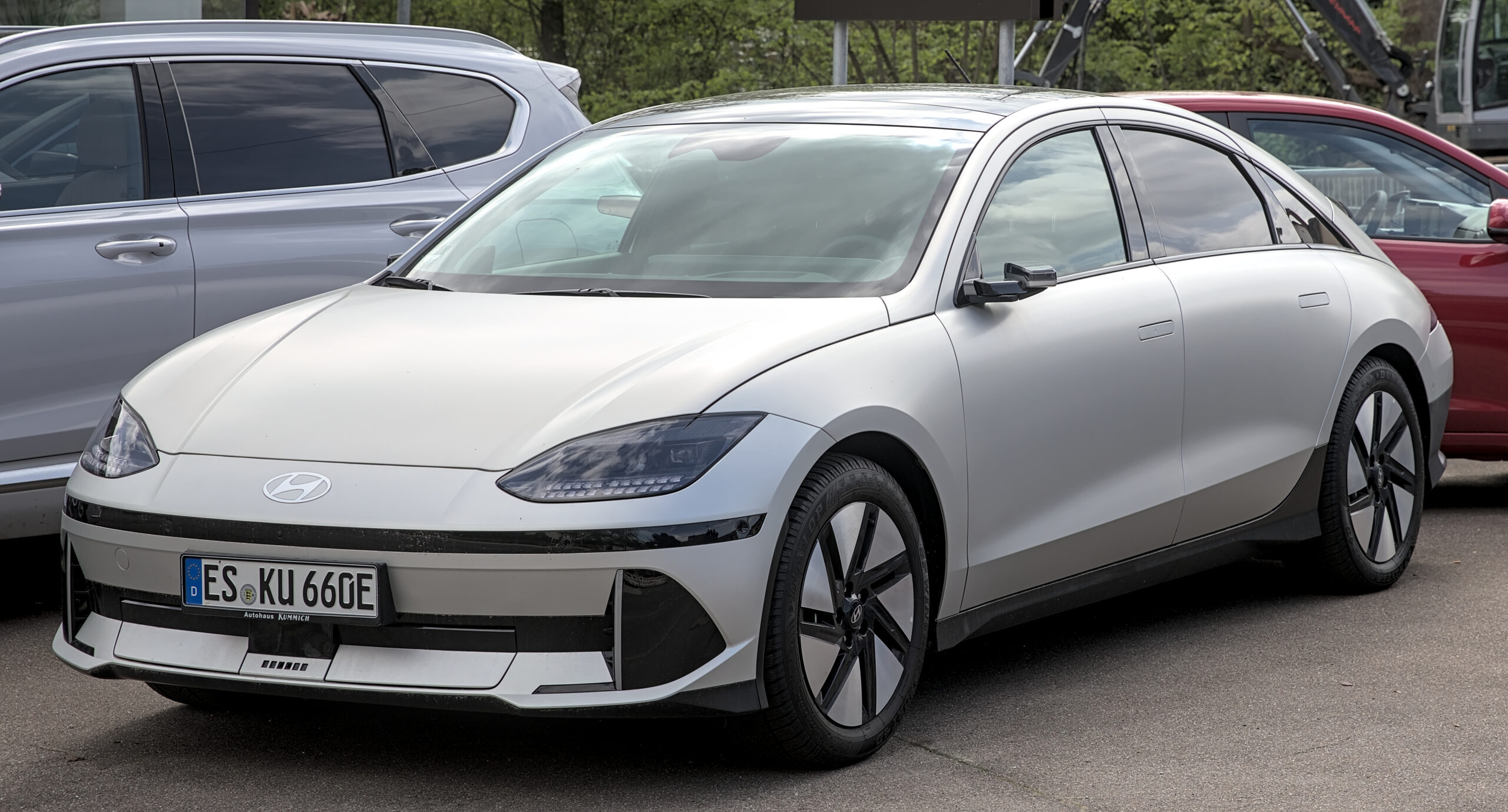
The 2026 Hyundai Ioniq 9 starts at $60,555 for the base S trim, which also happens to be the longest-range version in the lineup at 335 miles — an unusual setup where the cheapest trim isn’t the shortest-range one. At the top, the Performance Calligraphy Design runs $78,090. That’s a wide spread for one body style, and the gap is less about range than about what Hyundai is willing to bundle at each price point.
First impressions: a three-row EV that doesn’t feel like an afterthought
Three-row electric SUVs have mostly felt like gas SUVs with a battery bolted underneath, but the Ioniq 9 is built on Hyundai’s dedicated E-GMP electric platform — the same architecture underpinning the Ioniq 5 and Ioniq 6 — rather than a shared gas/electric chassis. That shows up most in cabin packaging: the flat floor and shorter front overhang that come with a dedicated EV platform free up legroom in all three rows in a way that body-on-frame or converted platforms generally can’t match.
Where the $60,555 S trim actually lands
The base S trim’s headline number is its range: 335 miles is near the top of what any three-row EV currently offers in the US, gas-adjacent or not. That’s the trim’s strongest selling point, and it’s a genuinely competitive figure rather than a marketing rounding trick. Where the base trim pulls back is predictably in creature comforts — the kind of heated-seat, premium-audio, and driver-assist feature packages that get reserved for upper trims across nearly every automaker’s lineup, not something unique to Hyundai.
What $78,090 buys at the top
The Performance Calligraphy Design trim trades some of that range ceiling for Hyundai’s top interior treatment and the brand’s performance-oriented dual-motor setup. At nearly $18,000 over the base price, it’s firmly competing with established three-row luxury SUVs rather than mainstream family haulers — buyers cross-shopping at this price point are looking at the Kia EV9 GT-Line and premium gas-powered three-rows just as much as other EVs.
The real question: which trim is the actual value play
For most buyers, the smartest money in the Ioniq 9 lineup probably isn’t either end — it’s whichever mid-tier trim keeps the 335-mile range figure (or close to it) while adding back the comfort features that make a three-row family SUV livable on long trips. Hyundai’s historical trim strategy on the Ioniq 5 and 6 suggests a well-equipped middle trim usually ends up the volume seller, and there’s no obvious reason the Ioniq 9 breaks that pattern.
How it stacks up against its closest rival
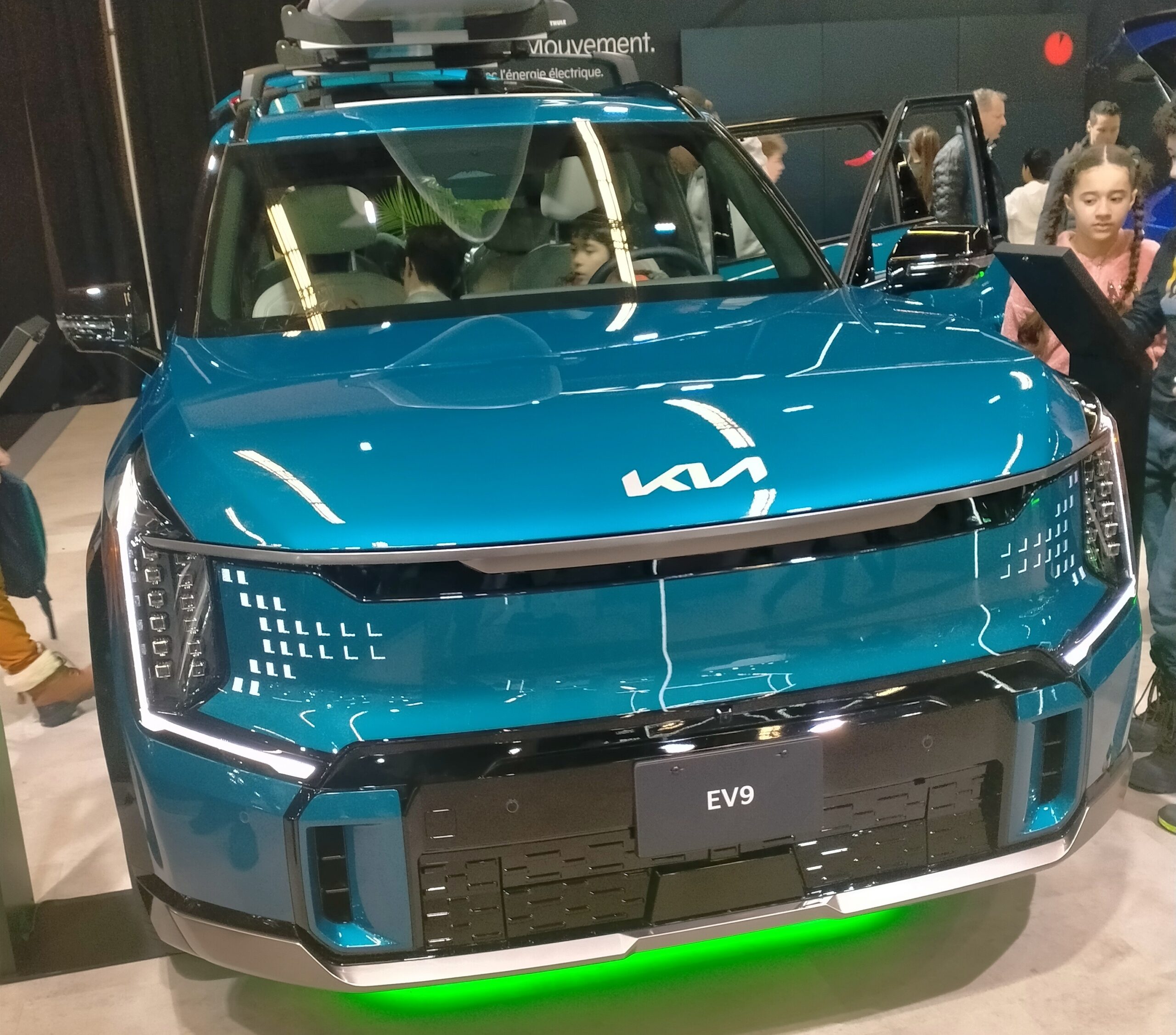
The Ioniq 9’s most direct competitor is Hyundai’s own sibling brand: the Kia EV9, which shares platform DNA and a similar three-row mission. The two aren’t identical twins — pricing, range figures, and styling all diverge enough to matter, which is worth its own side-by-side look rather than a footnote here.
FAQ
Does the Ioniq 9 qualify for any federal tax credit?
The federal EV tax credit expired in 2026, so the Ioniq 9’s pricing above reflects no federal incentive. Check for state-level EV rebates, which vary significantly by location.
Is the base S trim’s 335-mile range verified or just an estimate?
335 miles is Hyundai’s own EPA-estimated figure for the S trim; real-world range will vary with speed, temperature, and cargo load, as with any EV.
Why does the base trim have more range than some pricier trims?
Upper trims often add weight (bigger wheels, dual-motor AWD, more features), which reduces efficiency and range even as price climbs — a common tradeoff across the EV market, not unique to Hyundai.