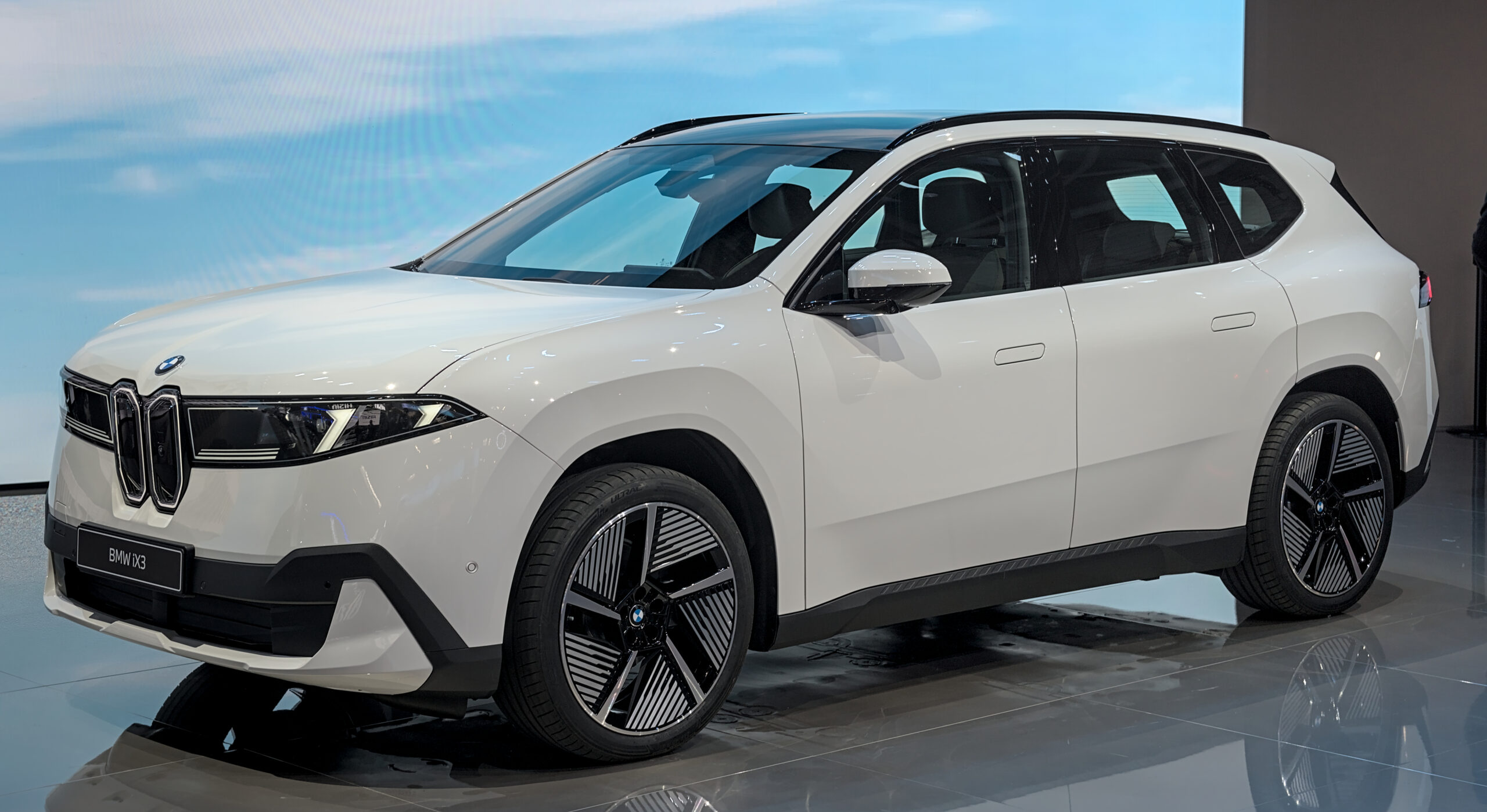
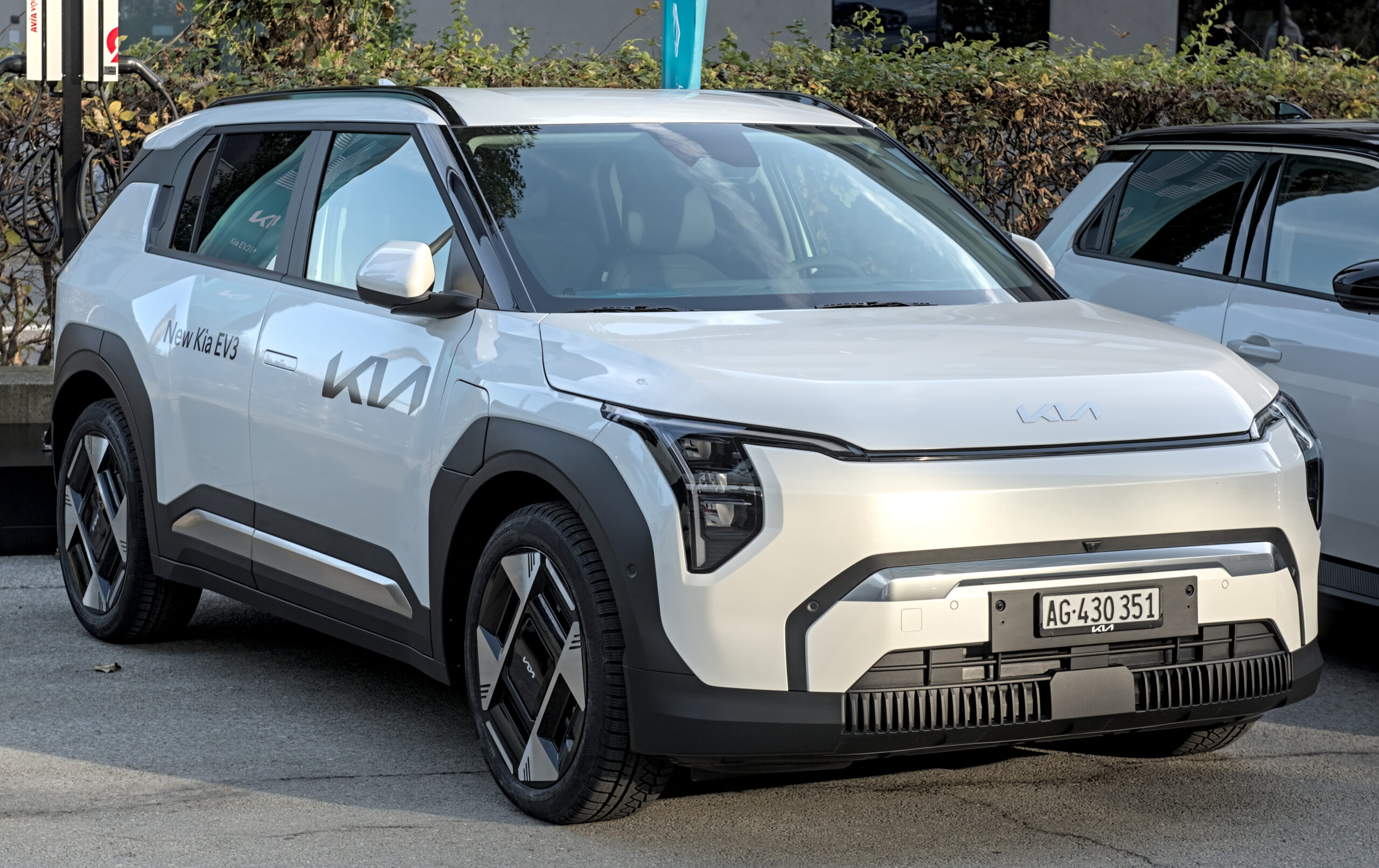
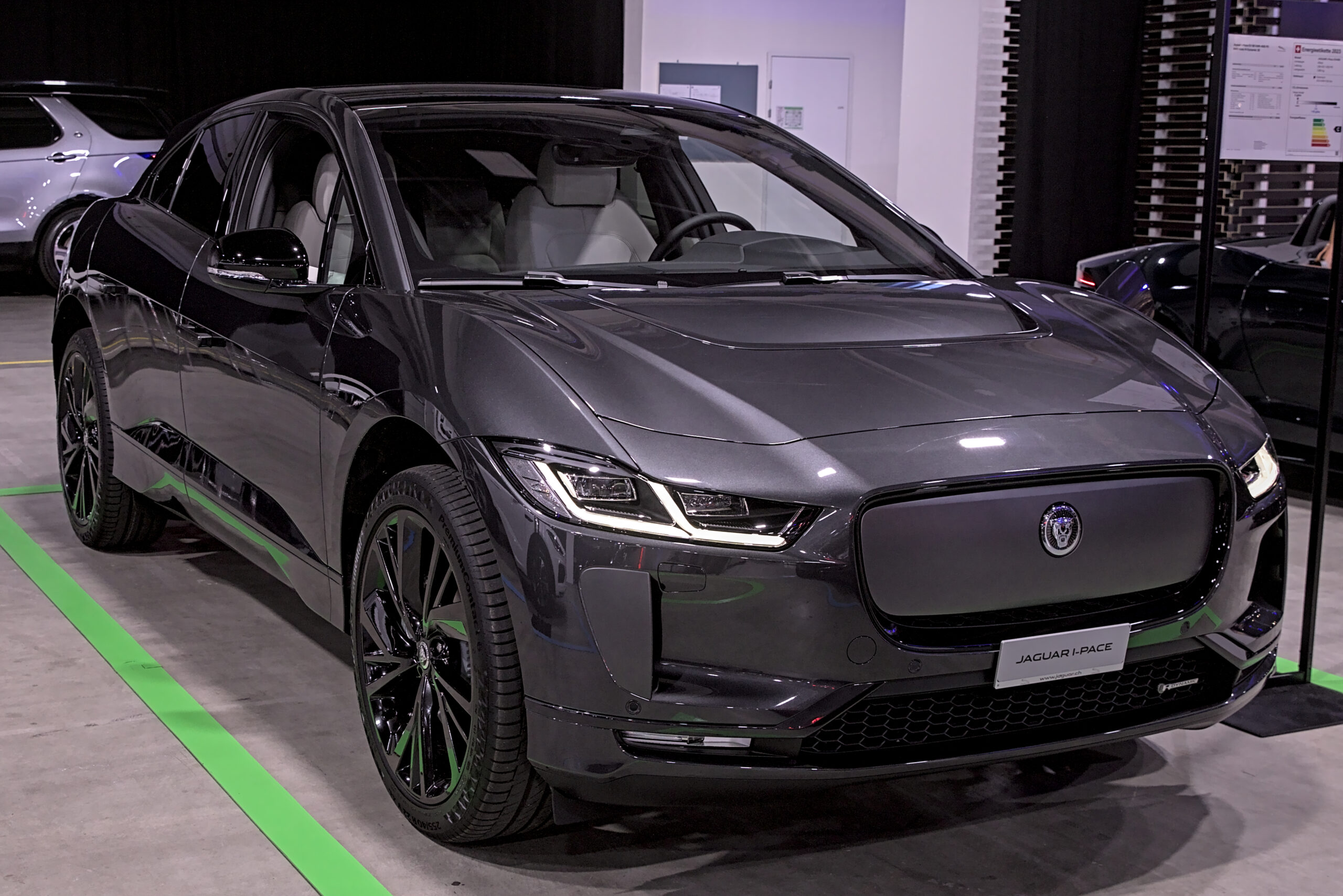
October’s EV incentives split into two distinct types. A Genesis GV60 offers a flat $5,000 cash-back deal. A Kia EV6 instead leases at $369 a month. Those two structures are not directly comparable on price alone, and shoppers treating them as interchangeable often leave real savings on the table.
Table of Contents
How Each Incentive Type Actually Works
Cash-back reduces the purchase price of a vehicle a buyer keeps permanently. A $5,000 cash-back offer on a Genesis GV60 lowers the loan amount directly. The buyer owns the car outright once the loan is paid off.
A lease deal works differently at a structural level. October’s lease incentives reflect a monthly payment tied to depreciation, not full ownership. The buyer returns the vehicle at lease end, or buys it out separately.
When Cash-Back Actually Saves More
A buyer planning to keep a vehicle long term benefits more from cash-back typically. Ownership avoids mileage limits and lease-end wear charges entirely. Long-term cost per year often favors ownership once a vehicle passes the typical lease term.
Cash-back also works independent of a vehicle’s residual value projection. A lease’s monthly payment depends heavily on how well a manufacturer expects the vehicle to hold value. A pessimistic residual estimate can make a lease look worse than it should.
Technician’s Note: Calculate total cost over the exact same time period before comparing a lease and a cash-back purchase directly. A three-year lease total versus three years of loan payments gives a fairer apples-to-apples number.
When A Lease Actually Wins Instead
A buyer planning to switch vehicles every few years benefits more from leasing. Avoiding resale hassle and unpredictable depreciation has real value for that specific buyer. Monthly payments on a lease also tend to run lower than an equivalent purchase loan.
EVs specifically carry real depreciation uncertainty right now, given fast-moving technology and range improvements. A lease shifts that specific risk onto the manufacturer rather than the buyer. That risk transfer has genuine value even if the raw numbers look similar.
The Real Comparison Method
Calculate a cash-back purchase’s total cost over the exact lease term being compared. Include financing interest, insurance, and estimated resale value at that same point. Only then does a true apples-to-apples number emerge from two genuinely different structures.
Common Questions About Cash-Back Versus Lease EV Deals
Is a cash-back deal always a better value than a lease offer?
Not always. It depends on how long a buyer plans to keep the vehicle and how much the specific model is expected to depreciate. A short ownership window often favors leasing instead, despite cash-back sounding like the bigger discount.
Can a buyer negotiate a cash-back offer on top of a separate lease deal?
Rarely on the same vehicle. Manufacturers typically structure cash-back and lease incentives as separate, mutually exclusive offers. Checking the specific terms for a given model confirms whether any combination is actually allowed.
Does EV depreciation uncertainty make leasing the safer default choice?
Often, but not universally. Leasing shifts depreciation risk to the manufacturer, which has real value given fast-changing EV technology. A buyer confident in a specific model’s resale strength may still find ownership the better long-term value.