EVgo Superchargers built by Tesla are coming under a deal confirmed October 1, 2026. Tesla will build Supercharger hardware that EVgo then owns and brands. That arrangement differs sharply from Tesla simply opening its own network to outside drivers. EVgo keeps the pricing, the app, and the session revenue. Tesla just supplies the equipment. That distinction matters more than the headline suggests for drivers choosing where to plug in.
Table of Contents
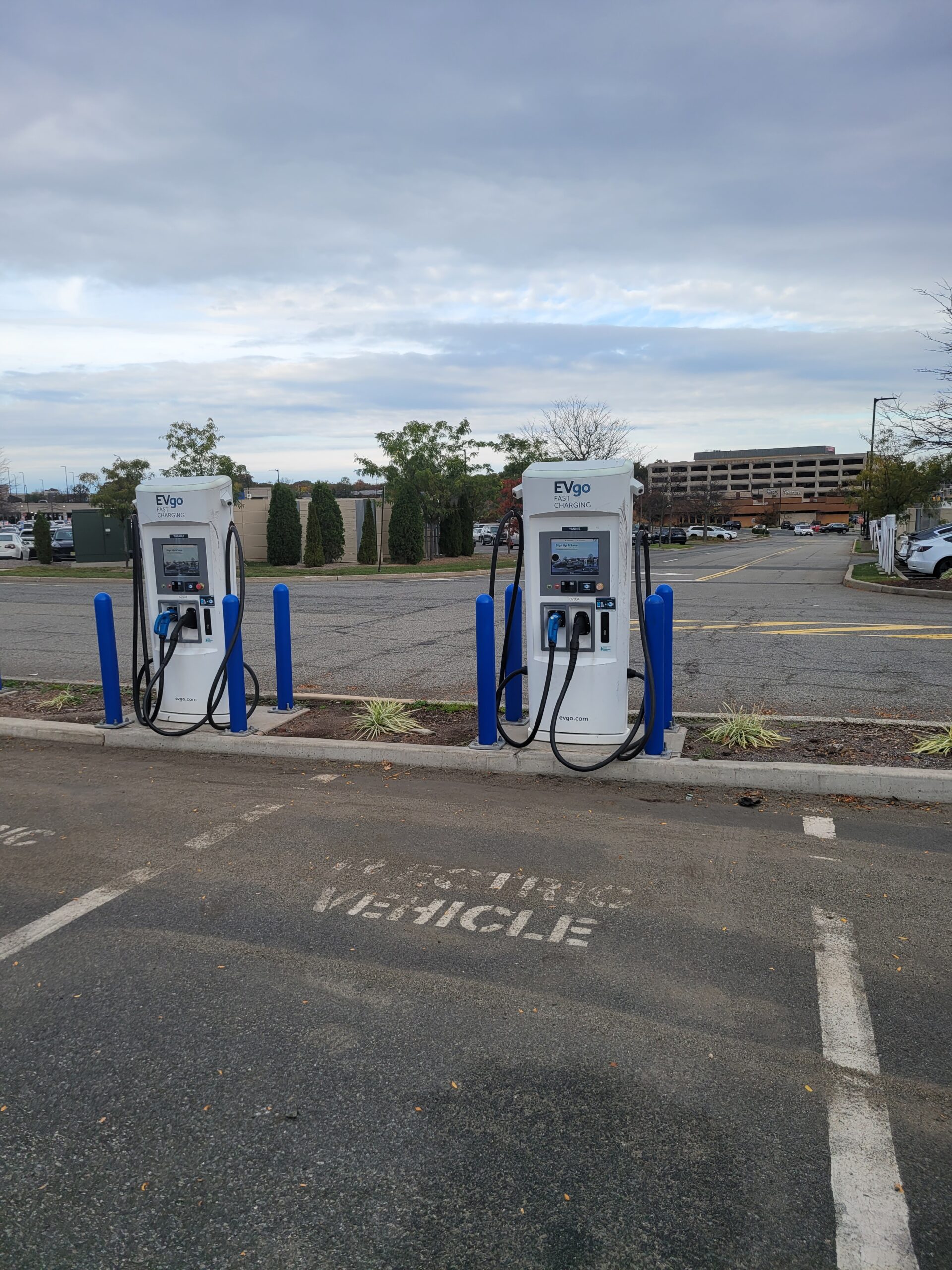
What EVgo Actually Announced
EVgo CEO Badar Khan outlined the deal at an investor conference on October 1, 2026. Lytham Partners hosted the event discussing EVgo’s broader growth plans. Tesla builds and sells the Supercharger hardware under the new agreement.
EVgo owns each finished station once construction wraps up. EVgo brands the stations and collects all session revenue directly. Tesla’s involvement ends at equipment supply and physical installation work.
That structure differs from Tesla simply operating its own branded stations. Tesla has built, owned, and run Superchargers itself since 2012. This EVgo deal instead makes Tesla a hardware supplier to a competitor.
How EVgo Superchargers Differ From Tesla’s Own
Tesla already lets most non-Tesla EVs plug into its own Superchargers. That access runs through Tesla’s own pricing structure and mobile app. The EVgo deal works differently at a structural level entirely.
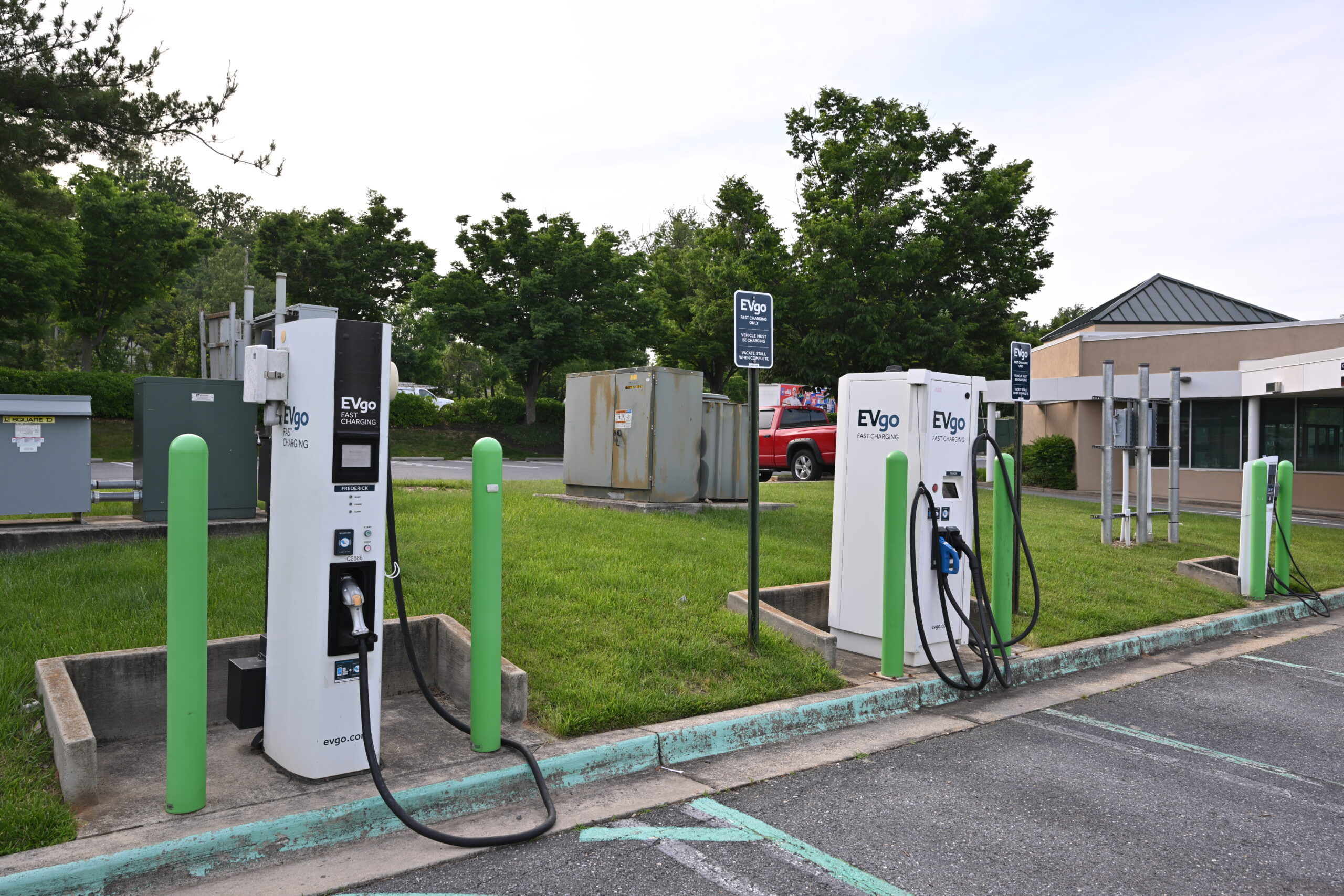
EVgo sets its own rates at these specific new stations. EVgo’s existing membership tiers and loyalty perks apply there too. A driver sees an EVgo-branded stop, not a Tesla one.
The physical hardware inside carries Tesla’s engineering and manufacturing standards. Everything a driver actually interacts with still belongs to EVgo. That split between hardware and brand is the real news here.
Tesla open-sourced its NACS connector design back in 2022. That decision let competitors build compatible hardware without licensing fees. The EVgo partnership extends that openness into direct hardware supply.
What This Means For EVgo’s Broader Network
EVgo already operates more than 5,000 charging stalls nationwide today. Roughly 500 of those are gaining NACS cables by year end. EVgo aims to equip every site built since 2023 with NACS.
That retrofit plan covers close to two-thirds of EVgo’s current locations. The new Tesla-built stalls add fresh capacity on top of that work. EVgo has set a target of 17,000 stalls by 2030.
Other charging networks may pursue similar hardware deals going forward. A manufacturer-as-supplier model could become common across the industry.
Technician’s Note: Check which specific EVgo stalls carry NACS cables before arriving. A station’s general network membership does not guarantee a native plug matches a given vehicle’s port today.
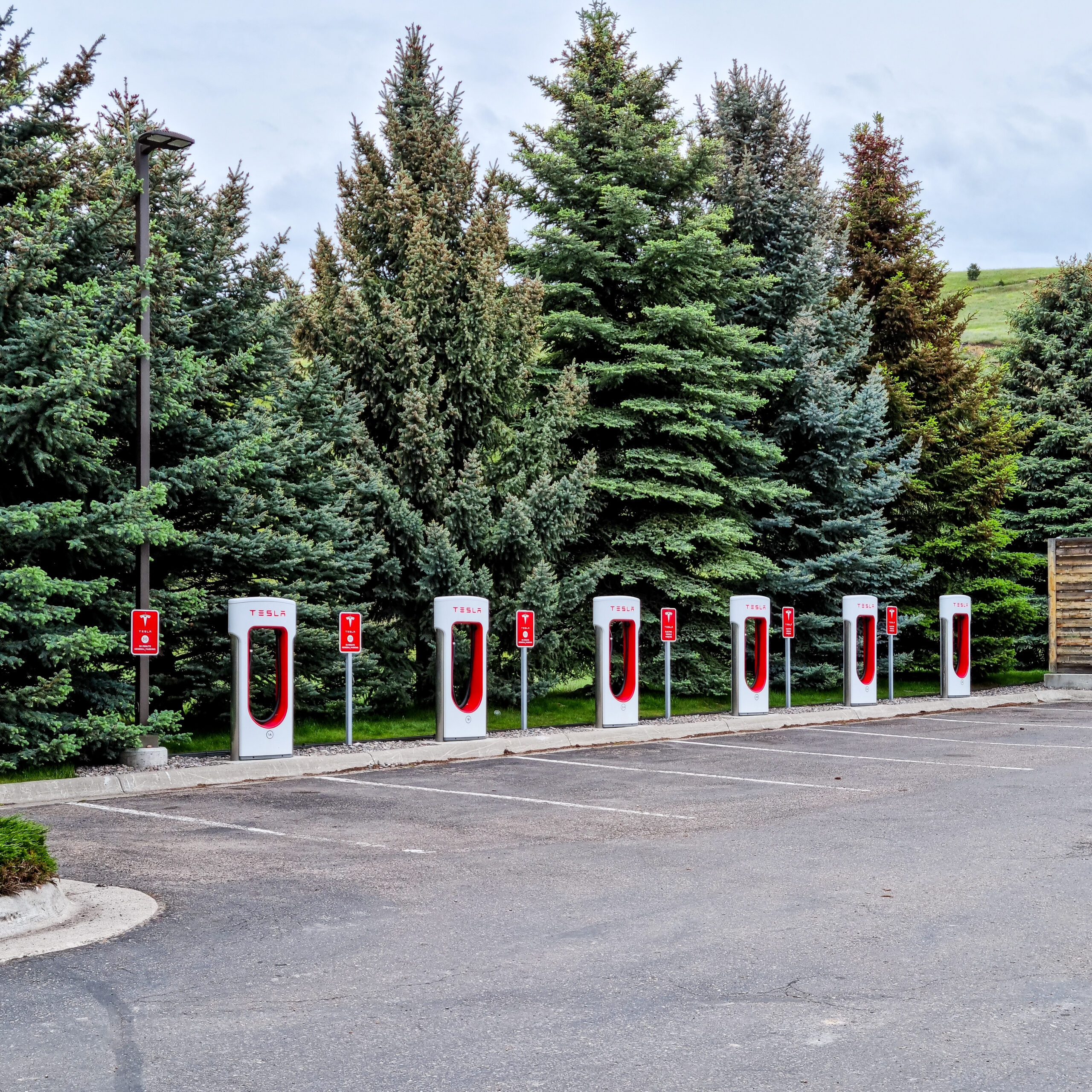
What Actually Changes At The Plug
Reliability now depends partly on Tesla-grade hardware inside an EVgo station. EVgo reported roughly 20% utilization across its network in a recent quarter. That figure ran close to five times the industry average EVgo cited.
Pricing, membership perks, and the app experience still stay EVgo’s own. Hardware quality and charging speed may shift toward Tesla’s build standard over time. Nothing about the account, the rates, or the rewards program changes yet.
The badge on the cabinet decides the rules, not who built it. That distinction will matter more as similar hardware-supply deals likely follow elsewhere.
Common Questions About The EVgo-Tesla Charging Deal
Does this deal mean Tesla now owns more Supercharger stations nationwide?
No. Tesla builds and sells the hardware under this agreement. EVgo owns the finished stations once installed. Tesla’s own posted Supercharger count, including October’s 85,000-stall milestone, does not include these EVgo-owned sites.
Will EVgo-owned, Tesla-built stalls use Tesla’s pricing and app?
No. EVgo keeps its own pricing, membership programs, and app at these stations. A driver interacts with EVgo’s system entirely, even though Tesla manufactured and installed the physical charging hardware.
Does the deal apply to EVgo’s entire existing network immediately?
No. EVgo is retrofitting roughly 500 of its over 5,000 stalls with NACS cables by year end. The broader Tesla-built hardware rollout expands EVgo’s network gradually, not through an instant network-wide swap.