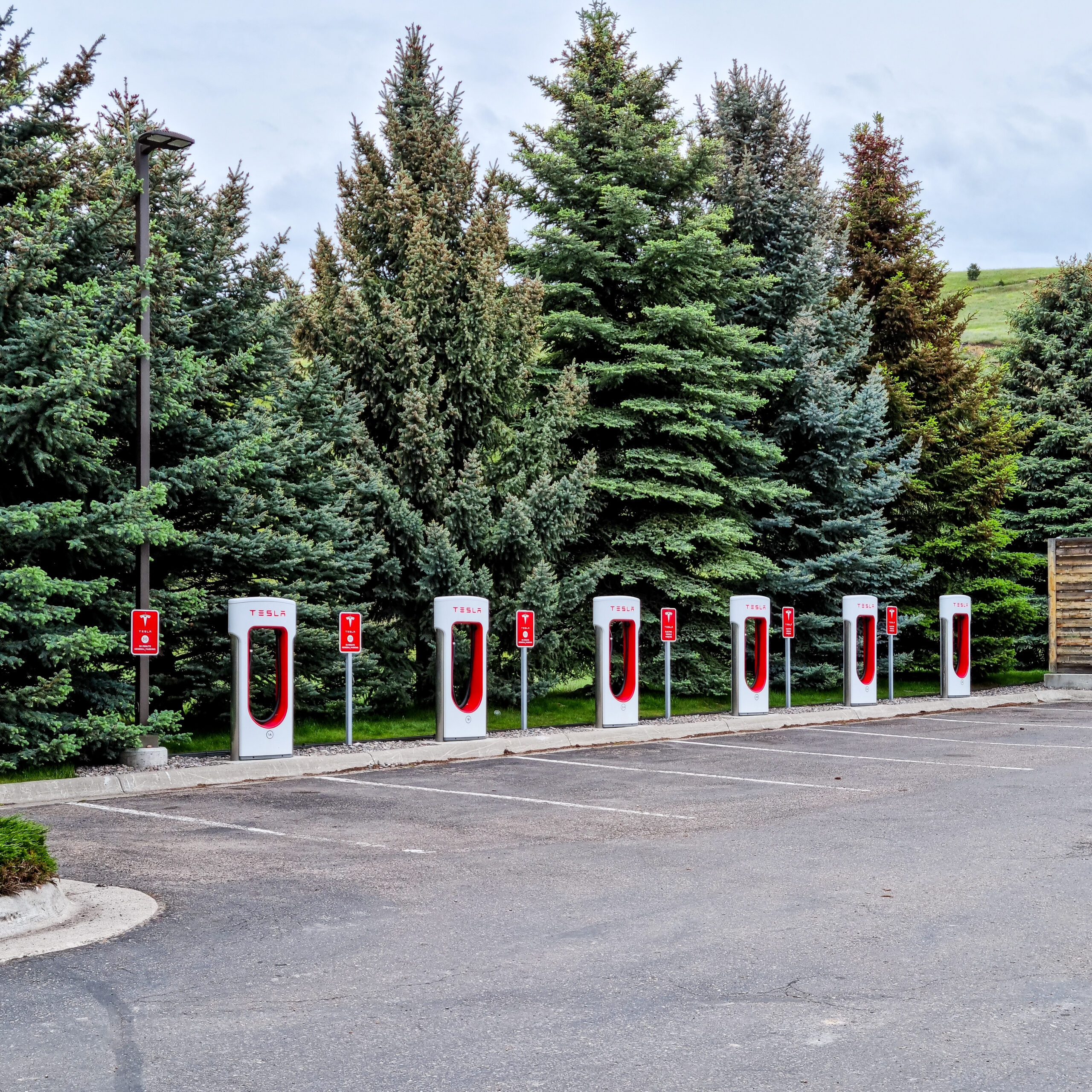
Tesla’s Supercharger network crossed 85,000 stalls on October 2, 2026. The company confirmed over 9,000 active sites nationwide. That number sounds abstract on its own. The real shift sits in geography, not headlines. Fast-charging coverage has thickened enough to change how EV owners plan long trips. Finding a working stall now resembles finding gas, not hunting one rare plug. That density reshapes the math behind range anxiety heading into a fall road trip.
What 85,000 Stalls Actually Replaced
Tesla operated roughly 38,000 DC fast-charging ports across the US by mid-2026. That figure came from the Department of Energy’s own tracking data. It already equaled close to half the country’s total fast-charging port count. October’s milestone pushes well past that earlier snapshot.
The jump matters beyond Tesla-branded vehicles alone. Most new EVs now ship with a native NACS port. Stellantis, GM, and Hyundai all adopted the standard through 2026. A bigger Supercharger footprint now serves nearly the entire new-vehicle market, not one single brand.
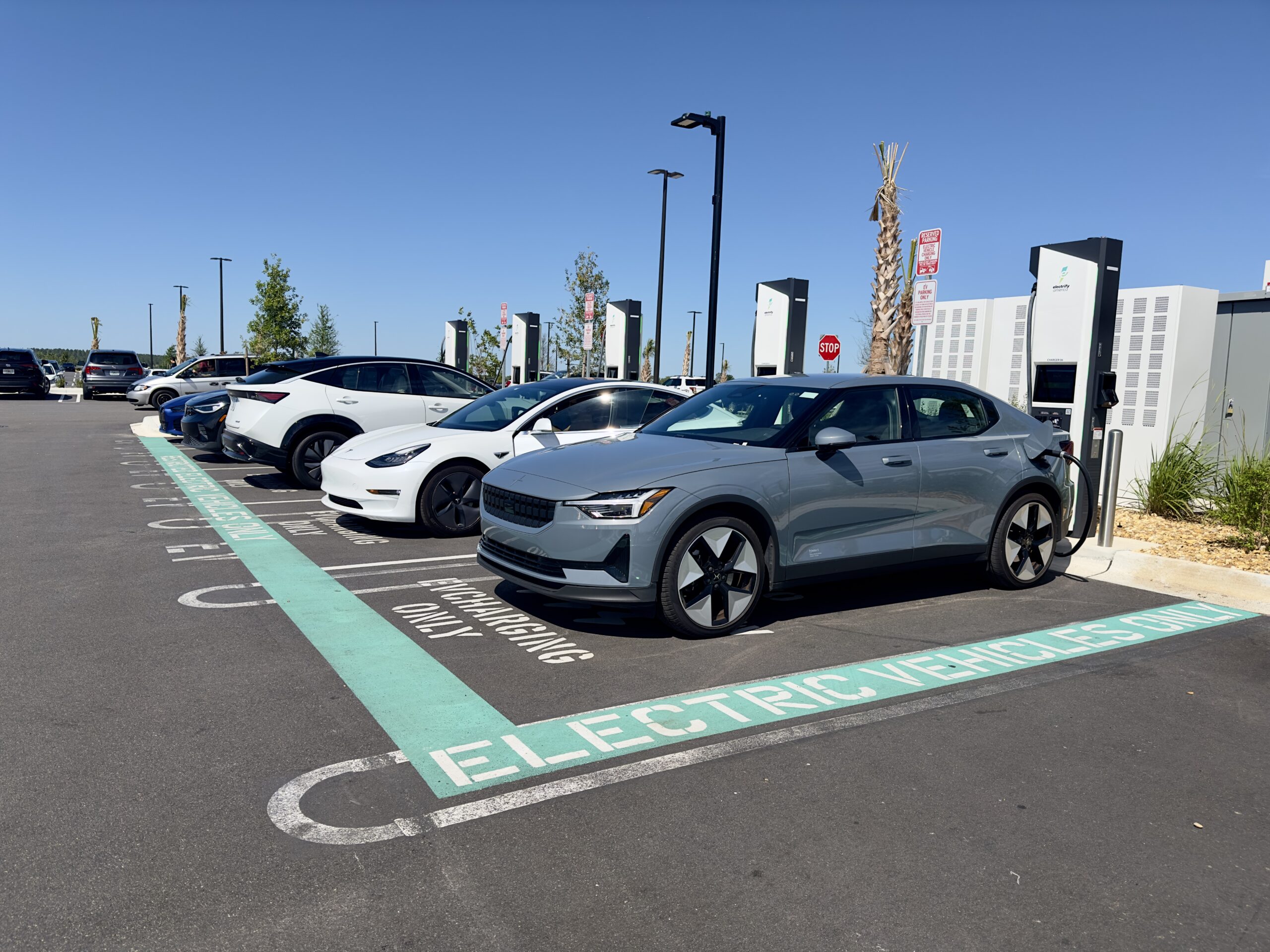
Electrify America and ChargePoint still run large competing networks. Both continue adding NACS cables alongside existing CCS plugs. Rivian’s own Adventure Network also kept expanding its DC footprint through the year. None of these rivals match Tesla’s scale yet.
The Energy Department’s Alternative Fuels Data Center also tracks slower Level 2 ports separately. Those numbered close to 180,000 nationwide by mid-2026. DC fast stalls remain the smaller, faster-growing slice of that total.
Why Site Density Beats Raw Stall Count
Nine thousand sites divided into 85,000 stalls averages roughly nine plugs per location. That ratio matters more than the headline total. A single-stall station creates a real bottleneck during peak travel hours.
Multi-stall sites spread demand across several cabinets at once. A driver arriving to a full lot still finds an open plug nearby. That redundancy barely existed at older, single-cabinet locations built a decade ago.
Technician’s Note: Check live stall occupancy inside the vehicle’s own navigation app. A static network map misses real-time outages. That habit catches a closed stall before arrival, not after.
Where Coverage Still Runs Thin
Supercharger growth concentrates heavily on interstate corridors and metro areas. Secondary highways and rural routes still show real gaps. Coverage varies by region, so checking a route map before departure still matters.
Tesla’s own site count does not guarantee stall speed either. Older V2 and V3 cabinets still mix into the network. Newer V4 hardware charges faster but is not everywhere yet.
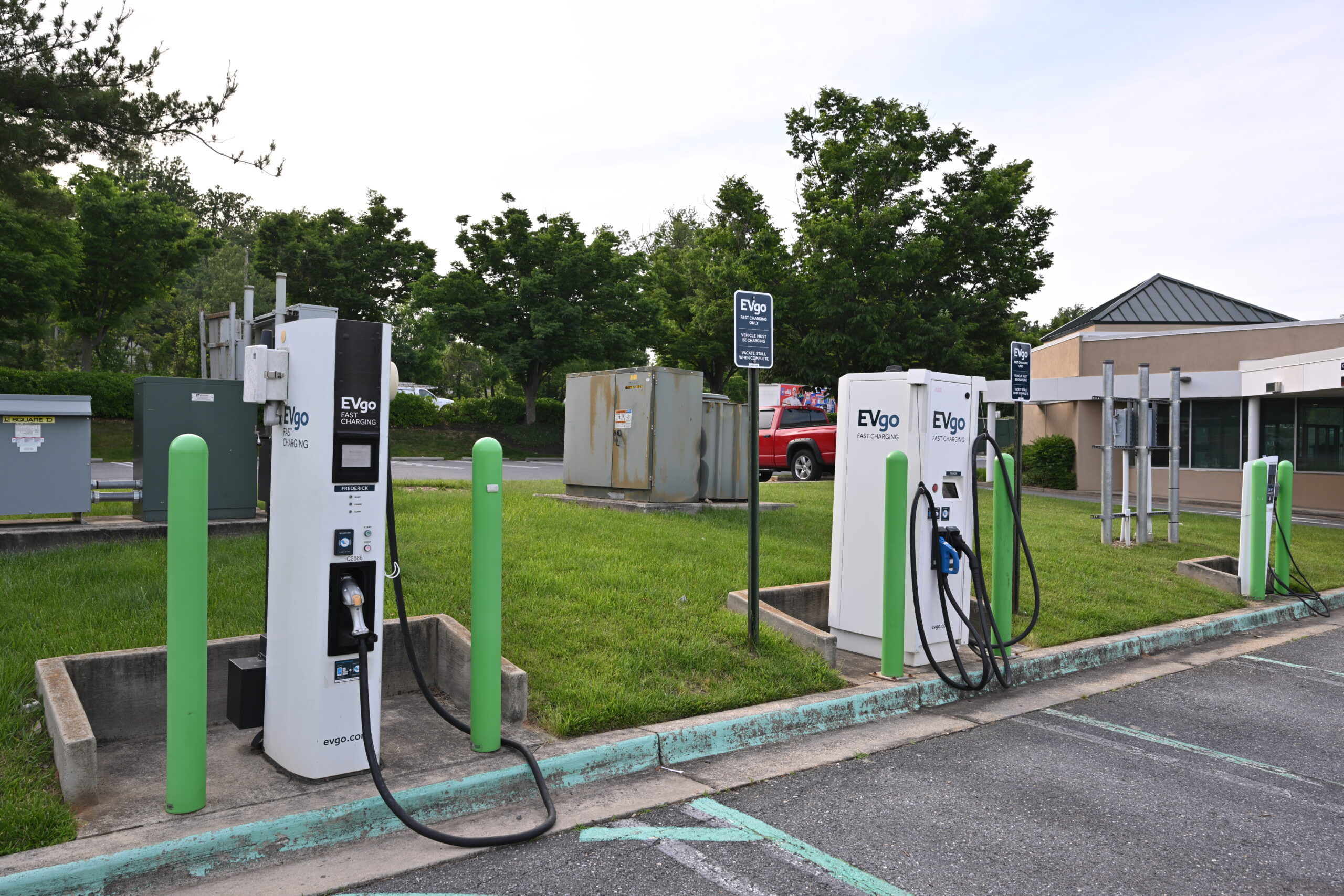
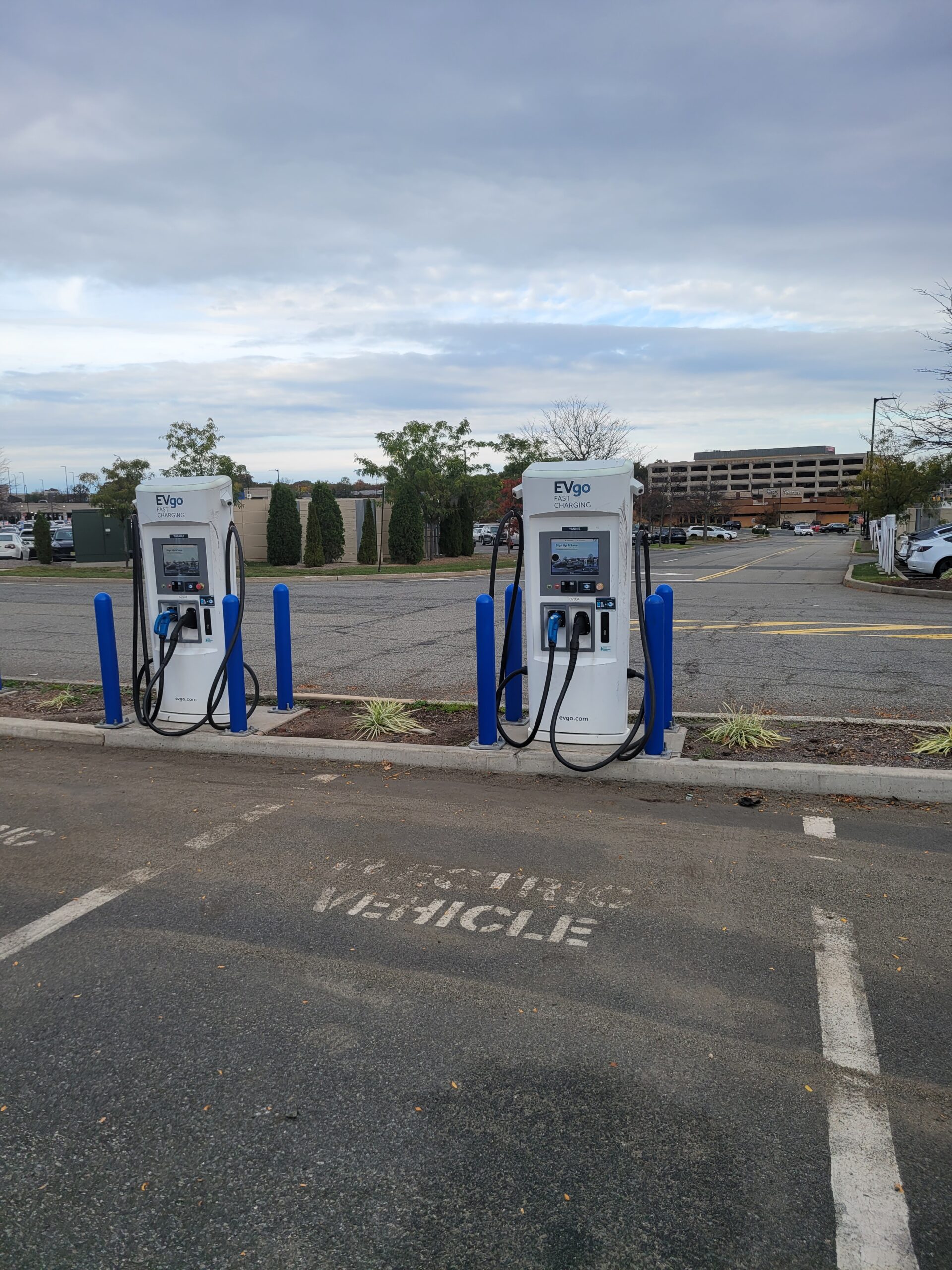
A separate October announcement adds another wrinkle worth watching. EVgo confirmed a deal where Tesla builds stalls that EVgo owns and brands. Those sites will not count toward Tesla’s own posted totals.
What Changes For Trip Planning Right Now
Redundancy at each site reduces the odds of arriving to a full lot. A driver pulling into a nine-stall site has real backup options. That backup rarely existed at older, single-cabinet locations.
Off-peak arrival still shortens wait times at busy corridor stops. Checking projected arrival charge level in-app avoids unnecessary detours. Small habits like these matter more as the network keeps scaling.
Planning a route around major corridors still beats planning around brand loyalty alone. Density, not badge, now decides how smooth a long trip feels.
Common Questions About Tesla Supercharger Network Growth
Does crossing 85,000 stalls mean every corridor now has reliable fast charging?
No. Growth concentrates on interstate corridors and metro areas. Secondary highways and rural routes still show real gaps. A route map check before departure remains necessary, since national totals do not guarantee coverage on every specific road.
Do the new EVgo-owned, Tesla-built stalls count toward Tesla’s 85,000 figure?
No. Tesla’s October count reflects stalls it operates directly. The EVgo agreement covers separate stations Tesla builds but EVgo owns and brands. Those sites run under EVgo’s own pricing and app, not Tesla’s network total.
Does a bigger Supercharger network guarantee faster charging speeds at every stall?
No. Older V2 and V3 cabinets still operate within the network. Charging speed depends on the specific cabinet generation and a vehicle’s own peak charge rate. Newer V4 hardware charges faster but has not replaced every older stall yet.