


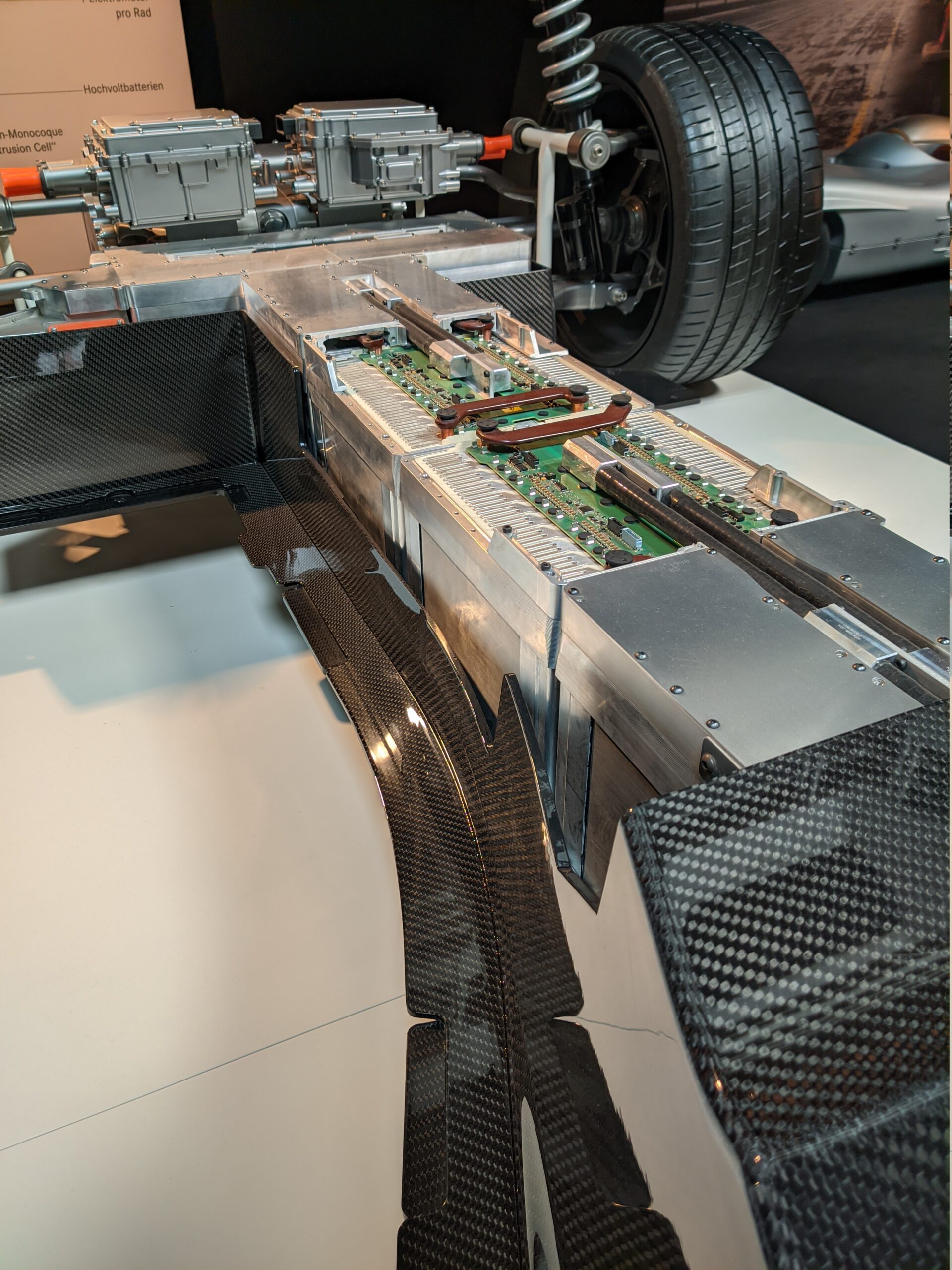
A Stellantis solid-state battery test fleet is coming sooner than most automakers’ roadmaps suggest. Stellantis and battery developer Factorial Energy will put solid-state cells into a demonstration fleet of all-new Dodge Charger Daytona EVs, with real-world testing starting as soon as 2026 — years ahead of when most of the industry expects to sell a solid-state car.
What Stellantis and Factorial actually announced
The two companies will launch a demonstration fleet of Dodge Charger Daytona EVs running on Factorial’s solid-state cells, with validation testing starting as soon as 2026. The Daytona rides on Stellantis’s STLA Large platform, the same underpinnings shared with the Jeep Wagoneer S, Jeep Recon, and Ram 1500 REV — meaning whatever Factorial’s cells prove out in the Daytona could, in theory, carry across that whole platform family later.
Neither company has published range, charging-speed, or weight figures for the test cells. The purpose of this fleet isn’t a product launch — it’s validation: putting real cells through real driving conditions to see whether lab-measured gains (faster charging, lower weight, more energy density, potentially fewer rare-earth minerals) hold up outside a test bench.
Why this matters even though nothing is for sale yet
Solid-state batteries replace a lithium-ion battery’s liquid electrolyte with a solid one, which in theory allows more energy to be packed into the same space, charges faster, and removes some of the fire risk tied to liquid electrolytes. Every major automaker has a solid-state program, but most — including Toyota and Nissan — have talked about production dates in the early 2030s. A live demonstration fleet on public roads by 2026 puts Stellantis meaningfully ahead of that pack, even if a showroom-ready car is still years away.
It’s also a signal about where Stellantis is willing to spend. The company has leaned hard on the Dodge Charger Daytona as its flagship EV performance statement, and using it — rather than a lower-volume Jeep or Ram test mule — as the solid-state guinea pig suggests Stellantis wants this story told loudly, not quietly validated in a lab.
What to actually watch for next
- Whether Stellantis or Factorial release any range or charge-time figures once testing begins
- Whether the validation fleet stays limited to Daytona or expands to STLA Large siblings like the Wagoneer S
- Whether Stellantis commits to a production timeline, which the current announcement explicitly does not do
For now, this is a real road test, not a product. If it succeeds, Stellantis says the STLA Large platform could allow a relatively quick move to production — which would put a solid-state Dodge ahead of rivals who are still years from their own test fleets. For more on how EV charging and battery architecture choices are already playing out in current models, see our coverage of LG Energy Solution’s battery pivot and KBB’s original report on the Factorial partnership.