ChargePoint growth continued this quarter even as US EV sales fell sharply. The charging company reported an 18 percent year-over-year revenue increase, reaching $116 million, in a market where EV sales have roughly halved compared to last year and now represent only about 6 percent of new car sales.
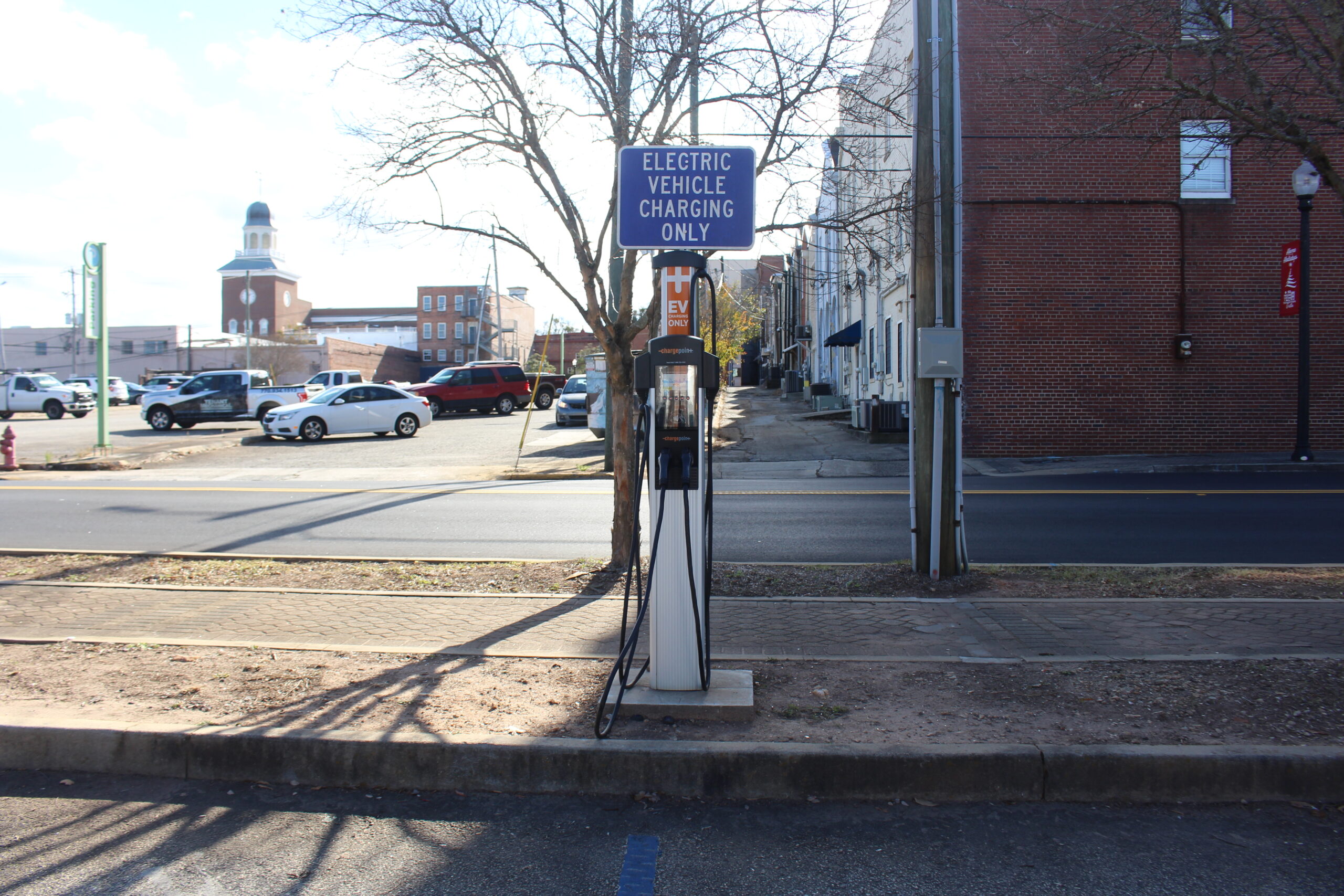
Table of Contents
Why Charging Infrastructure Doesn’t Track Sales In Real Time
Charging demand comes from the existing fleet of EVs already on the road, not just new sales. A growing used-EV market keeps adding drivers who need charging access without showing up in new-vehicle sales figures at all.
ChargePoint executives have specifically emphasized expanding charging networks to serve existing EV owners and the anticipated wave of used-EV buyers, rather than chasing new-sales momentum directly. That’s a fundamentally different growth strategy than one tied to this quarter’s sales numbers.
The Numbers Still Come With Real Caveats
Revenue growth doesn’t mean profitability. ChargePoint posted a net loss of $35.6 million for the quarter alongside that 18 percent revenue gain. The company’s current price-to-sales ratio sits well above its historical median, suggesting the market is pricing in future growth that hasn’t fully materialized in the bottom line yet.
Insider activity also shows a recent sell-off, with over $164,000 in insider sales over the last three months. That’s a relatively small figure in absolute terms, but worth noting alongside otherwise positive headline numbers.
Technician’s Note: Revenue growth and profitability are separate questions for any charging company right now. A network expanding its footprint while still posting losses is making a bet on future utilization, not necessarily demonstrating a sustainable business model today.
What This Pattern Says About The Industry Broadly
ChargePoint isn’t alone in posting charging-side growth during an EV sales downturn. EVgo is simultaneously investing in next-generation 750 kW hardware, and Electrify America recently launched a white-label program to expand its footprint through retail partners. The charging sector broadly seems to be betting on a longer time horizon than this year’s new-vehicle sales chart.
That bet makes sense if EV sales eventually recover, as most industry analysts still expect over a multi-year horizon. It’s a riskier bet if the current slowdown proves more durable than a temporary post-incentive dip.
Common Questions About ChargePoint’s Growth
Is ChargePoint profitable despite its revenue growth?
No. The company posted a net loss of $35.6 million this quarter even as revenue grew 18 percent year over year. Revenue growth and profitability are tracking in different directions right now.
Why would a charging company grow while EV sales are falling?
Charging demand comes from the existing fleet of EVs already on the road and a growing used-EV market, not just new-vehicle sales. ChargePoint specifically targets that existing and used-EV driver base rather than relying on new-sales momentum.
Are other charging networks seeing similar growth right now?
Yes. EVgo is investing in next-generation 750 kW charging hardware, and Electrify America recently launched a retail white-label program, suggesting the broader charging sector is expanding despite the current EV sales slowdown.