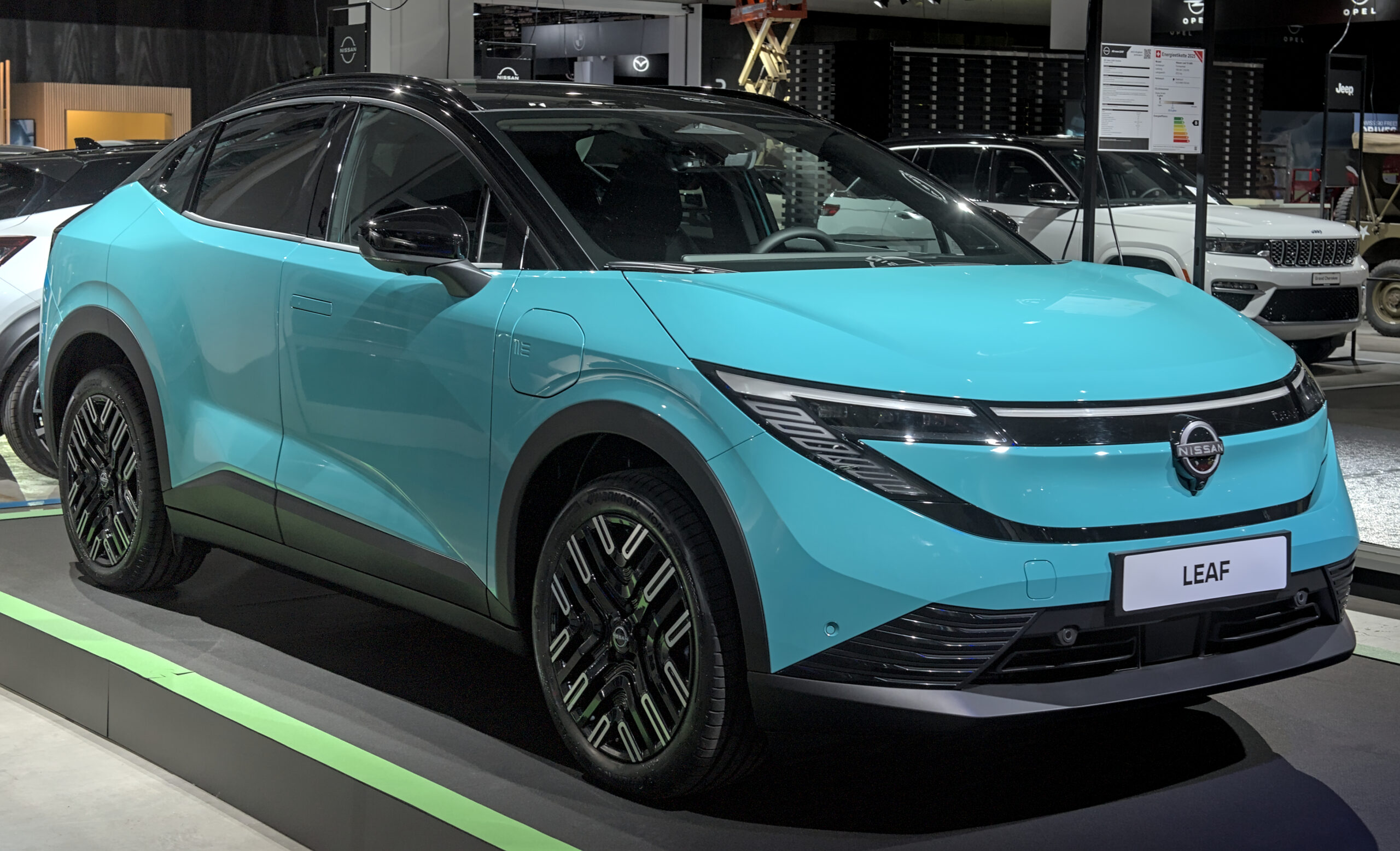




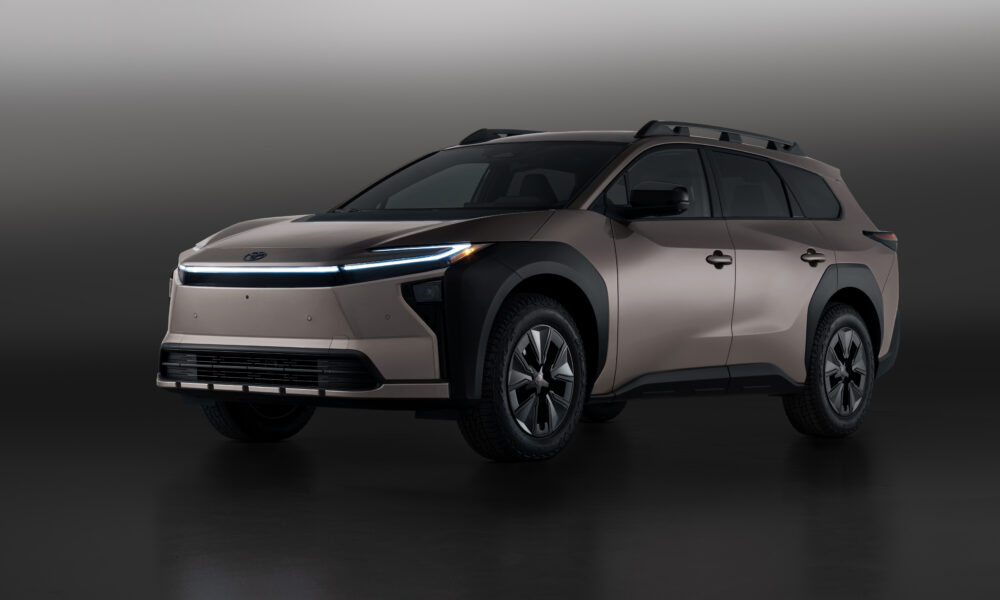
US EV sales Q3 2026 came in at 266,630 units, according to Kelley Blue Book estimates via Cox Automotive — up 7.7% from Q2, but down 38.6% from Q3 2025. That year-over-year drop sounds alarming until you remember what inflated Q3 2025: a rush of buyers beating the federal tax credit’s September 30, 2025 expiration. The real story isn’t decline. It’s who’s gaining and who’s losing now that the credit is gone for good.
Tesla’s share is shrinking, but it’s still the market
Tesla sold 144,094 EVs in Q3, down 19.7% year-over-year, holding 54% of all US EV sales. The Model Y alone accounted for 99,037 of those units — 37.2% of the entire US EV market by itself. The Model 3 added 40,346. Every other Tesla model combined (Cybertruck, Model S, Model X) totaled under 4,700 units.
The real winners: Toyota, Rivian, Lexus, Subaru
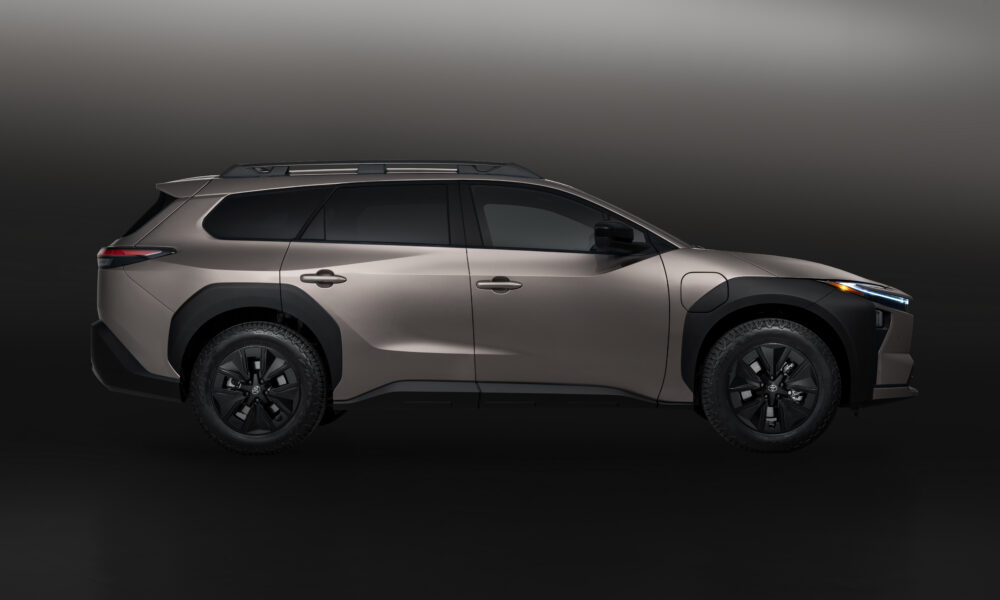
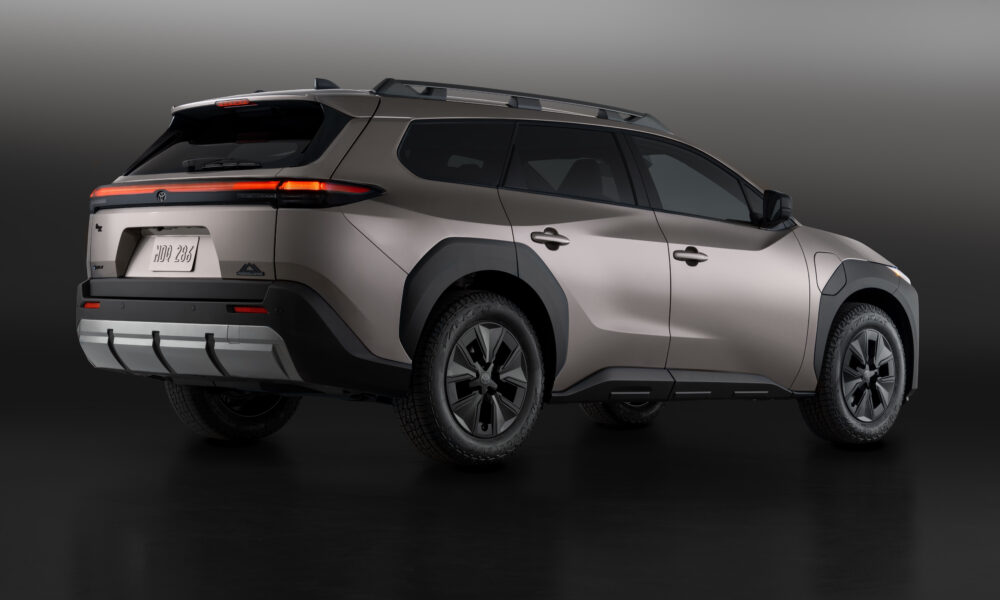
Toyota’s EV sales jumped 328% year-over-year to 12,904 units, led by the bZ (up 145.1%) and new Woodland and C-HR EV variants. Lexus rose 442.2% to 8,464. Rivian grew 45.7% to 19,239, helped heavily by its EDV500/EDV700 commercial vans (up 220.9%) alongside its first R2 deliveries (3,456 units). Subaru climbed 31.5% to 4,566, led by the new Trailseeker.
The real losers: VW, Ford, Chevrolet, Hyundai
Volkswagen fell 90.5%, Ford dropped 80.2%, Chevrolet declined 74.6%, and Hyundai slid 57.7%. Year-to-date through nine months, total US EV sales sit at 729,869, down 29.9% from 1,041,647 over the same period in 2025. Ford’s YTD sales are down 67.5%, Chevrolet 56%, and Volkswagen 80.8% — all three show a much steeper falloff than Toyota, Rivian, or Subaru, which suggests the tax credit’s exit hit brands unevenly rather than hitting the EV market as a whole in the same way.
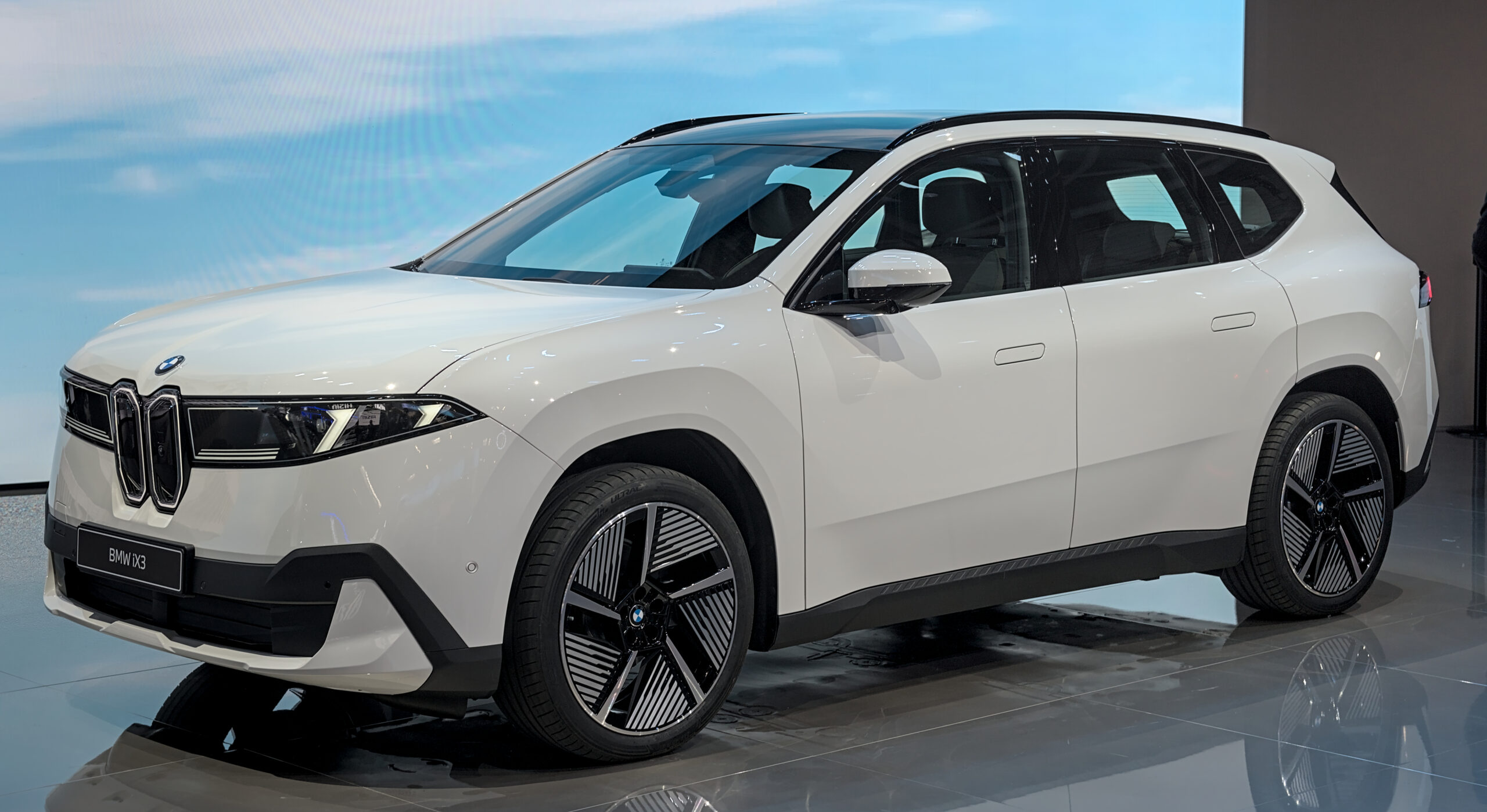
EVs still made up about 6.5% of new-vehicle sales in Q3, up slightly from 5.8% in Q2 but down from over 10% a year earlier. For context on two of the quarter’s biggest movers, see our coverage of Kia’s EV3 sales bet and BMW’s early iX3 deliveries. Sales data is reported by Electric Cars Report, via Cox Automotive.