




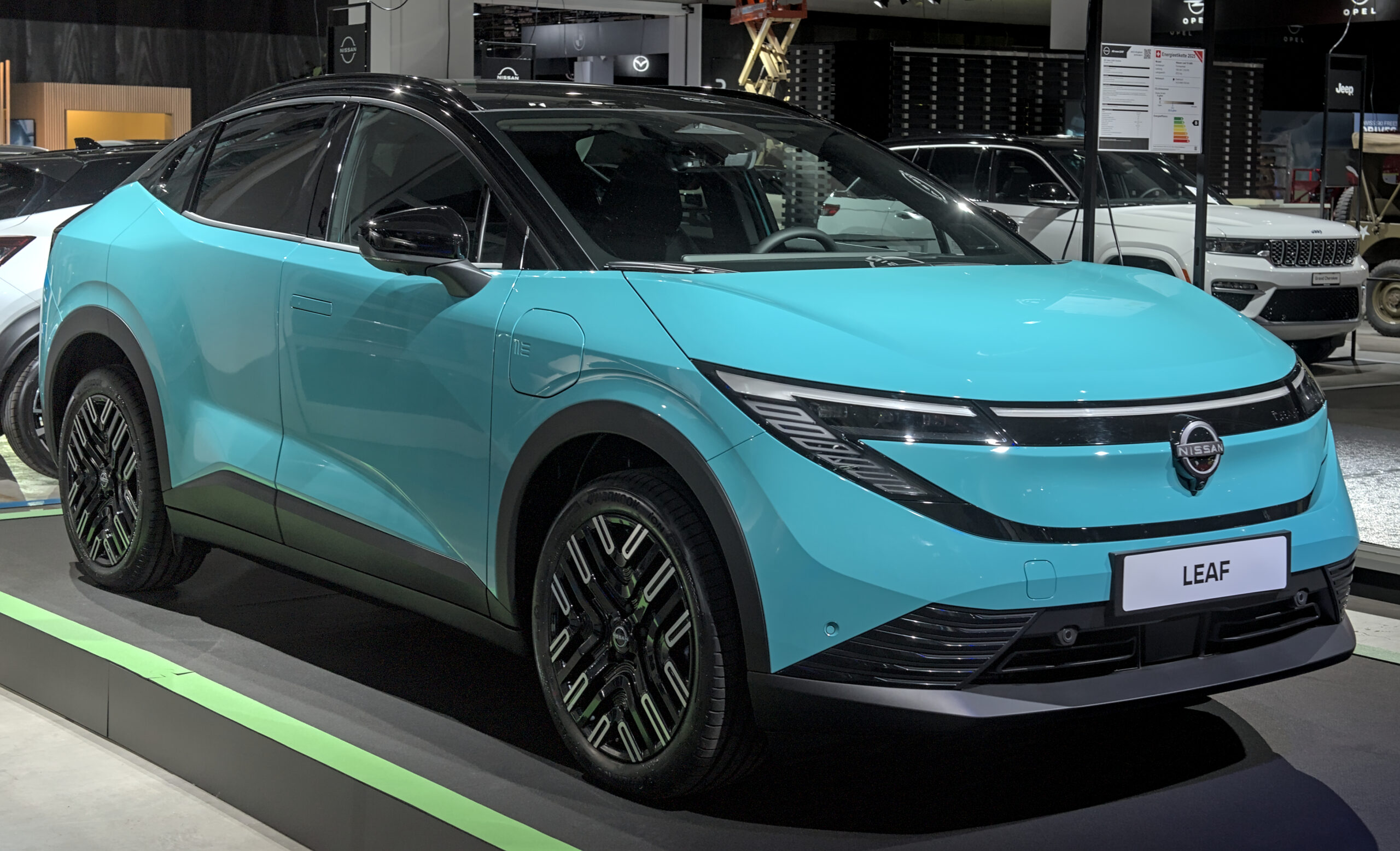
Nissan is recalling 3,800 2026 Leaf EVs in the US because a rear outboard seat belt buckle may not latch securely, according to a filing with the National Highway Traffic Safety Administration (NHTSA). A seat belt that doesn’t latch properly stops protecting the occupant in a crash — and if a child seat is anchored to that same buckle, the risk extends to the smallest passengers in the car.
What’s actually wrong
Nissan’s filing describes a manufacturing issue with the rear outboard seat belt buckles: in affected vehicles, the buckle may not fully engage when a passenger clicks it in, even though it can feel and sound latched. NHTSA’s recall database lists the issue under docket 26V425, with Nissan notifying dealers and owners directly. The automaker has not disclosed a specific root cause publicly beyond the buckle assembly itself, and no crashes or injuries tied to the defect have been reported so far.
Nissan will notify owners by mail, and dealers will inspect and, if necessary, replace the affected buckle at no cost. Owners don’t need to do anything to request the fix beyond scheduling the appointment once notified — there’s no action required to initiate the recall itself.
Who’s affected
The recall is limited to 2026 model-year Leaf EVs built during a specific production window, not the entire current Leaf lineup. At roughly 3,800 vehicles, this is a narrow recall compared to Nissan’s broader 2026 lineup, but it lands at an awkward moment: the redesigned, Ariya-based 2026 Leaf is a higher-stakes launch for Nissan than past Leaf generations, positioned as the brand’s answer to more space-efficient compact electric SUVs.
If you own a 2026 Leaf, the fastest way to check is your Vehicle Identification Number (VIN) against NHTSA’s recall lookup tool at nhtsa.gov/recalls, rather than waiting on the mailed notice, which can take several weeks to arrive after a recall is filed.
Why this one’s worth watching
Seat belt buckle recalls are common across the industry and usually don’t signal a deeper vehicle problem — this isn’t a battery, motor, or software issue. But the affected component sits in the back seat, where child seats are most often installed, which is why NHTSA treats latch-engagement defects as a priority category regardless of how small the fleet is. Nissan has had a rockier recall year in 2026 than usual across its lineup, and this is one more entry on that list rather than an isolated incident.
For now, the fix is free, the fleet is small, and there’s no reported injury tied to it — but if you or someone you know has a new Leaf, checking the VIN costs nothing and takes under a minute.