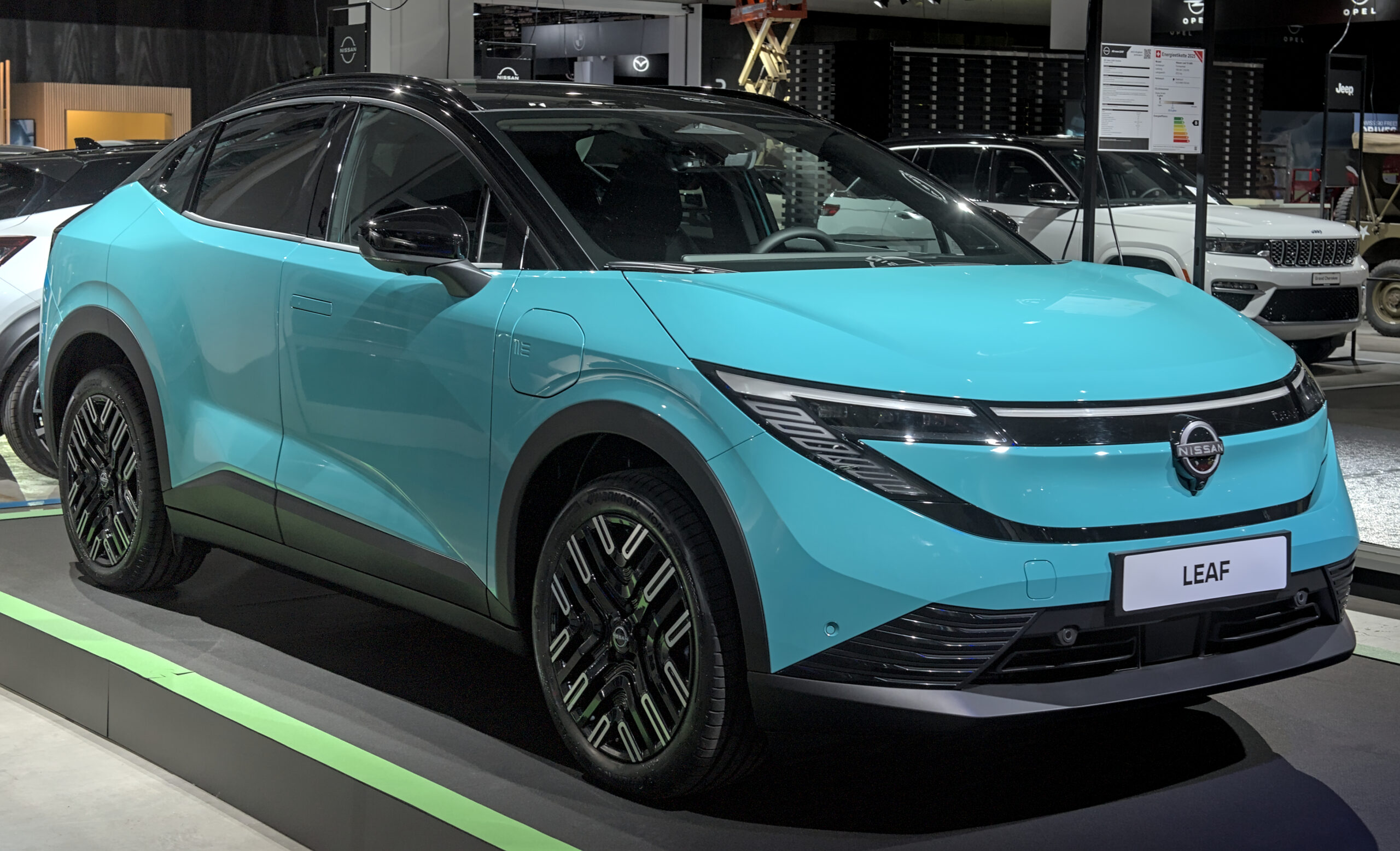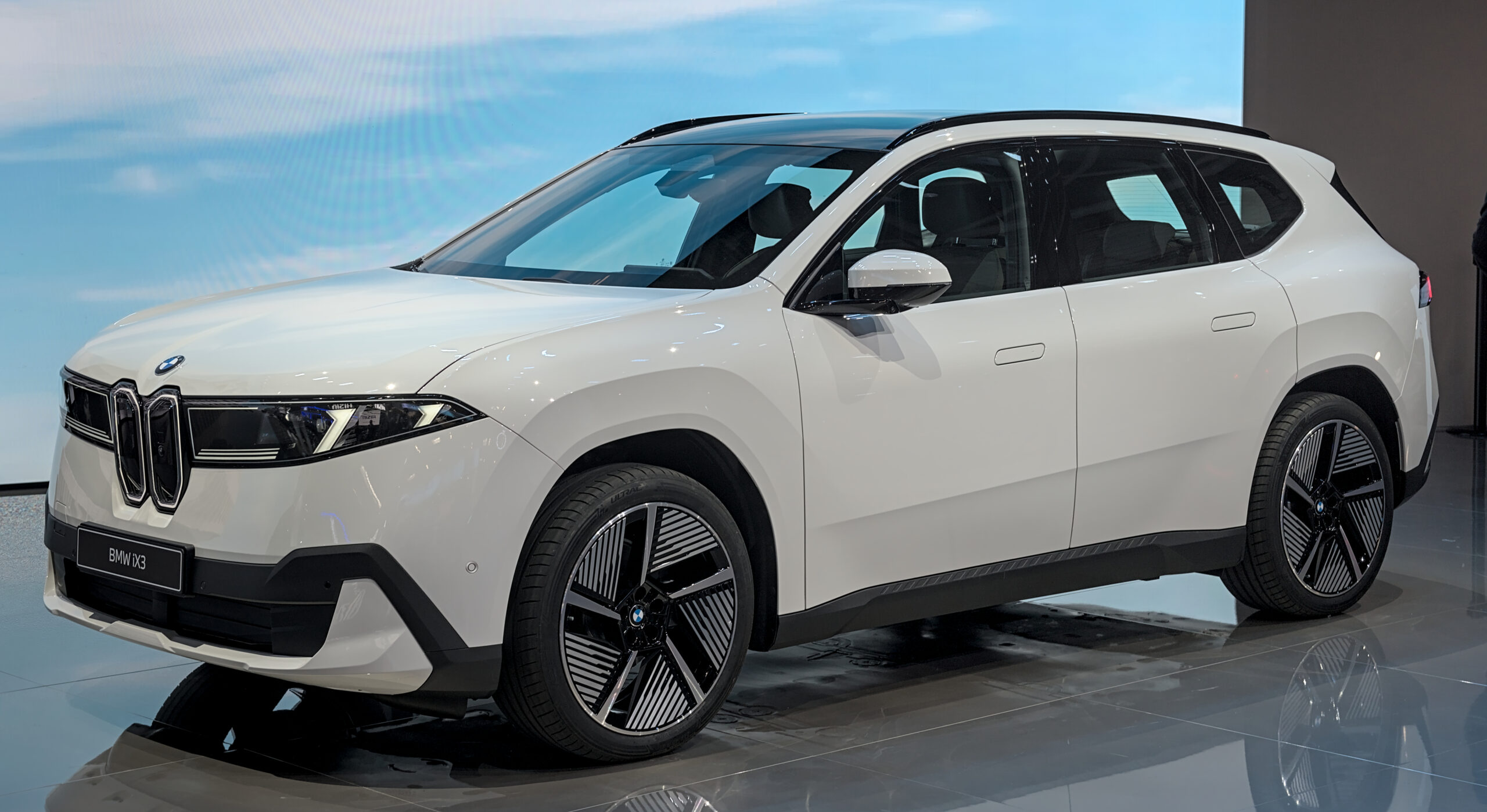



The EV tax credit sales impact promised by economists and automakers alike is no longer theoretical — it’s sitting in Cox Automotive’s Q3 2026 sales data. The $7,500 federal credit for new EVs ended for vehicles acquired after September 30, 2025, eliminated by the One Big Beautiful Bill Act. A year later, the brands that leaned hardest on that credit to move cars are the ones posting the steepest declines.
The brands that cratered
Volkswagen’s US EV sales are down 90.5% year-over-year in Q3, Ford is down 80.2%, Chevrolet 74.6%, and Hyundai 57.7%. Year-to-date, Ford is down 67.5%, Chevrolet 56%, and Volkswagen 80.8%. Some of that drop is the year-over-year comparison against a Q3 2025 inflated by buyers rushing to beat the credit’s deadline — but the gap between these brands and the ones below is too large to explain by timing alone.
The brands that didn’t
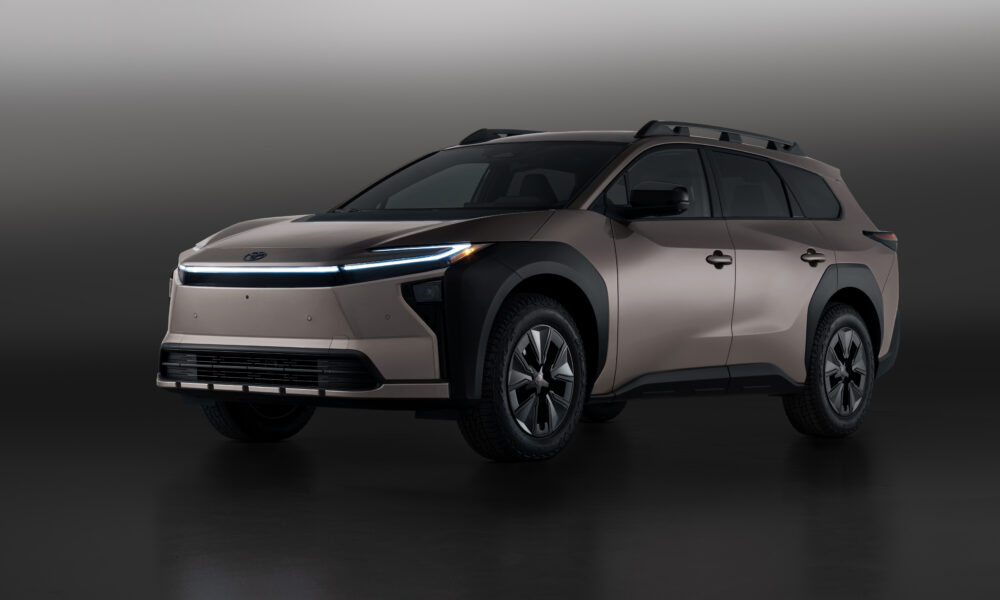
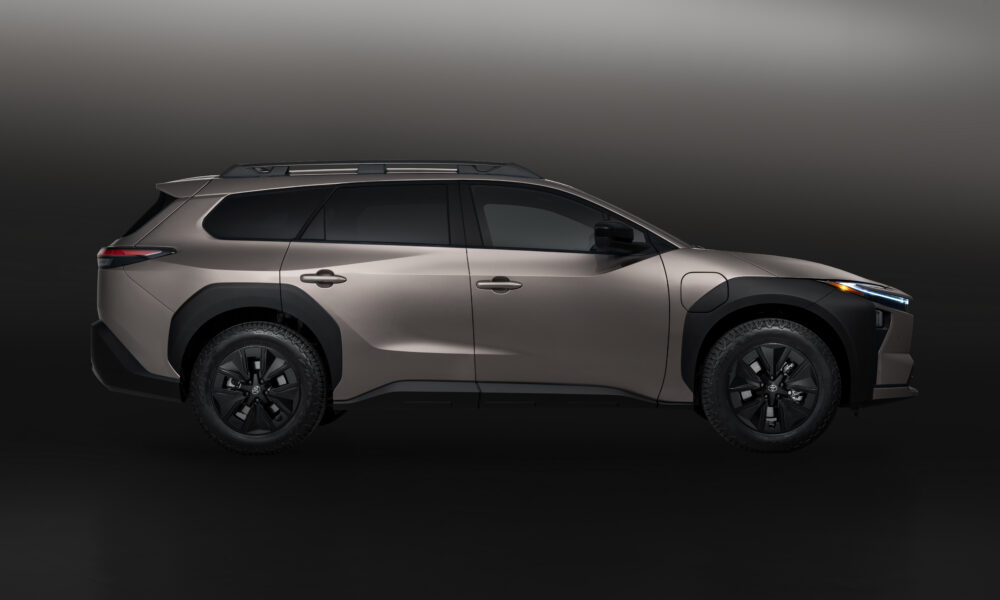
Toyota’s EV sales grew 328% year-over-year in Q3; Rivian grew 45.7%; Subaru grew 31.5%; Lexus grew 442.2% off a small base. None of these brands built their EV sales pitch primarily around the tax credit — Toyota and Subaru lean on hybrid-first reputations and now off-road-capable EV variants like the bZ Woodland, while Rivian’s growth came disproportionately from commercial vans (up 220.9%), a segment that was never the credit’s core audience.
What’s left to replace the credit
The federal credit’s replacement isn’t EV-specific: a new Auto Loan Interest Deduction allows up to $10,000 per year in loan interest deducted for US-assembled vehicles, available through 2028, phasing out above $150,000 (single) or $250,000 (married) income. Several states still offer their own EV rebates — California up to $14,000 for income-qualified buyers, Colorado up to $6,000 combined, Connecticut up to $9,500 — but those are narrower, income-gated, and can run out of funding.
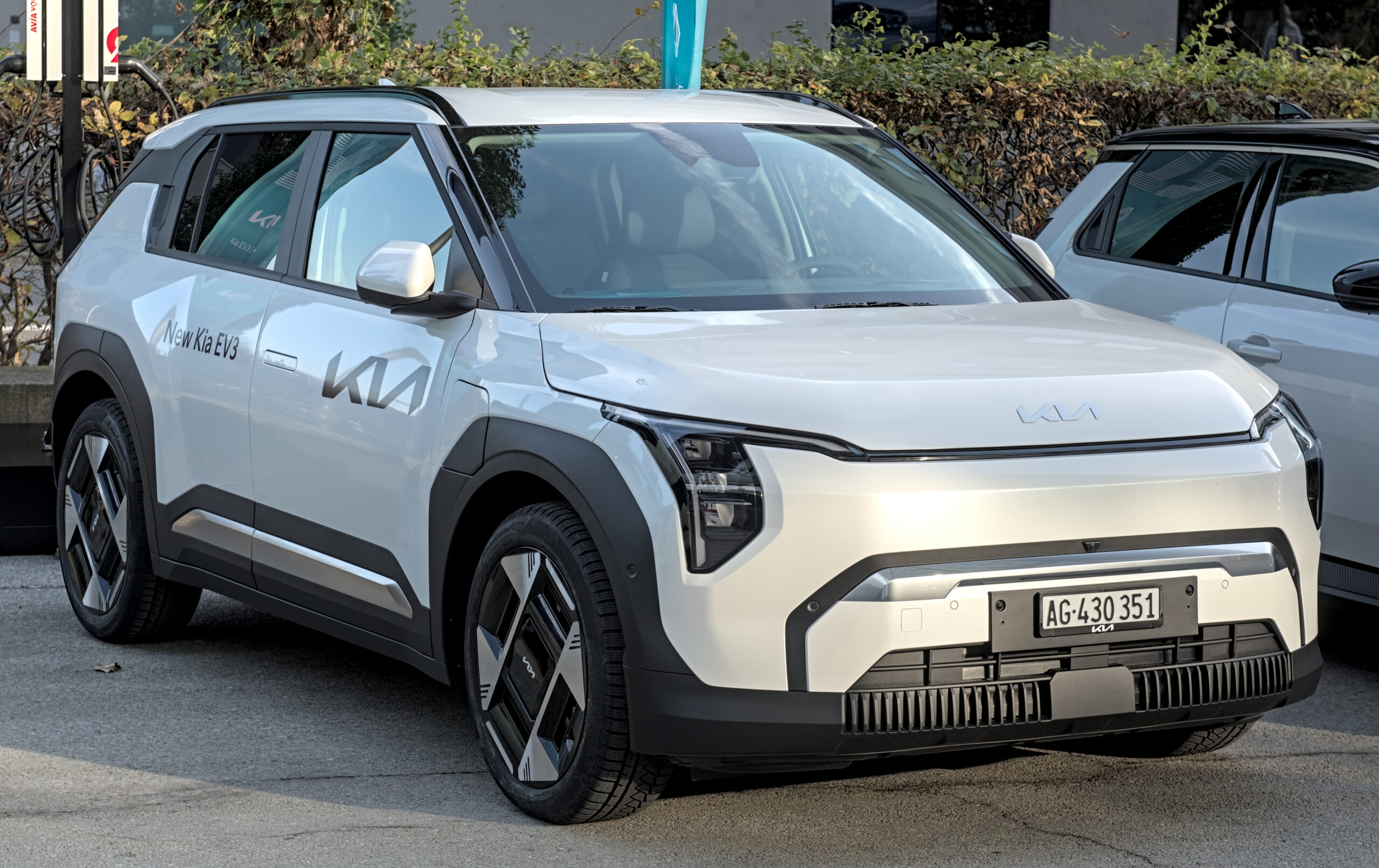
The practical read: EVs priced to compete without a credit (Toyota, Subaru, and budget-focused models like the Kia EV3) are weathering this better than brands that priced assuming $7,500 off. For the full picture of what buyers can still claim, see our buying guide on long-range EVs. Sales figures via Electric Cars Report; tax credit details via Joule.