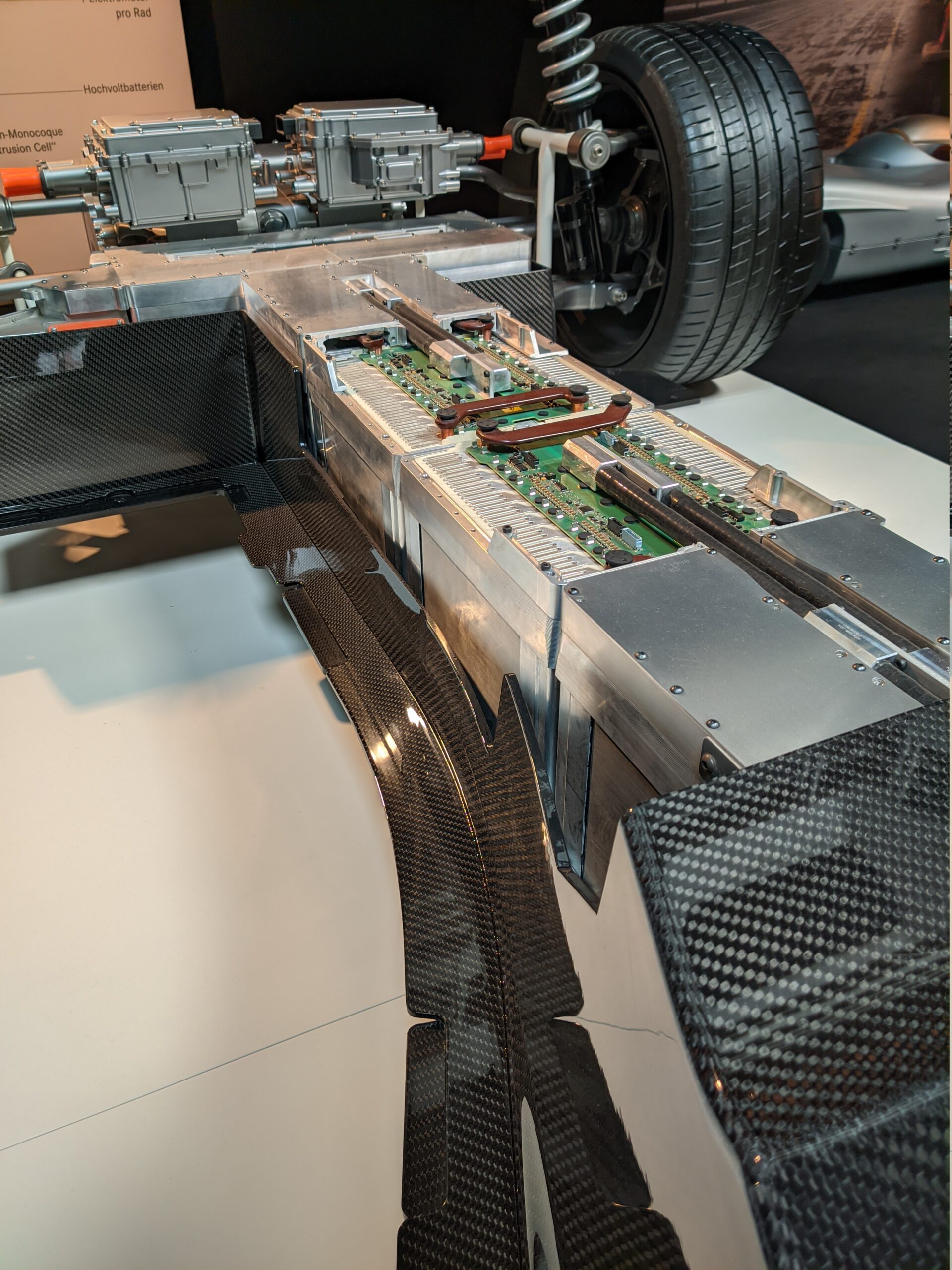



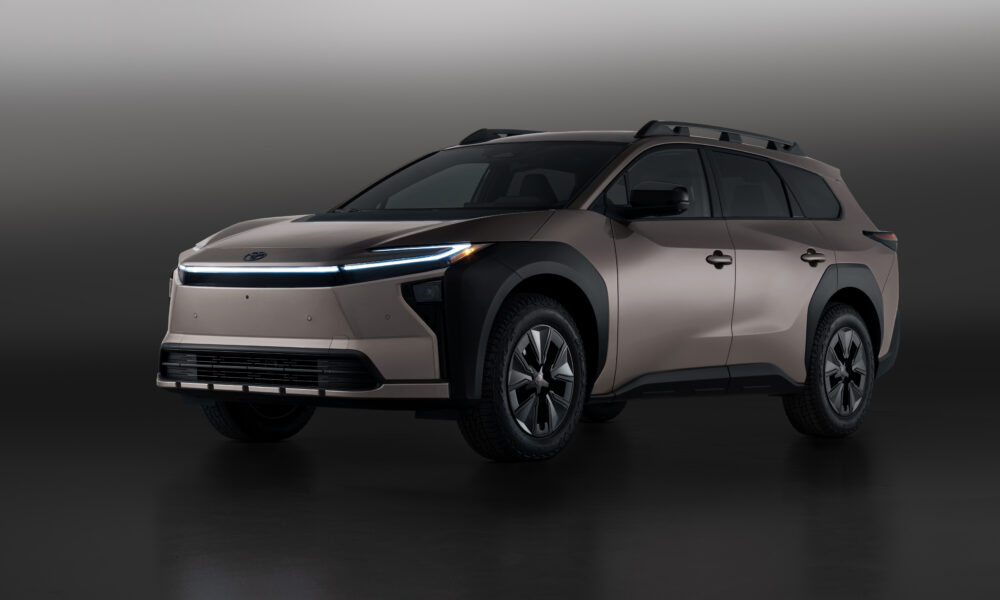
Toyota says its next-generation EV battery, expected around 2026, will push range to as much as 621 miles on a single charge — roughly double what most mainstream EVs offer today — while costing about 20% less than the battery in the current bZ4X and charging from 10% to 80% in around 20 minutes. The gains come from higher energy density, lower pack weight, and improved vehicle aerodynamics working together, rather than from battery chemistry alone, though Toyota hasn’t named the specific chemistry publicly.
A second, cheaper battery alongside it
Toyota isn’t betting on one battery type. Alongside the high-range pack, it’s also adapting the bipolar-structure lithium iron phosphate (LFP) battery already used in its Aqua and Crown hybrids for full EV use, targeting around 375 miles of range — about 20% more than the current bZ4X — at 40% less cost, with a 10-80% charge time of under 30 minutes. LFP chemistry is generally cheaper and more durable than the nickel-based batteries most long-range EVs use today, trading some energy density for lower cost and longer cycle life.
Running two battery strategies side by side — one chasing maximum range, one chasing minimum cost — lets Toyota target different buyers without forcing every EV into the same tradeoff.
Why the cost number matters as much as the range number
A 621-mile range figure gets the headlines, but the 20% cost reduction is arguably the more consequential number for buyers. Battery cost is the single biggest line item in any EV’s price, so a meaningful cut there is what actually moves sticker prices down — range improvements alone tend to get captured by automakers as a premium-trim upsell rather than passed through as savings.
The timeline question
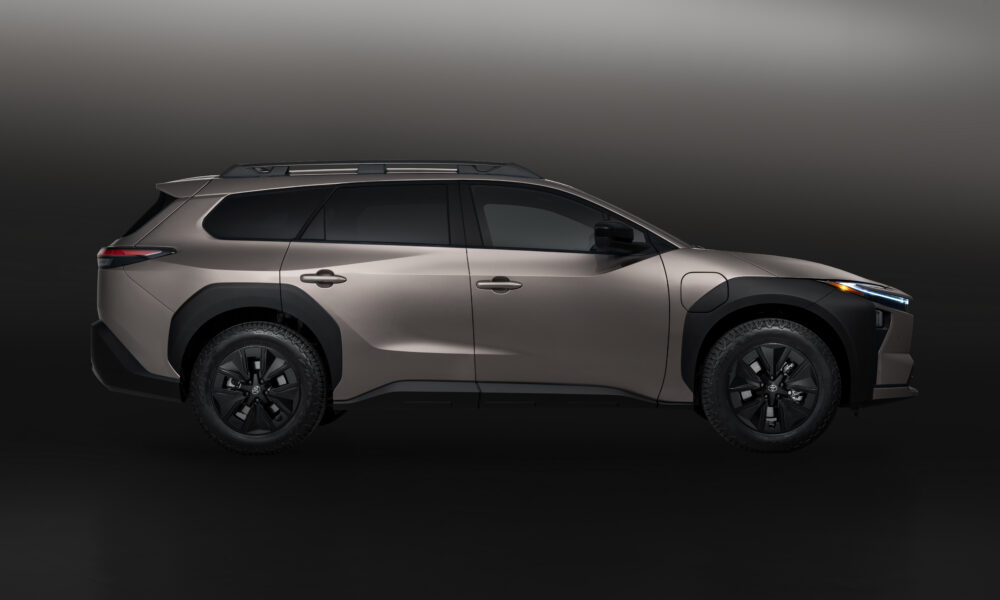
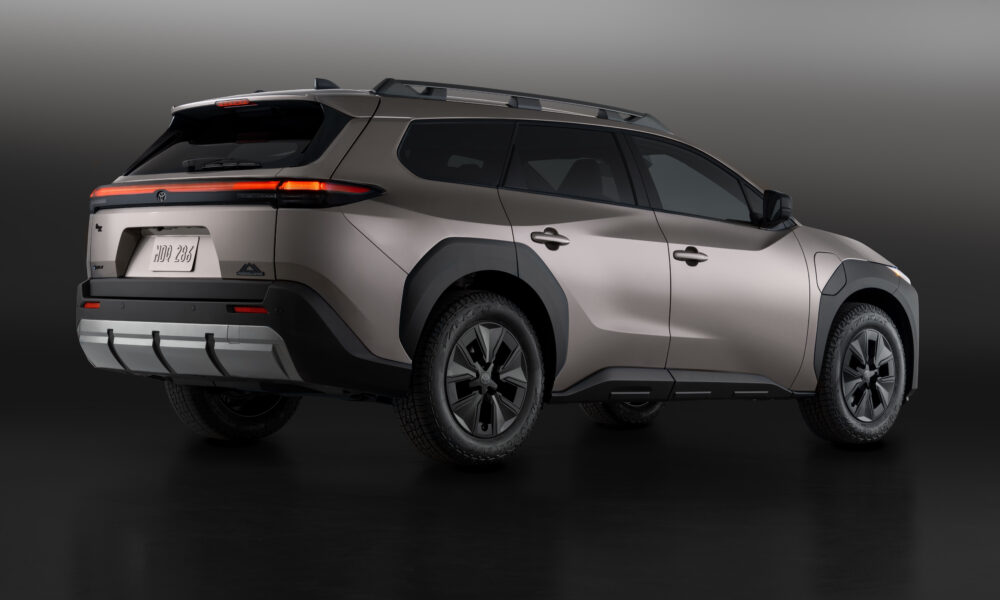
Toyota has a well-documented habit of being conservative about battery promises compared to some EV-first rivals, which cuts both ways: the company has also historically hit the numbers it commits to publicly, rather than walking them back later. “Around 2026” for the next-gen pack and the LFP pack means buyers shouldn’t expect either battery in a showroom car immediately — it points to the next model cycle after the current bZ Woodland and bZ4X, not a mid-cycle refresh.
If Toyota delivers both battery lines close to the numbers it’s promising, it would put the company’s EVs ahead of most mainstream competitors on cost, and within range of the longest-range EVs currently sold, in the same vehicle generation.