

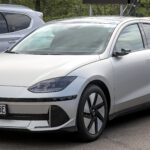
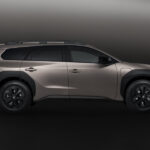

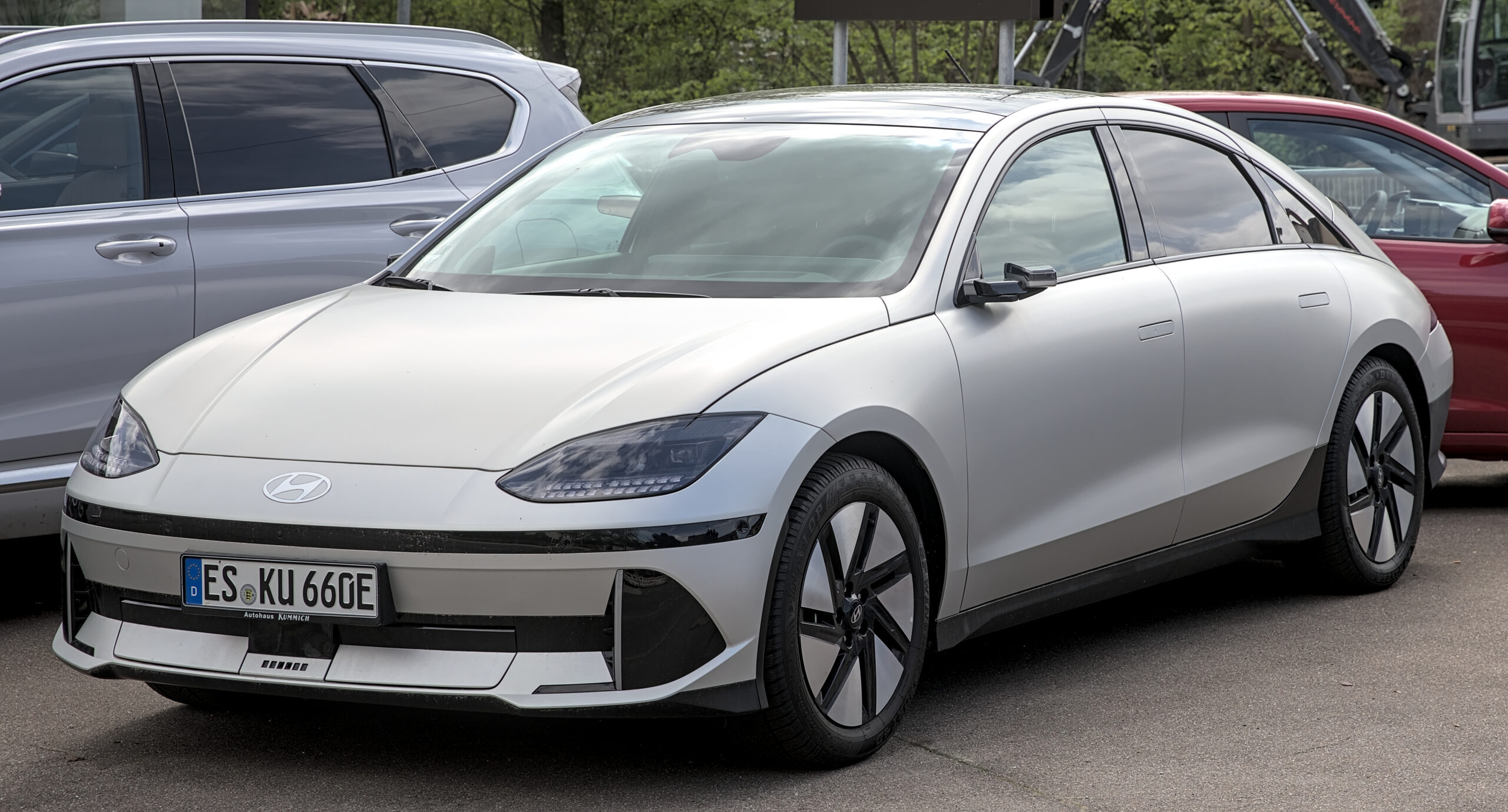
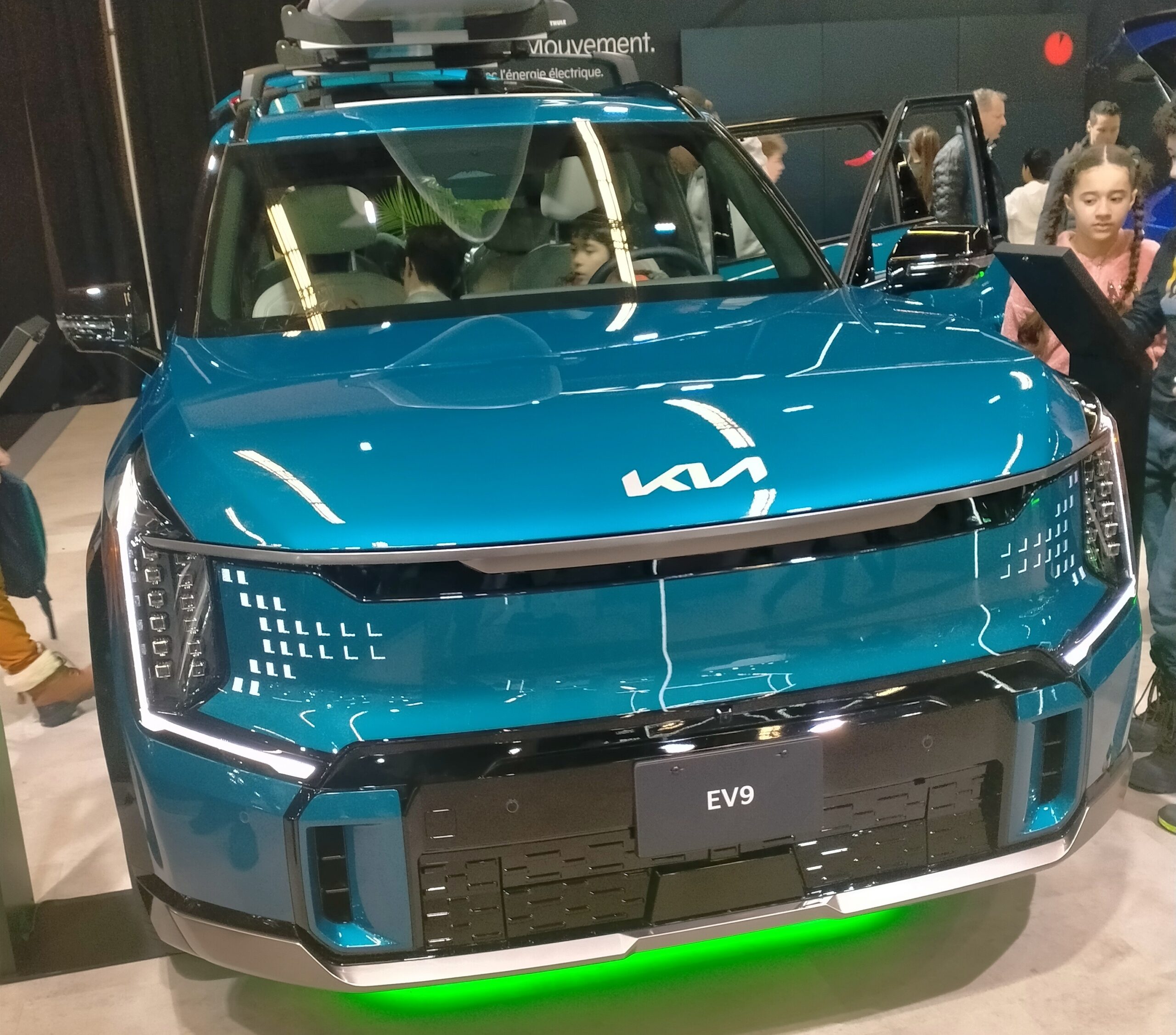
The Hyundai Ioniq 9 and Kia EV9 are built by sibling companies on related electric architecture, aimed at the same three-row family-EV buyer — but their pricing tells two different stories. The EV9’s cheapest trim, the Light Standard Range, starts at $56,395, while the Ioniq 9’s base S trim runs $60,555. At the other end, Kia’s GT-Line tops out at $73,395 versus the Ioniq 9 Performance Calligraphy Design’s $78,090. Kia is cheaper at both ends of the lineup, which immediately changes the comparison from “which is better” to “what does the Hyundai premium actually buy.”
Pricing, trim by trim
- Entry trim: Kia EV9 Light SR at $56,395 vs. Ioniq 9 S at $60,555 — a $4,160 Kia advantage
- Mid trim: Kia EV9 Wind at $65,395, directly between the Ioniq 9’s range of trims
- Upper-mid trim: Kia EV9 Land at $70,396
- Top trim: Kia EV9 GT-Line at $73,395 vs. Ioniq 9 Performance Calligraphy Design at $78,090 — a $4,695 Kia advantage
Range: closer than the price gap suggests
The Ioniq 9’s base S trim leads with 335 miles of EPA-estimated range, the strongest figure either lineup offers. Kia’s range numbers sit lower across the board: the Light LR trim claims 305 miles, while Wind and Land trims claim 283 miles, and the GT-Line drops to 280 miles. So the Ioniq 9’s priciest advantage — range — is concentrated specifically in its base trim, not spread evenly across the lineup. A buyer who wants Hyundai’s best range has to buy the cheapest Hyundai trim, not the nicest one.
What actually differs beyond the spec sheet
Shared platform doesn’t mean identical car. Hyundai and Kia differentiate their E-GMP-based models primarily through styling, interior design language, and infotainment software — areas where brand identity matters more than underlying hardware. The Ioniq 9 leans into Hyundai’s minimalist, concept-car-inspired cabin design, while the EV9 carries Kia’s more traditional SUV proportions and control layout. Neither approach is objectively better; it’s a matter of which interior language a buyer actually prefers to live with.
The actual verdict
If range is the priority and budget allows for it, the Ioniq 9 S trim’s 335 miles is the strongest number either brand offers, full stop. If value matters more than squeezing out the last few miles of range, the EV9 wins at essentially every trim level by a consistent $4,000-plus margin, while still offering range figures (280-305 miles) well within normal daily-use territory for the vast majority of drivers. For most three-row EV shoppers who aren’t maximizing for a single spec, the Kia EV9 is the more defensible buy on price alone — the Ioniq 9 earns its premium only for the specific buyer chasing maximum range in the base trim.
FAQ
Do the Ioniq 9 and Kia EV9 share a battery?
They share the underlying E-GMP platform family, but trim-specific battery sizes and tuning differ, which is reflected in their different range figures.
Which one charges faster?
Both use similar E-GMP-based fast-charging architecture; neither currently publishes a meaningfully faster charge-time figure that would change a buying decision on its own.
Is the price gap the same at every trim?
No — Kia’s advantage ranges from roughly $4,000 to nearly $5,000 depending on trim, rather than a flat markup across the lineup.