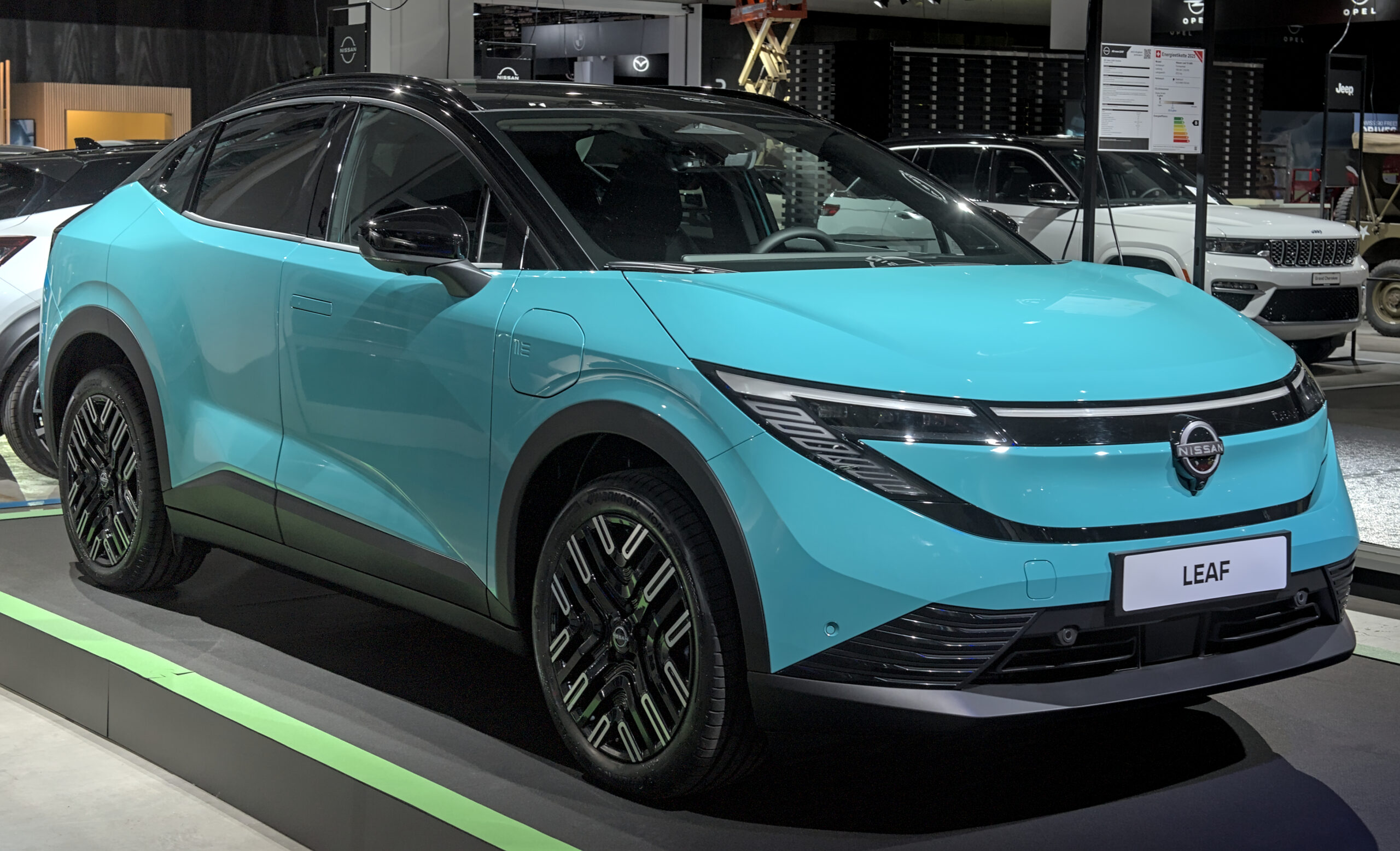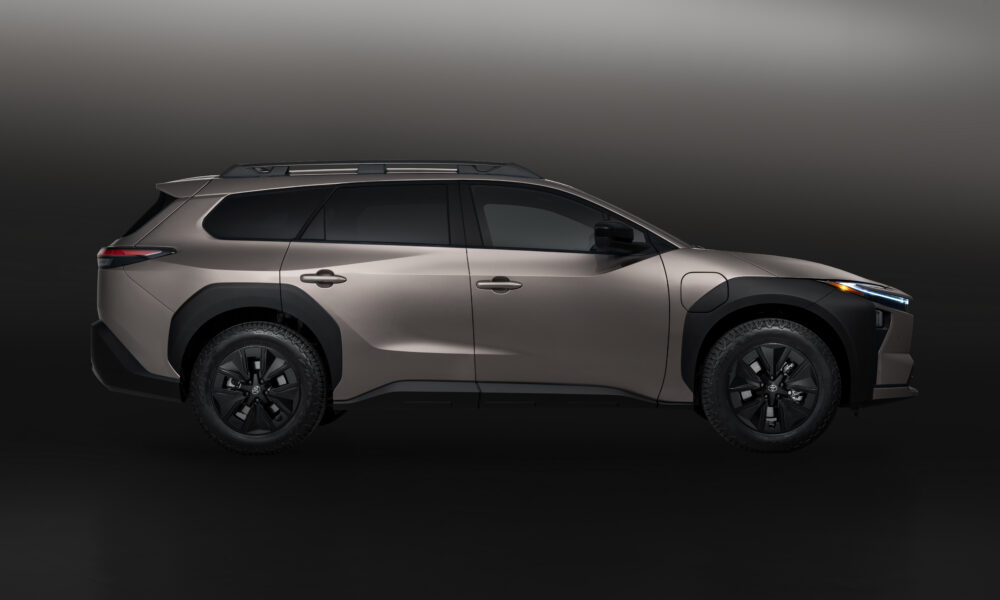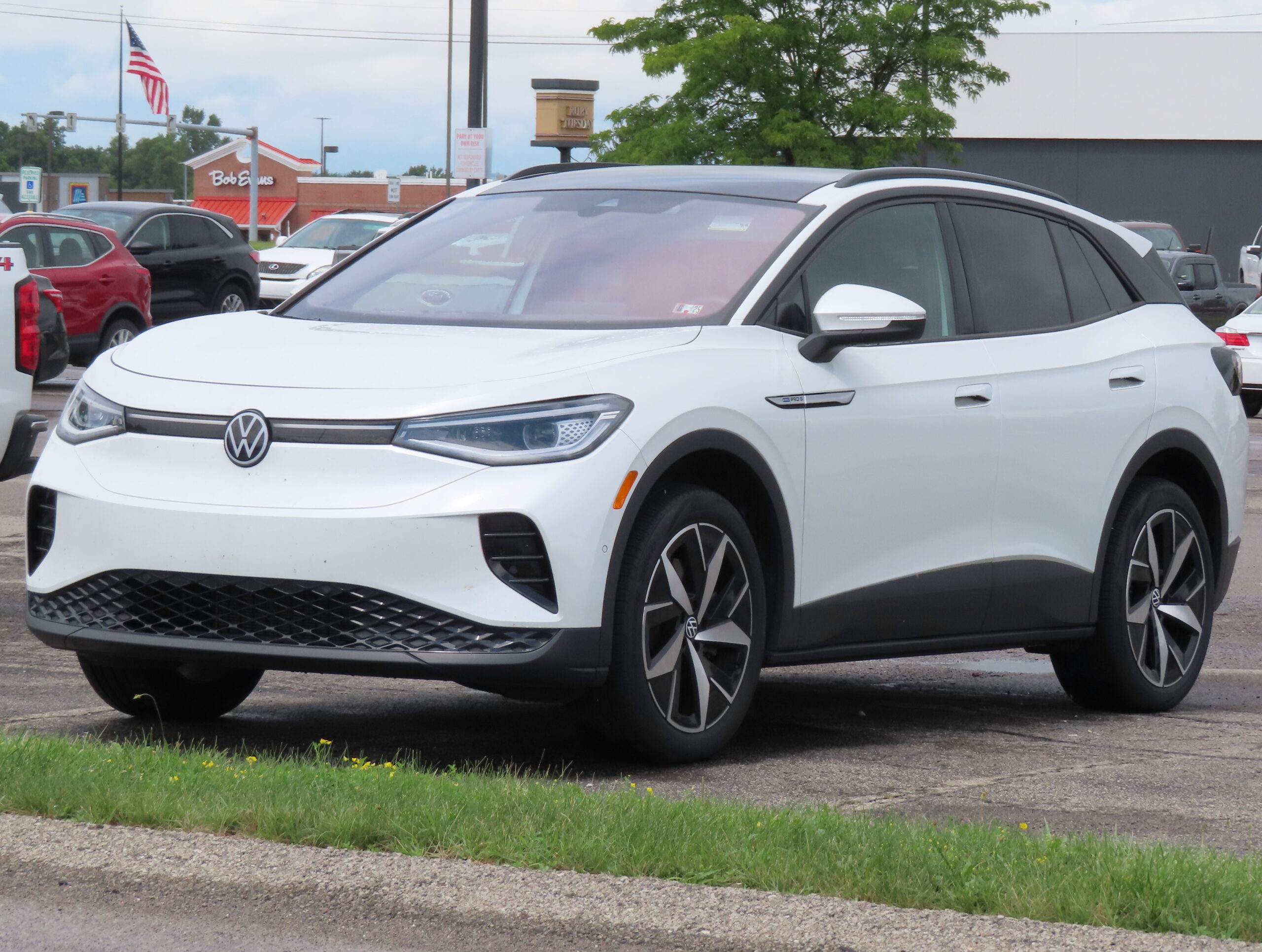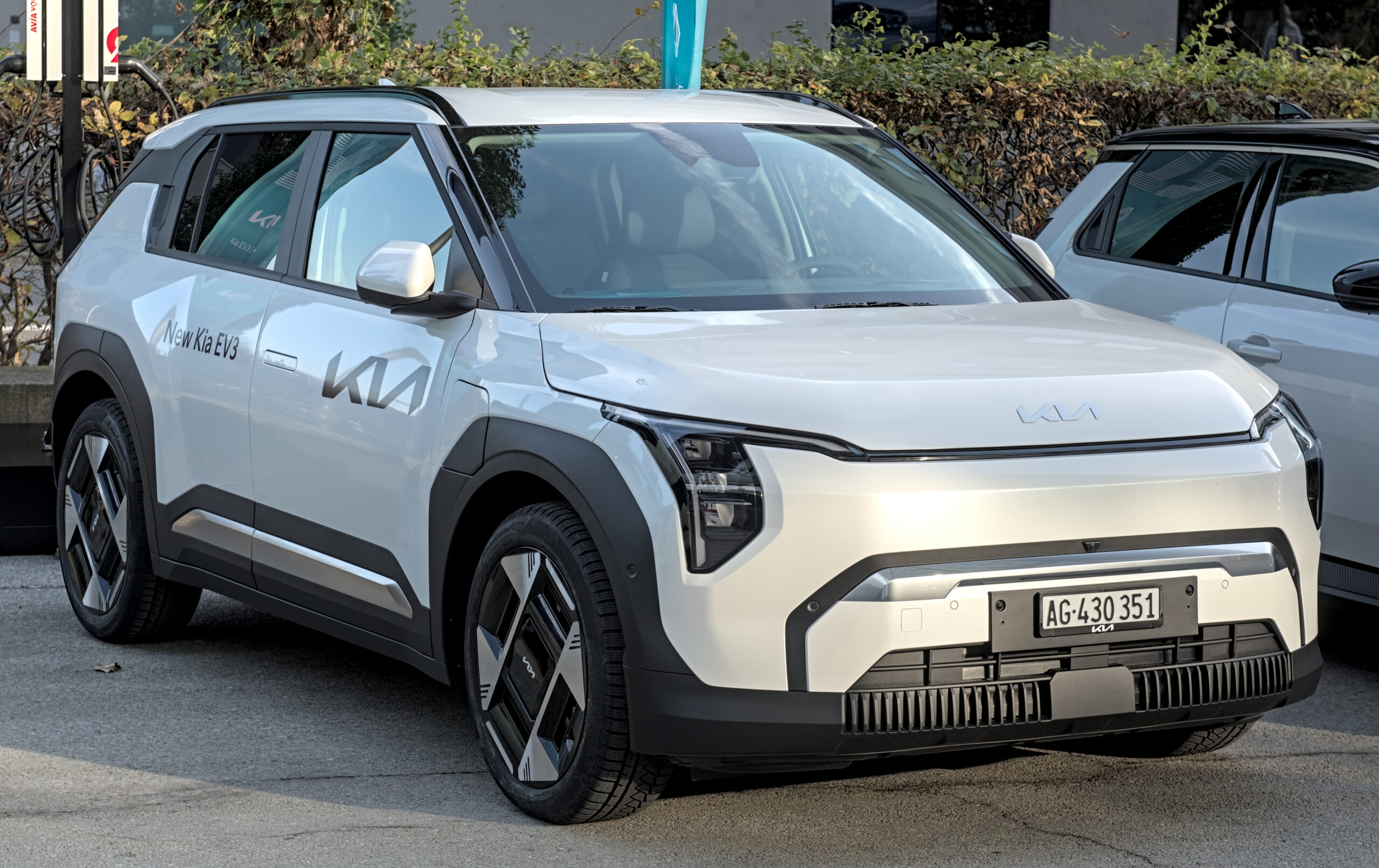






Used EV prices are dropping faster than used gas-car prices right now, driven by a wave of three-year lease returns and tax-credit-driven trade-ins hitting dealer lots at the same time. That’s genuinely good news for buyers — but a falling price alone doesn’t tell you whether a specific used EV is actually a good deal, or a battery problem waiting to happen. Here’s how to actually navigate this market.
Step 1: Understand why prices are actually falling
This matters for your negotiating position. Prices are down because of an oversupply of EVs specifically — three-year lease returns from the 2023 EV boom, plus a rush of trade-ins from buyers who bought new before the federal tax credit expired — not because demand for EVs collapsed. That means dealers are motivated to move inventory, which gives buyers real leverage on price right now, but it also means the glut is likely temporary. If you’re on the fence, waiting for prices to fall further isn’t a guaranteed strategy; once the current wave of returns clears the market, pricing could stabilize or even tick back up.
Step 2: Target high-volume models for the steepest discounts
The models seeing the biggest price drops are the ones that leased in the highest numbers three years ago — mainstream, high-volume EVs, not niche or low-production models. If your goal is maximizing savings rather than finding a specific rare model, shop the high-volume segment first; that’s where oversupply (and therefore discounting pressure) is concentrated.
Step 3: Check battery health before anything else
A used EV’s battery is the single most expensive component to replace, and it’s also the hardest thing to assess from a listing photo. Ask the seller or dealer for a battery health report — many manufacturers and third-party tools can generate one showing remaining capacity versus the original rating. A battery that’s degraded significantly below its original range rating should factor directly into your offer price, the same way you’d account for worn brakes or tires on a gas car, just with a much bigger dollar impact.
Step 4: Confirm remaining battery warranty coverage
Most EV batteries carry an 8-year/100,000-mile warranty from the original in-service date, not from your purchase date. A three-year-old lease return still has roughly five years of battery warranty left in most cases, which meaningfully reduces your risk on the single most expensive component in the car. Confirm the exact in-service date and warranty terms transfer to you as a used buyer — this varies by manufacturer, so don’t assume it’s automatic.
Step 5: Factor in the missing federal tax credit
The federal EV tax credit — for both new and previously, used EVs — expired in 2026. That changes the math on what counts as a “good deal” compared to last year: a used EV price that would have looked expensive next to a credit-discounted new EV in 2025 may now look much more reasonable, since new EVs no longer get that $7,500 (or up to $4,000 for qualifying used EVs) knocked off at purchase. Check for state-level EV incentives, which vary widely and in some cases still apply to used purchases even though the federal credit is gone.
Step 6: Verify charging hardware compatibility
If you’re buying a used EV built before your region’s charging networks standardized on NACS, confirm whether it needs a CCS-to-NACS adapter to use Tesla Superchargers, and whether that adapter is included or needs to be purchased separately. This is a small cost but an easy thing to overlook until you’re stranded at a charger that doesn’t fit your car.
Step 7: Negotiate like supply actually favors you right now
Dealers know the used EV lot is overstocked. Use that: ask directly how long a specific vehicle has been on the lot, and don’t be afraid to walk if a dealer won’t move on price for an EV that’s been sitting for months. In a genuine oversupply market, time is on the buyer’s side, not the seller’s.
FAQ
Is now actually a good time to buy a used EV?
If you’ve found a specific model with healthy battery capacity, remaining warranty coverage, and a price reflecting the current oversupply discount, yes — but don’t buy purely on the assumption prices will keep falling indefinitely, since the oversupply is tied to a temporary wave of lease returns and trade-ins.
How do I actually check a used EV’s battery health?
Ask the dealer or seller for a battery health or state-of-health report; several manufacturers offer this through their apps, and independent diagnostic tools exist for models where the automaker doesn’t provide one directly.
Does the used EV federal tax credit still exist?
No — both the new and used federal EV tax credits expired in 2026. Factor that into your price comparisons rather than assuming a credit will apply.
Should I wait for prices to drop further?
That’s a real possibility, but not a guarantee — the current glut is driven by a specific, time-limited wave of lease returns and trade-ins that will eventually clear the market, at which point pricing trends could shift.