


If you’re shopping for an EV expecting a federal discount, stop — there isn’t one anymore. EV tax credit 2026 shopping means working without the $7,500 federal credit (Section 30D), eliminated by the One Big Beautiful Bill Act for any vehicle acquired after September 30, 2025. The $4,000 used-EV credit and the commercial 45W credit ended on the same timeline. But a few real options are still on the table.
What federally replaced it
A new Auto Loan Interest Deduction lets buyers deduct up to $10,000 per year in car loan interest, but only for US-assembled vehicles (VIN starting with 1, 4, 5, or 7) financed between January 1, 2025 and December 31, 2028. It phases out above $150,000 (single) or $250,000 (married) adjusted gross income, and isn’t EV-specific — it applies to any qualifying vehicle loan. Estimated real savings land around $2,200 to $3,700 over a loan’s life, depending on tax bracket, well short of a flat $7,500 off the purchase price.
State incentives that are still active
- California: up to $14,000 for income-qualified buyers (Clean Cars 4 All); CVRP up to $7,500 depending on income
- Colorado: $3,500 base credit, plus $2,500 for EVs under $35,000 MSRP
- Connecticut: up to $9,500 for income-qualified buyers
- New Jersey: up to $4,000 (Charge Up NJ)
- Massachusetts: up to $3,500; Oregon: up to $5,000 combined; Vermont: up to $5,000 for income-qualified buyers
How to actually check what you qualify for
State programs can run out of funding or change without much notice, so verify current availability directly with your state energy office or through DSIRE (the Database of State Incentives for Renewables & Efficiency) before you shop, not after you sign. Some utilities also offer separate rebates of $500 to $2,500 for used EVs, worth checking alongside any state program.
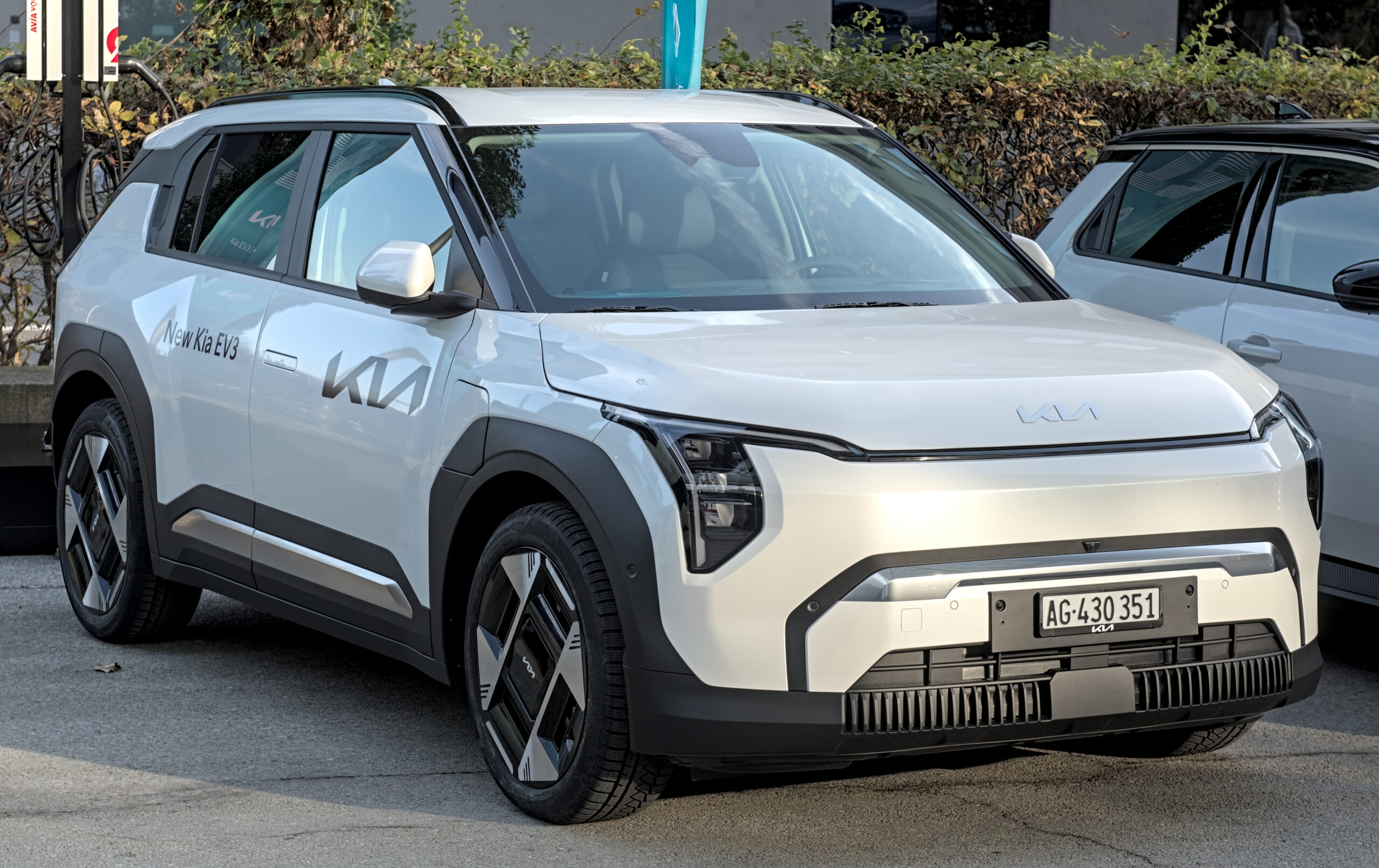
For specific model pricing now that the credit is gone, see our Kia EV3 pricing guide and long-range EV buying guide. Incentive details via Joule.