Certified pre-owned EV inventory is expanding fast as lease returns flood the market. A CPO badge promises extra inspection and warranty coverage. That promise varies more by manufacturer than most buyers realize. Knowing exactly what to check before signing protects against assuming CPO means identical coverage everywhere.
Table of Contents
Battery Health: The Check That Matters Most
Request the battery’s current state-of-health report before anything else, per Department of Energy EV guidance. That figure reflects actual remaining capacity, not just mileage or age. A CPO inspection should include this, but confirm it was actually performed and documented.
Compare the remaining battery warranty term against the vehicle’s current age and mileage. Battery condition drives resale value more than almost any other single factor. A battery nearing its warranty limit changes the ownership math meaningfully.
Technician’s Note: Ask specifically whether the battery’s charging history included heavy DC fast-charging use. Frequent fast charging accelerates degradation more than mostly Level 2 home charging does, even at identical mileage.
What CPO Warranty Coverage Actually Includes
CPO warranty terms vary significantly by manufacturer, not just by vehicle condition. Some programs extend the original battery warranty meaningfully. Others simply carry forward whatever original coverage remains, unchanged.
Request the exact written warranty terms, not a verbal summary from a salesperson. Confirm what specifically triggers coverage, particularly for battery capacity loss. Many programs only cover a battery that drops below a specific capacity threshold.
Charging Hardware And Port Condition
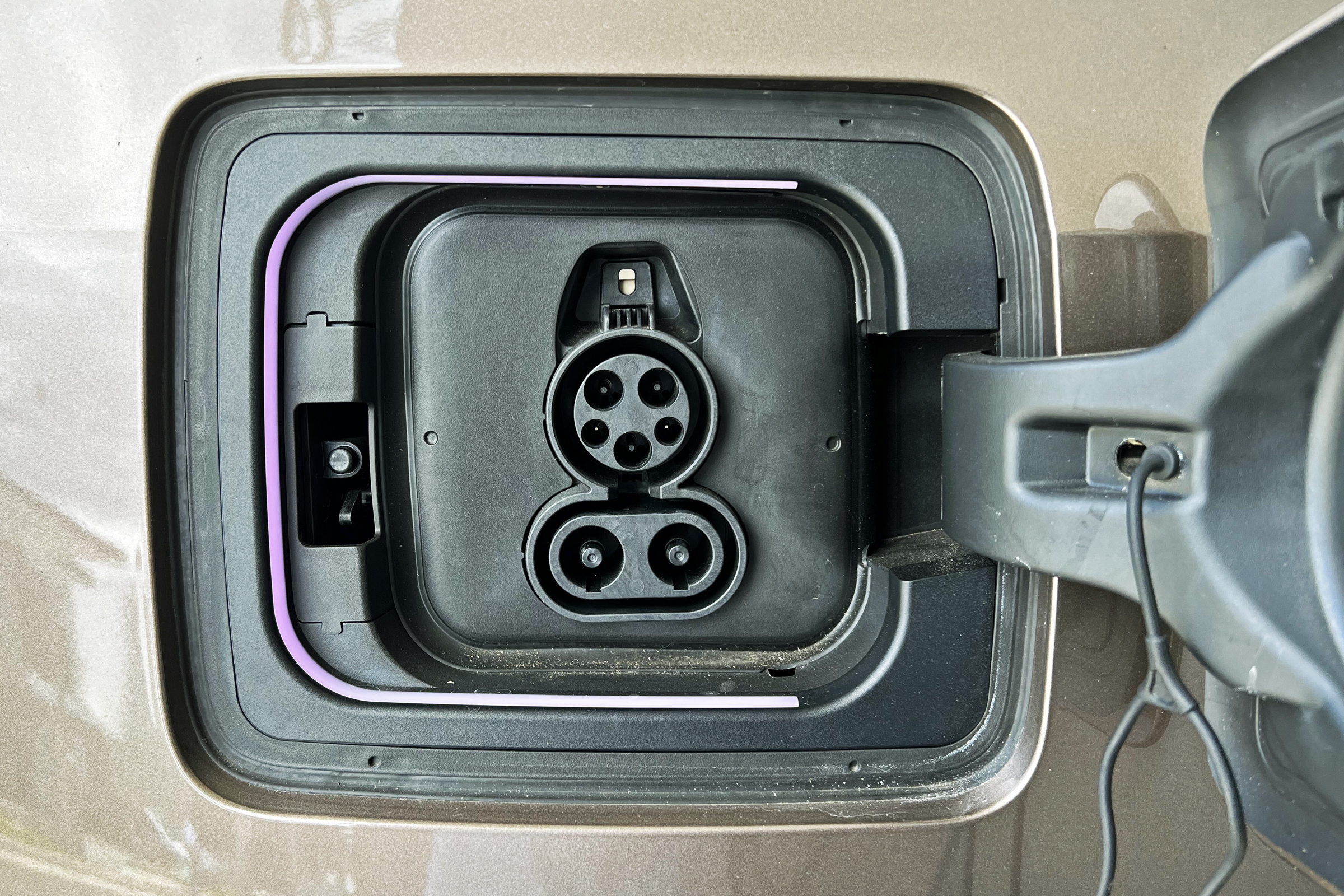
Inspect the charging port directly for physical damage or corrosion. Connector standard matters for long-term charging access too, not just the port’s physical condition. A vehicle with an aging or less common connector carries real future access risk.
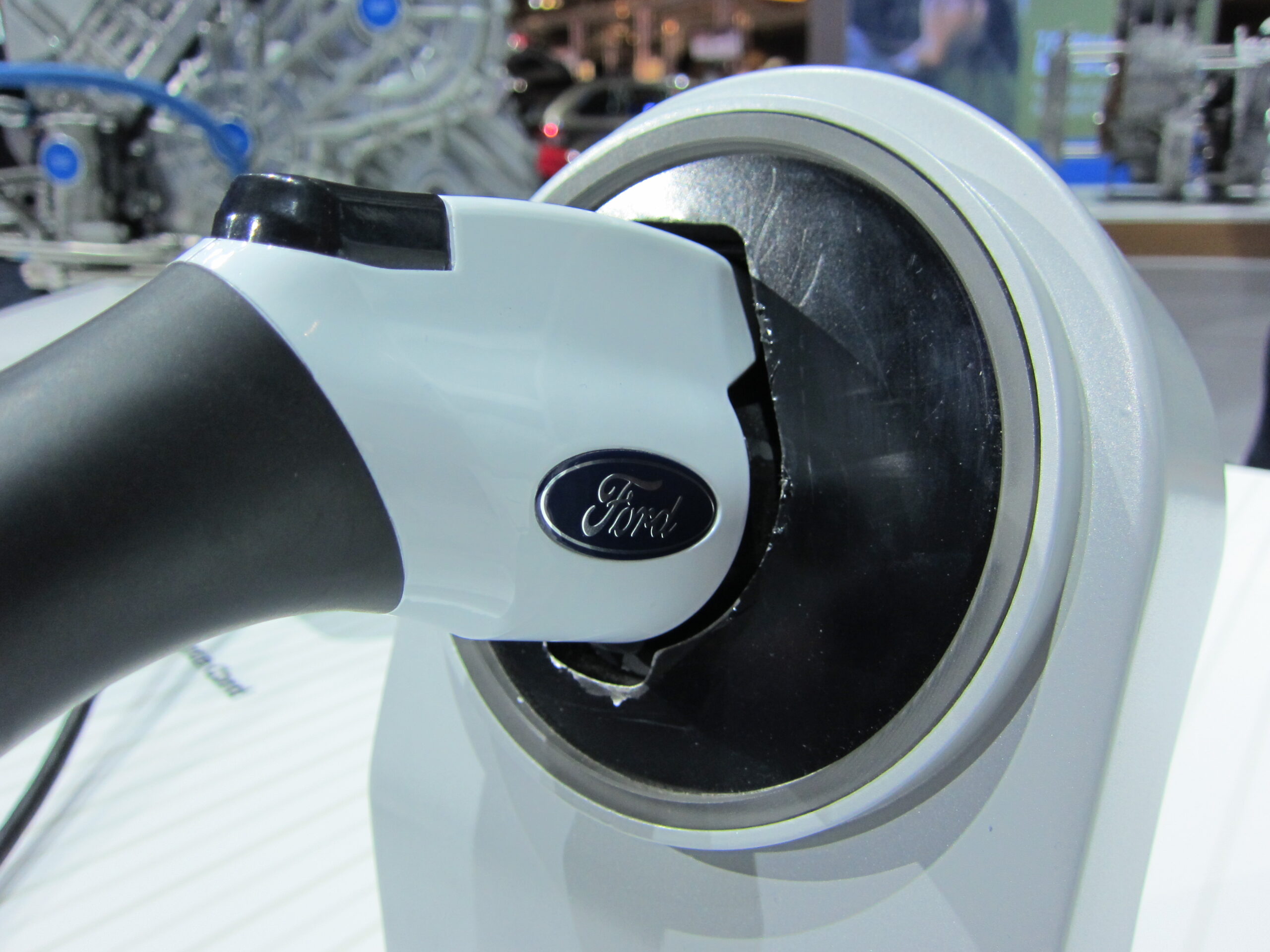
Test both Level 2 and DC fast charging during any test drive if genuinely possible. A charging system fault rarely shows up during a short dealer lot test alone. Requesting a real charging demonstration catches issues a basic inspection might miss.
Software, Features, And Subscription Status
Confirm which features actually transfer to a new owner versus requiring a paid subscription. Some manufacturers gate driver-assistance features or connectivity behind recurring fees. A used EV’s advertised feature list does not always transfer automatically at sale.
Check the vehicle’s current software version against the manufacturer’s latest available release. An outdated software version can mean missing safety or efficiency improvements. Confirm whether a dealer will update it before delivery.
Common Questions About Buying A Certified Pre-Owned EV
Does every CPO EV program include an extended battery warranty?
No. Coverage varies significantly by manufacturer. Some programs genuinely extend battery coverage, while others simply carry forward whatever original warranty term remains. Requesting exact written terms avoids assuming uniform coverage across brands.
Should a buyer trust a dealer’s verbal battery health summary?
No. Request the actual documented state-of-health report and charging history. A verbal summary from a salesperson is not a substitute for the specific data a proper inspection should have generated and recorded.
Do all advertised features on a used EV transfer to a new owner automatically?
Not always. Some manufacturers gate driver-assistance or connectivity features behind paid subscriptions tied to the original owner. Confirming which features genuinely transfer before purchase avoids an unpleasant surprise after delivery.