





Battery fires dominate e-bike safety coverage, and for good reason. But 2026’s actual recall record tells a broader story. Trek and Electra recalled bikes for a wheel bolt defect. Specialized recalled models over a chain guard fall risk. Segway recalled roughly 220,000 scooters for a folding mechanism failure. None of these involved a battery at all.
What This Year’s Recalls Actually Involved
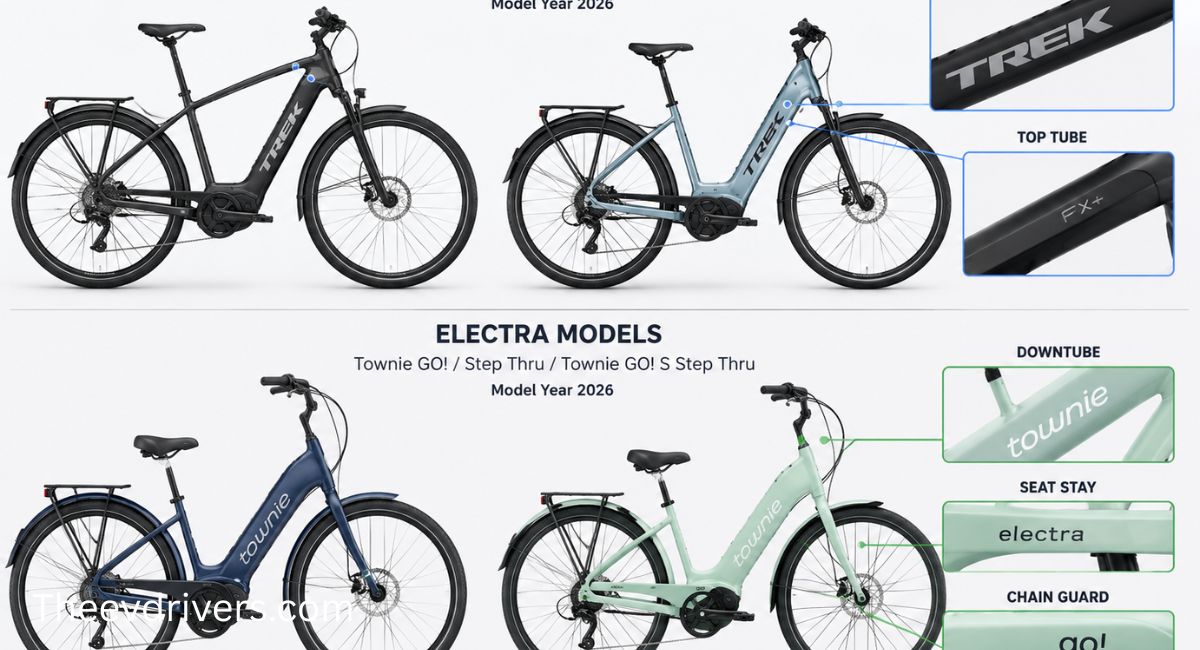
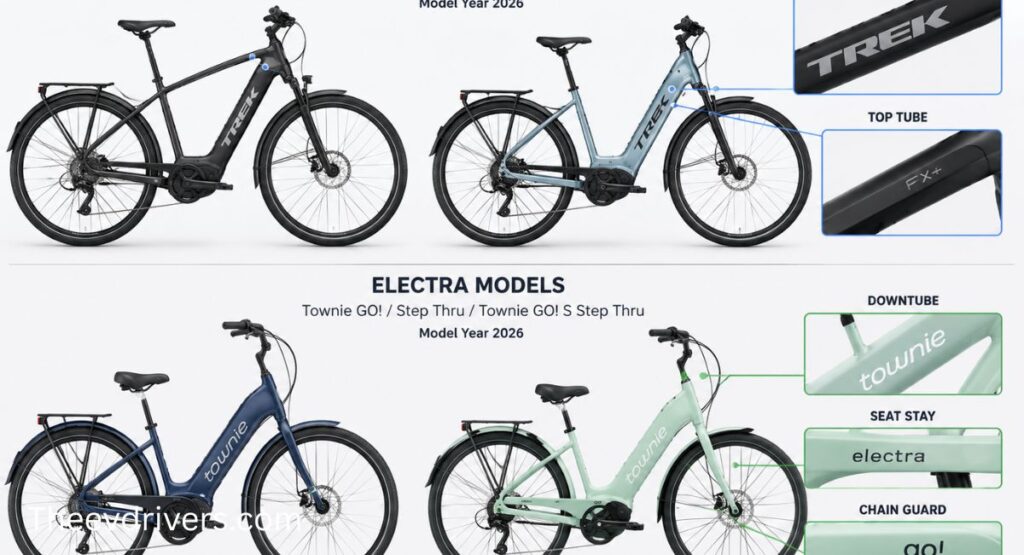
Trek and Electra recalled nearly 19,890 e-bikes in January over rear wheel bolts that could loosen and let the wheel detach during riding, a purely mechanical failure mode.
Specialized issued a voluntary recall for several Turbo e-bike models after identifying a chain guard issue capable of catching loose clothing and posing a fall risk, again unrelated to any electrical or battery system.
Why Battery Coverage Overshadows Mechanical Recalls
Lithium-ion battery fires generate dramatic footage and produce serious injuries when they occur, which understandably drives more media coverage than a bolt loosening over time. That coverage imbalance shapes what riders think to check.
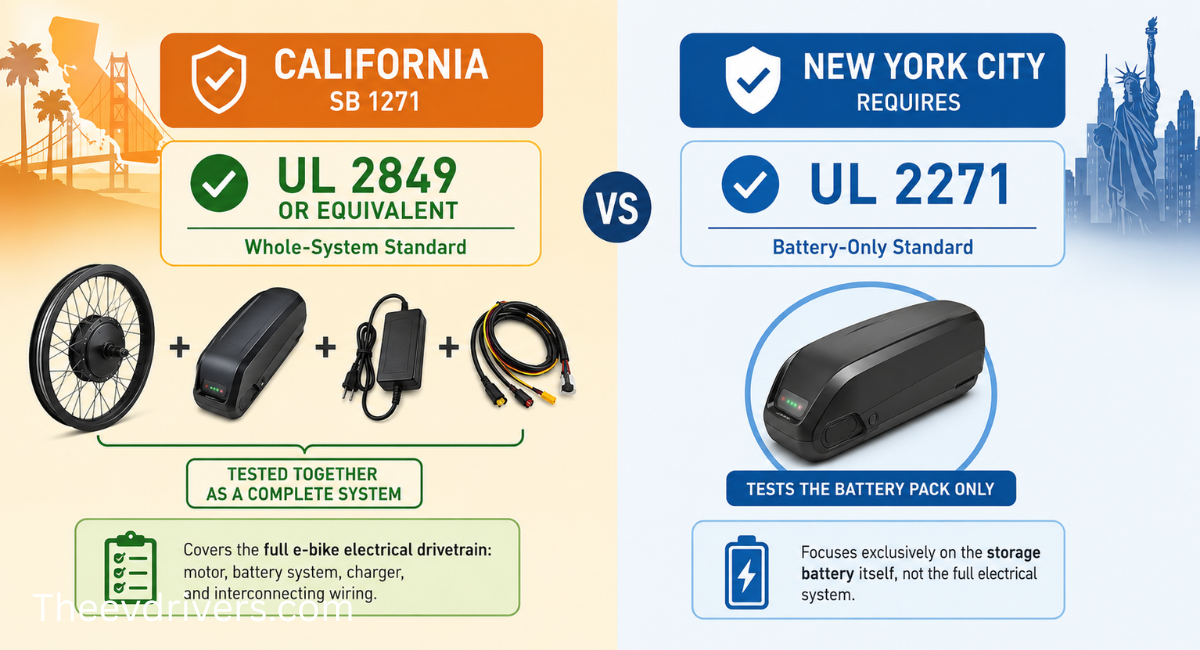
A rider focused exclusively on battery certification, such as confirming UL 2849 or UL 2271 compliance, can still own a bicycle with an undetected mechanical defect that certification standard was never designed to catch.
Technician’s Note: Periodically inspect wheel bolts, chain guards, and folding mechanisms for looseness or wear, separate from any battery-focused safety check. Mechanical fasteners loosen gradually through normal vibration and use, regardless of how well-certified the battery system is.
What Ties These Recalls Together
Every recall this year involved a component subject to repeated mechanical stress: bolts under vibration, a chain guard near moving parts, a folding hinge under repeated cycling. None involved a defect a battery certification standard would have caught.
Segway’s recall affecting roughly 220,000 Ninebot Max G30P and G30LP scooters centered on a folding mechanism that could unexpectedly fail during use, another purely mechanical failure point separate from the electrical system entirely.
What A More Complete Safety Check Actually Looks Like
Checking a manufacturer’s recall page periodically, using either the CPSC’s recall database or the bike’s serial number directly through the manufacturer’s site, catches issues a battery-only safety mindset misses entirely.
Registering a new e-bike purchase directly with its manufacturer ensures direct recall notification going forward, rather than relying on remembering to check periodically, since notification timing can matter for a genuine safety issue.
Common Questions About 2026 E-Bike Recalls
Were any major 2026 e-bike recalls caused by battery problems?
The most publicized 2026 recalls, including Trek/Electra’s wheel bolt issue, Specialized’s chain guard recall, and Segway’s folding mechanism recall, all involved mechanical defects, not battery or charging system failures.
Does UL 2849 or UL 2271 battery certification protect against mechanical defects like these?
No. Those standards test electrical and battery system safety specifically. A mechanical defect in a wheel bolt, chain guard, or folding mechanism falls outside what battery certification standards are designed to catch.
How can a rider check if their e-bike or scooter has an active recall?
Checking the CPSC’s public recall database directly, or registering a purchase with the manufacturer for automatic notifications, catches both mechanical and battery-related recalls more reliably than relying on general news coverage.