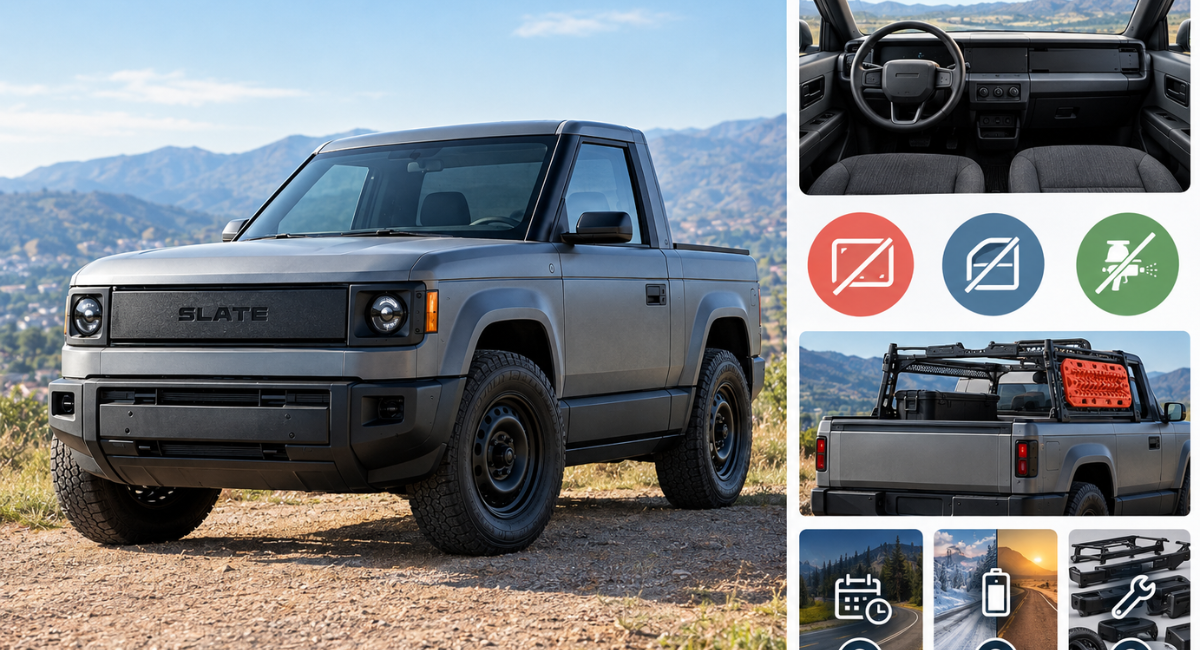






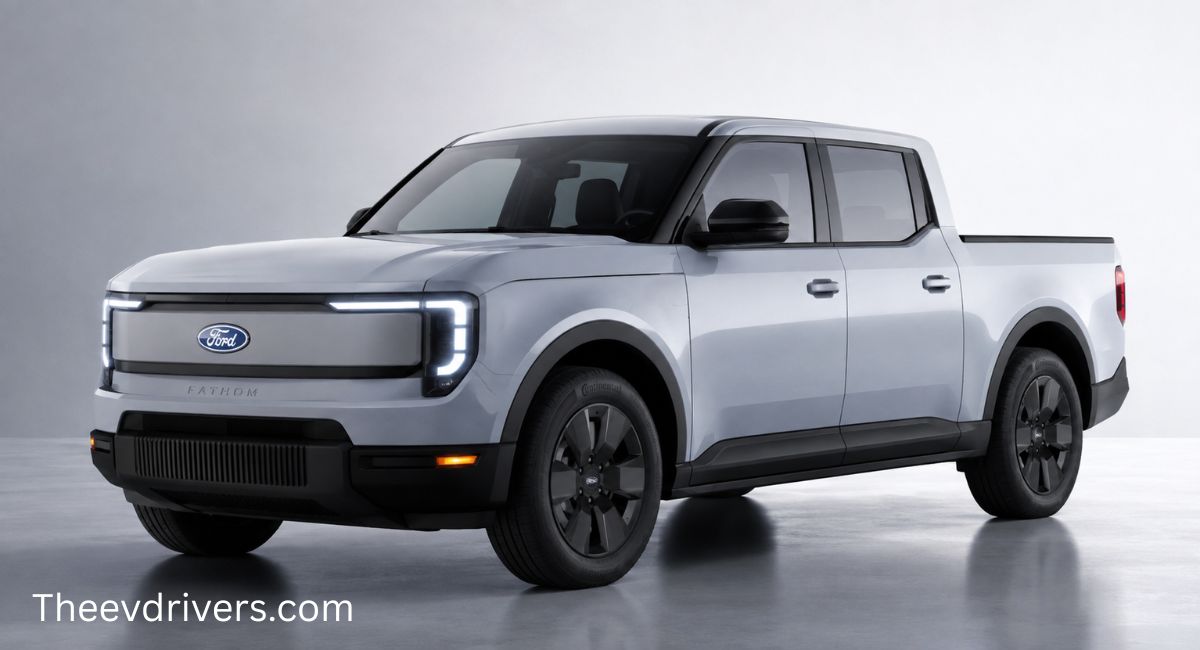
Ford’s Fathom pickup has already generated dozens of headlines, built entirely from a specification sheet and a camouflaged prototype spotted on public roads. Not one outlet has driven it yet. That gap between coverage volume and actual hands-on testing is happening across the industry right now, and readers rarely see the label that would clarify it.
What’s Actually Happening With Fathom Coverage Right Now
Every current Fathom article describes a specification sheet, a price, and a truck spotted in camouflage on public roads in Long Beach and Michigan. No outlet has driven the vehicle, since Ford has not yet made a drivable unit available to media.
That distinction matters because spec-sheet coverage and hands-on testing produce very different confidence levels, even when both get published under similar-sounding headlines describing the vehicle in detail.
The Three Tiers Of Vehicle Coverage
Spec-sheet coverage reports manufacturer-provided numbers and features without any hands-on interaction, the tier all current Fathom coverage sits in. A first drive adds limited hands-on time, usually on a manufacturer-organized route emphasizing the vehicle’s strengths.
A full review sits above both: extended time with a production vehicle, typically a week or more, covering daily usability, real-world range, and problems that only surface after repeated use, not a single day’s impression.
Technician’s Note: Check whether a review discloses how long the reviewer actually spent with a vehicle and under what conditions. A review that omits this detail entirely deserves more skepticism than one that states it plainly.
Why This Distinction Gets Blurred So Often
Publication incentives push toward covering a highly anticipated vehicle as early and often as possible, since search interest peaks around an announcement regardless of whether hands-on testing exists yet.
That incentive does not make spec-sheet coverage dishonest, but it does mean a reader treating every published article about a vehicle as equally verified information risks forming conclusions the coverage itself cannot support yet.
What A Reader Should Actually Do With Early Coverage
Treating spec-sheet coverage as a preview of manufacturer claims, rather than confirmed vehicle performance, keeps expectations accurate until hands-on testing exists. That applies directly to current Fathom and future Bentley EV coverage alike.
Waiting for a genuine full review, ideally from more than one independent outlet, before making a purchase decision protects against the gap between an announced spec sheet and how a vehicle actually performs once it reaches real owners.
Common Questions About First Drive Vs. Full Review Coverage
Has any outlet actually driven the Ford Fathom yet?
No, as of current coverage. All published Fathom articles describe manufacturer specifications and camouflaged prototypes spotted on public roads. Ford has not yet made a drivable unit available to media for testing.
What’s the difference between spec-sheet coverage and a first drive?
Spec-sheet coverage reports manufacturer numbers with no hands-on interaction. A first drive adds limited hands-on time, usually on a manufacturer-organized route, but still falls short of the extended testing a full review provides.
Why does it matter whether coverage is a full review or just a spec sheet?
A full review reflects extended real-world testing, while spec-sheet coverage reflects manufacturer claims alone. Treating both as equally verified risks forming purchase conclusions the earlier coverage tier cannot actually support.