Volkswagen’s latest ID.4 recall points to thermal propagation as the specific failure mechanism. That term shows up in nearly every major EV battery recall, but rarely gets explained. Understanding what it actually means helps separate a genuine safety risk from routine recall caution.
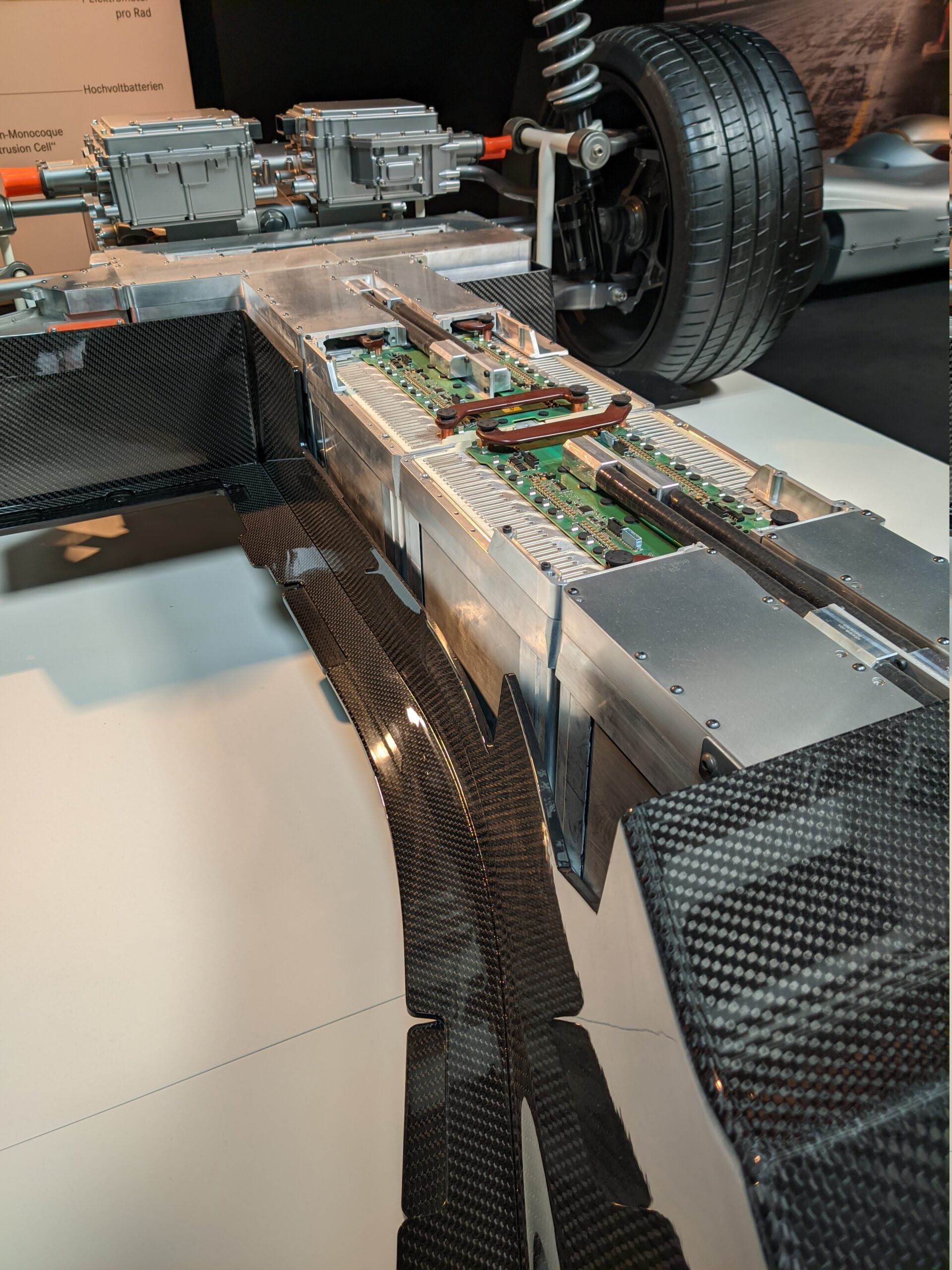
What Thermal Propagation Actually Means
A battery pack contains hundreds or thousands of individual cells packed closely together. Thermal propagation describes one cell overheating and triggering a chain reaction in neighboring cells. VW’s own recall filing to NHTSA specifically names this mechanism as the risk behind its 80% charge advisory.
The initial trigger can come from several sources: a manufacturing defect, physical damage, or in VW’s case, a specific charging profile combined with high state of charge. Once one cell enters thermal runaway, propagation describes how that heat spreads to adjacent cells.
Why State Of Charge Matters So Much
A battery at high state of charge holds more stored energy, which raises the severity of any thermal event that does start. This is why so many battery recalls include an interim charge-limit advisory rather than demanding a vehicle stop driving entirely.
Limiting charge to 80% specifically reduces stored energy without grounding the vehicle. That makes it a genuinely useful interim measure, not just a symbolic gesture, while a permanent hardware or software fix gets developed.
Technician’s Note: A charge-limit advisory following a thermal propagation recall like VW’s is worth following precisely, not treating as optional caution. The specific percentage threshold reflects real engineering analysis of when risk meaningfully increases.
How Automakers Actually Prevent Propagation
Battery pack design includes physical barriers and thermal management specifically to slow or stop propagation between cells. Cooling systems, cell spacing, and fire-resistant materials between modules all play a role. A propagation-related recall usually means one of these safeguards did not perform as designed.
Software also plays a growing role in prevention. Battery management systems can detect early warning signs, like unusual temperature or voltage patterns, and limit charging or alert a driver before a full thermal event develops.
Common Questions About Thermal Propagation In EV Batteries
Does a thermal propagation recall mean a vehicle is unsafe to drive?
Not necessarily unsafe to drive, but it does mean following any interim advisory, like a charge limit, matters. Automakers typically allow continued driving under specific precautions while a permanent fix is developed, rather than demanding vehicles stop operating.
Why do so many EV battery recalls include an 80% charge limit specifically?
Battery energy stored at high states of charge increases the severity of any thermal event that does occur. An 80% limit reduces that stored energy meaningfully without requiring a vehicle to stop driving, making it a common interim risk-reduction measure.
Can thermal propagation happen in any EV battery, regardless of brand?
In principle, yes, since all lithium-ion battery packs carry some theoretical risk. Pack design, cell quality, and thermal management vary significantly between manufacturers, which is why propagation-related recalls affect some brands and models more than others.