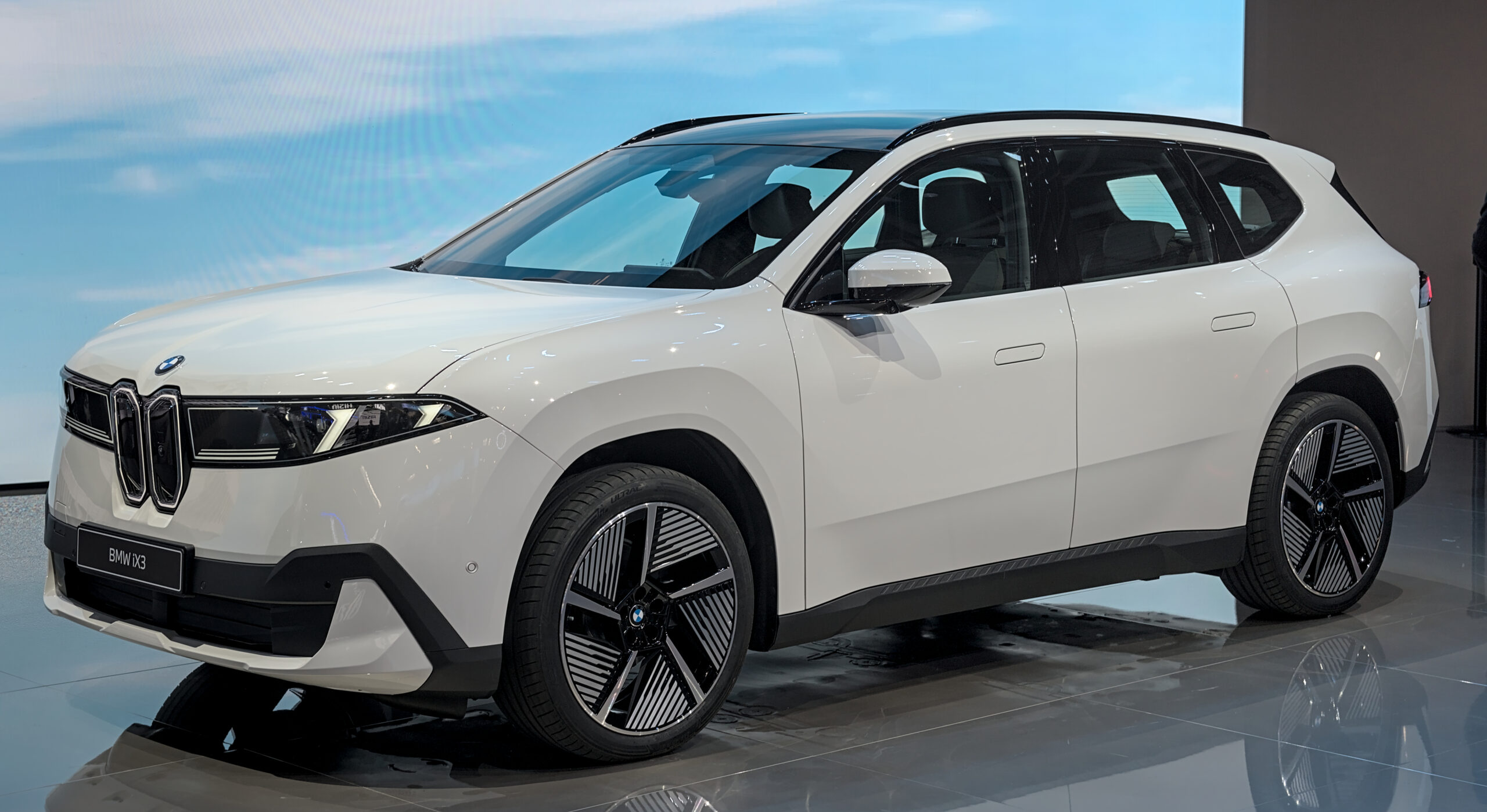
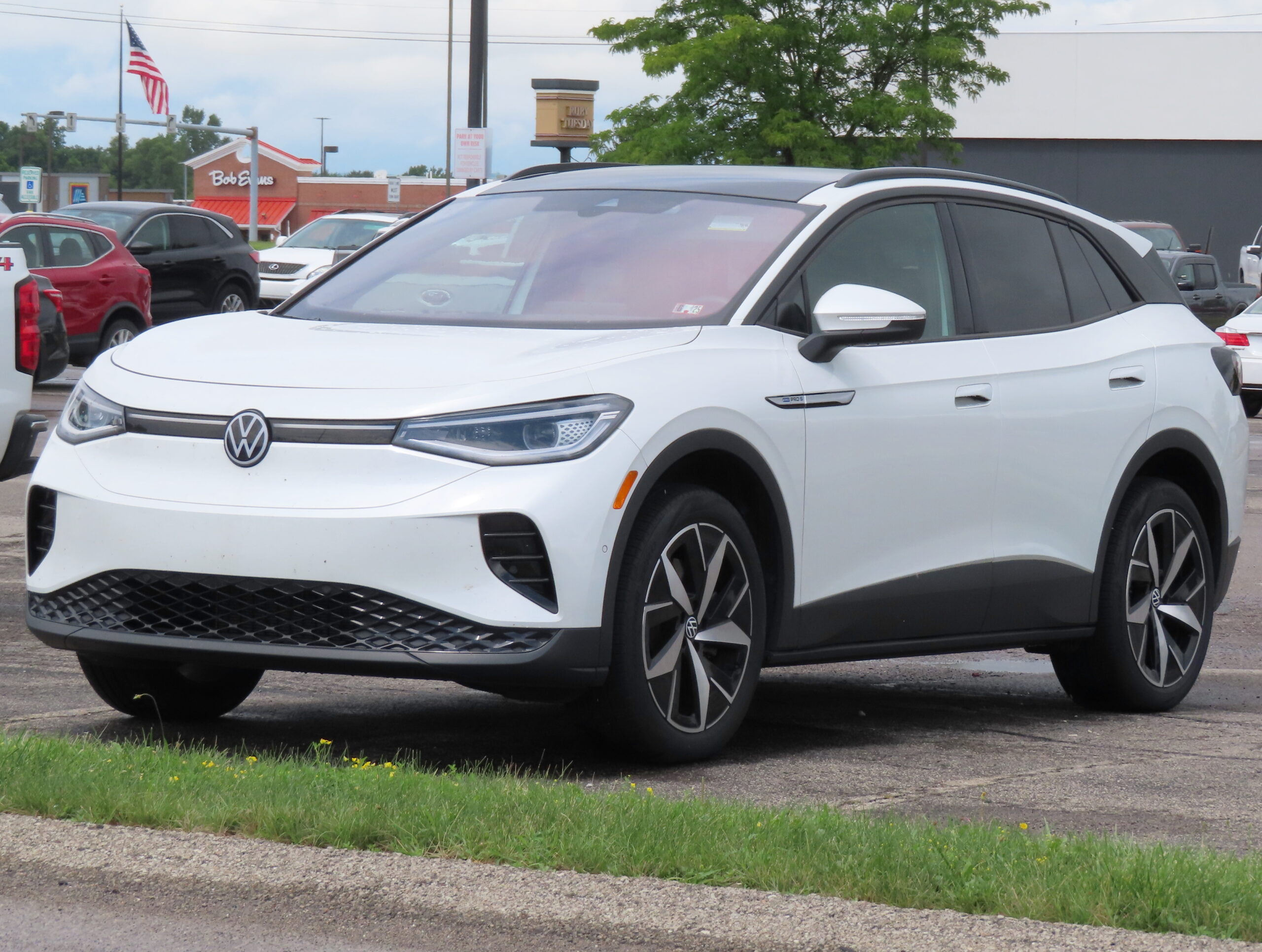
Stellantis will halt production at four French plants this October. The pause runs five to 15 days depending on the specific site. Sochaux carries the longest shutdown, tied directly to limited battery availability for long-range EVs. That detail separates this story from the usual automaker-struggles coverage. A battery supply constraint, not weak demand or a labor dispute, is the actual trigger here.
Table of Contents
What Stellantis Actually Announced
Four French plants will pause production for part of October 2026. Shutdown length varies by site, running five to 15 days total. Sochaux faces the longest pause among the four affected plants.
Stellantis tied the Sochaux shutdown specifically to limited battery availability. That shortage affects long-range EV variants built at the site. Poissy, a separate plant, will instead adjust output to match current demand levels.
Why This Differs From The Usual Automaker Struggles Story
Most production-halt headlines this year point to soft EV demand. This shutdown points somewhere else entirely. Stellantis specifically named battery supply as the Sochaux constraint, not a sales slowdown.
A supply-side bottleneck signals something different than weak orders. Battery cell production capacity remains a real constraint across the industry broadly. Automakers planning long-range EV volume still depend on cell supply actually keeping pace.
That distinction matters for how seriously to weigh this news. Demand-driven halts often signal deeper strategic trouble ahead. A supply-driven pause can resolve once a specific bottleneck clears.
Technician’s Note: Track whether a production halt gets attributed to demand or supply before drawing conclusions. Those two causes point toward very different outcomes for a model’s future availability and pricing.
What This Means For Long-Range EV Buyers
A battery-driven production pause can delay specific long-range trim deliveries. Buyers waiting on a long-range variant from an affected plant may see longer timelines. Standard-range trims sourced from different battery supply lines face less direct exposure.
This kind of shortage rarely stays isolated to one automaker for long. Stellantis has moved quickly on other infrastructure commitments this year already. Watching whether the shortage spreads to other European plants is worth tracking into November.
Common Questions About The Stellantis Plant Shutdown
Is the Stellantis shutdown caused by weak EV sales demand?
No. Stellantis specifically attributed the Sochaux shutdown to limited battery availability for long-range EVs, not soft demand. Poissy’s separate output adjustment responds to demand, making the two plants’ situations genuinely different.
How long will the four affected French plants stay paused?
Shutdown length varies by specific site, running five to 15 days in October 2026. Sochaux faces the longest pause among the four plants, tied directly to its long-range battery supply constraint.
Will this battery shortage delay long-range EV deliveries for buyers?
Likely for specific long-range trims sourced from the affected supply line. Standard-range variants built from different battery sources face less direct exposure. Confirm current delivery timelines directly with a dealer for a specific trim.