Two different Supercharger experiences now exist on the same network. A true Tesla Supercharger runs under Tesla’s own pricing and app. A new EVgo-owned stall, built by Tesla under October’s hardware deal, runs under EVgo’s system instead. Both use similar hardware. What actually happens when a driver pulls up differs more than most coverage of this deal has explained.
Table of Contents
Ownership: The Core Difference
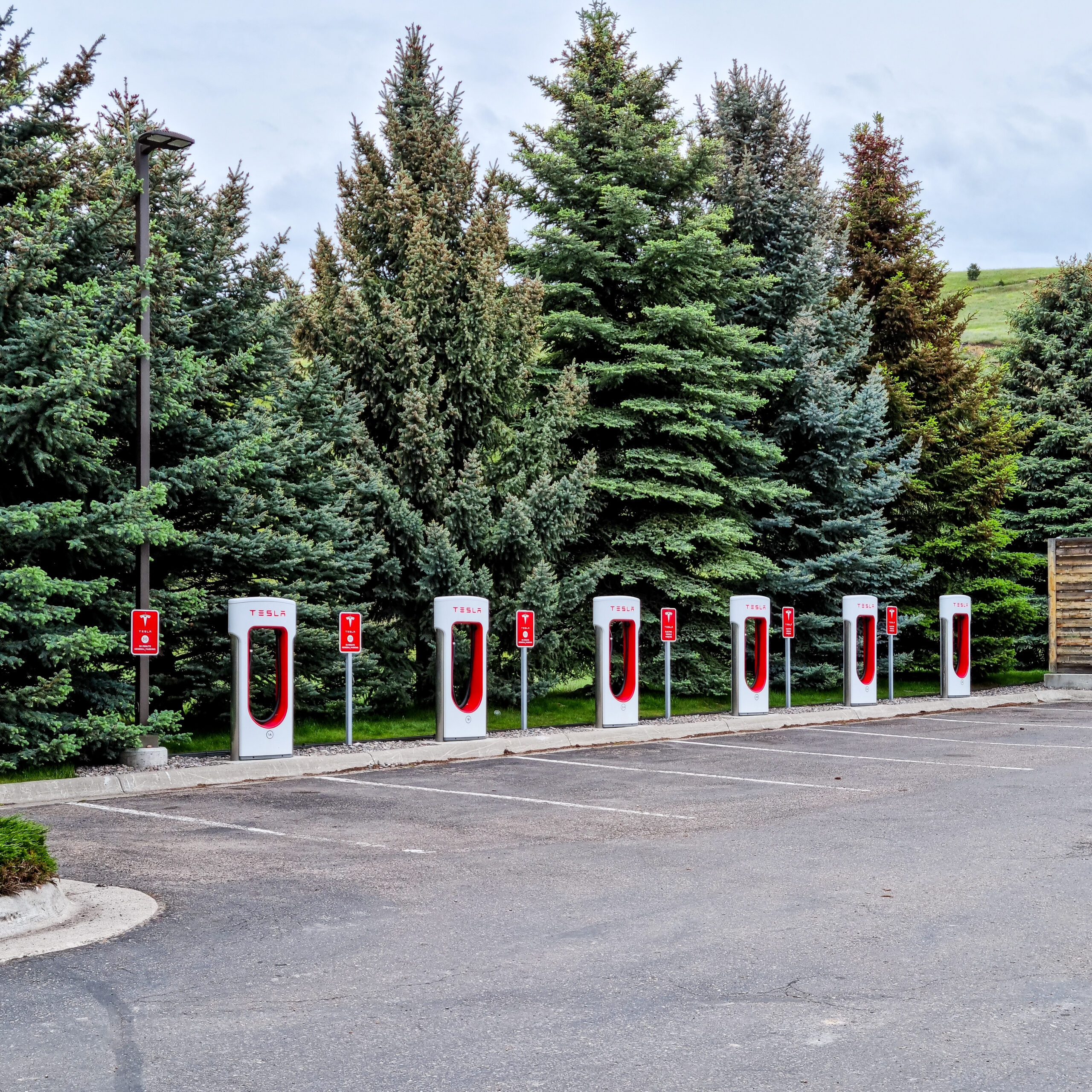
A true Tesla Supercharger belongs to Tesla from construction through daily operation. Tesla’s own network passed 85,000 stalls in October 2026 under that model. Tesla sets pricing, runs the app, and collects every session’s revenue directly.
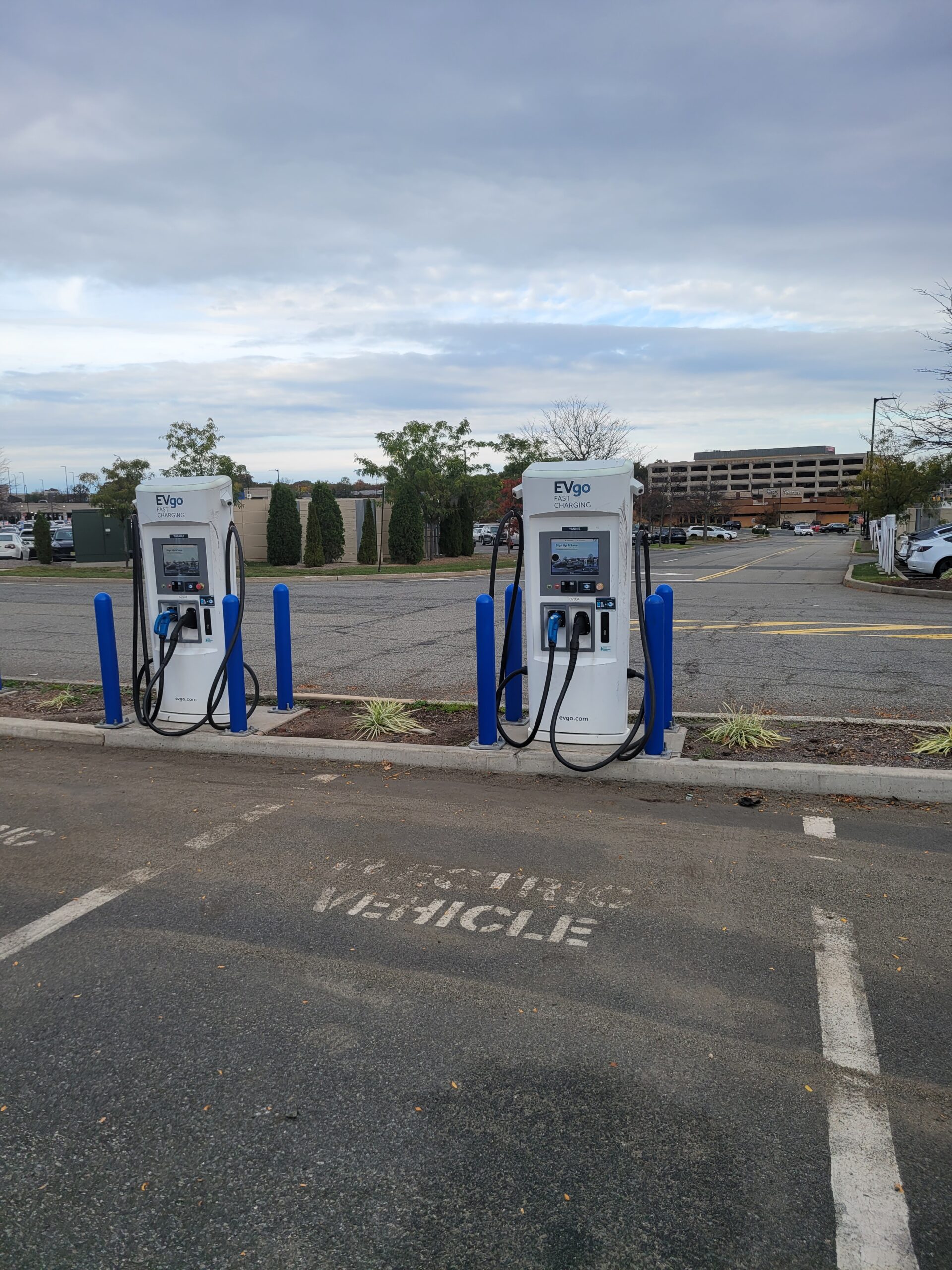
An EVgo-owned, Tesla-built stall flips that structure entirely. Tesla manufactures and installs the hardware under its new deal with EVgo. EVgo owns the finished station and keeps the revenue instead.
Neither station type announces this difference clearly on-site. A charging post looks similar whether Tesla or EVgo actually owns it. That ambiguity is exactly why this distinction deserves explanation.
Pricing And App: What A Driver Actually Sees
A true Supercharger bills through the Tesla app automatically for most vehicles. Non-Tesla drivers may need the Tesla app or a card reader instead. Pricing follows Tesla’s own published rate structure at that specific site.
An EVgo-owned stall bills through EVgo’s own app and membership system. EVgo’s existing loyalty tiers and subscription plans apply there fully. A Tesla account membership carries no special status at an EVgo-owned location.
Technician’s Note: Check which app a specific charging stop actually requires before arrival, not just which company built the hardware. Network branding at the physical site is the reliable signal, not equipment origin.
Reliability And Hardware Generation
A true Supercharger’s hardware generation varies by site age. Older V2 and V3 cabinets still mix with newer V4 units network-wide. Site age, not ownership, determines which generation a driver actually encounters.
An EVgo-owned, Tesla-built stall should carry current Tesla-grade hardware by default. That consistency is one real advantage EVgo gains from this specific deal. EVgo’s own maintenance standards still govern actual day-to-day upkeep, though.
Which One Actually Matters For Trip Planning
Route-planning software increasingly treats both station types as interchangeable stops. That convenience hides the real account and pricing differences underneath. Checking the specific network badge before arrival avoids a confusing first visit.
Membership value matters more than badge loyalty for frequent travelers. A driver with an EVgo subscription may find EVgo-owned stalls cheaper outright. A Tesla owner with included credits likely prefers true Supercharger stops instead.
Common Questions About Tesla Versus EVgo-Owned Stalls
Can a Tesla Supercharger membership get a discount at an EVgo-owned stall?
No. EVgo-owned, Tesla-built stalls run entirely under EVgo’s own pricing and membership system. A Tesla account’s included credits or membership tier carries no special status at these specific locations.
How can a driver tell which type of stall they’re pulling up to?
Site branding and signage remain the reliable signal, not the physical hardware. A true Tesla Supercharger displays Tesla branding and bills through Tesla’s app. An EVgo-owned stall shows EVgo branding and bills through EVgo’s app.
Does Tesla-built hardware guarantee the same charging speed at both station types?
Not automatically. Hardware generation and site-specific power limits still determine actual charging speed. A true Supercharger site may run older V2 or V3 cabinets, while a new EVgo-owned stall likely runs current-generation hardware.