

As 2026 model-year e-bikes reach showrooms, marketing decks lean hard on apps and screens. Buyer behavior tells a different story. Return and complaint data across bike shops point toward one pattern. Battery failures and worn brake components drive most warranty claims, not missing software features. Riders increasingly choose components that hold up over gadgets that impress briefly. That shift reshapes what a smart buying decision looks like this year.
What This Year’s Coverage Keeps Missing
Most 2026 e-bike roundups lead with screen size, app integration, and connectivity extras. Those features photograph well and fill a spec sheet fast. They rarely explain why a bike survives three years of daily commuting.
Shops that handle warranty claims see a different pattern emerge. Battery degradation, brake pad wear, and motor sensor failures make up a large share of service visits, based on common repair-shop experience. App glitches rank far lower on that list.
Where Durability Beats Feature Lists
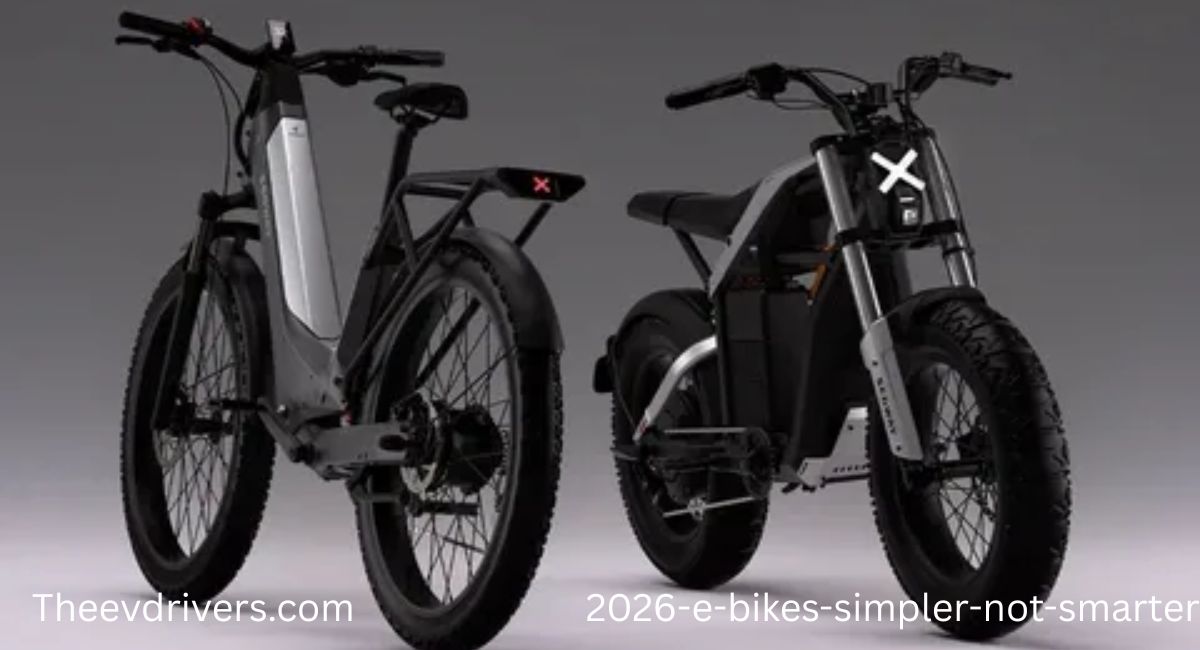
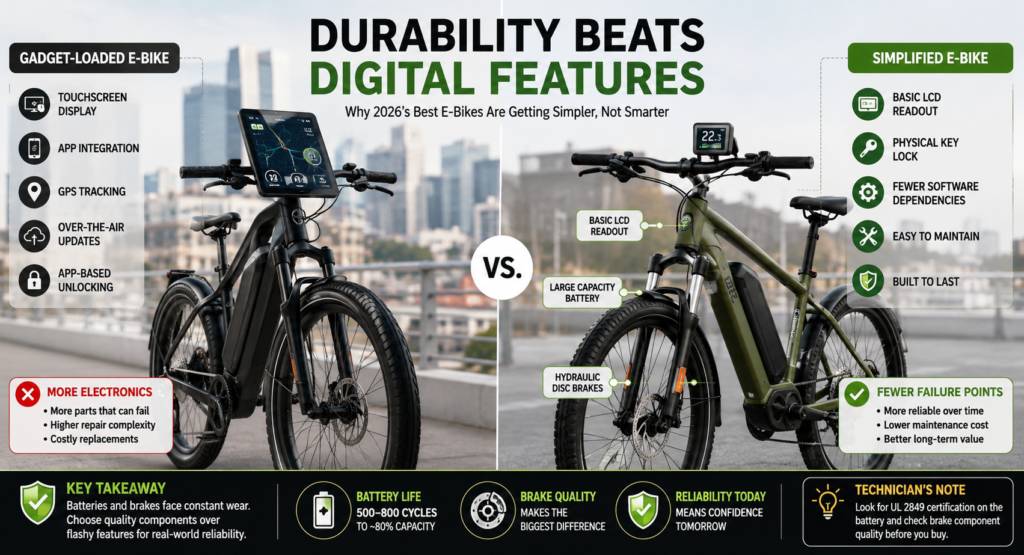
A gadget-loaded e-bike often means a color touchscreen, built-in navigation, and a ride-tracking app. Those additions raise the number of parts that can fail. A simpler model skips the screen. It keeps the display to a basic readout of speed and battery level. Fewer electronic components mean fewer failure points over years of use.
The practical difference shows up in daily ownership:
– Gadget-loaded bikes: touchscreen displays, app-based unlocking, GPS tracking, over-the-air updates
– Simplified bikes: basic LCD readout, mechanical lock, physical key, fewer software dependencies
Battery And Brake Reliability Decide Real-World Trust
Battery packs and brake systems face constant wear, unlike a touchscreen that mostly sits idle. Lithium battery packs degrade with charge cycles, heat, and age. That happens regardless of how advanced the surrounding electronics look.
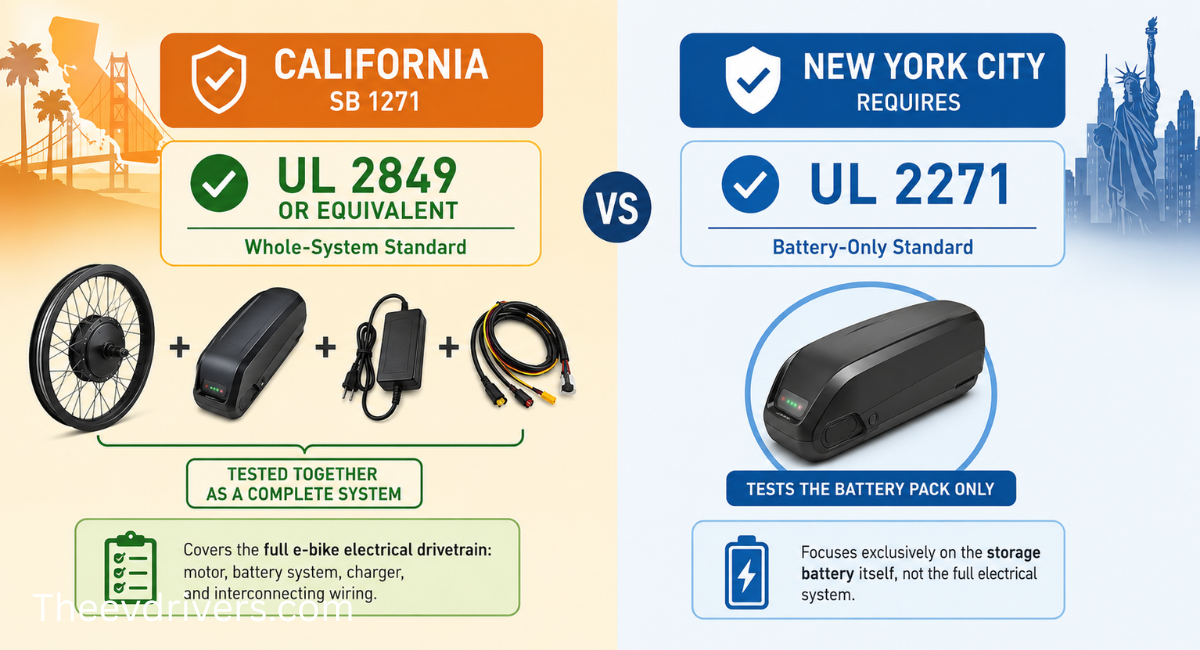
Technician’s Note: Confirm a battery pack carries UL 2849 certification or an equivalent listing before buying. That standard covers the full electrical system, not just the battery cells. It is the detail most linked to fire risk.
Manufacturers commonly rate quality lithium packs for 500 to 800 charge cycles. Most target roughly 80% capacity remaining at that point. The exact figure varies by cell chemistry and brand. Asking a dealer for that number beats accepting a vague marketing claim.
Brake components wear at a rate tied to mileage and conditions. Firmware version has nothing to do with it. A bike with reliable brakes holds real value, even without a single connected feature.
What Simpler Actually Means On A 2026 Model
Simpler does not mean underpowered or cheaply built. Several 2026 models drop the touchscreen and app requirement. They keep a strong motor, a larger battery, and upgraded brakes instead. The savings from cutting software development get redirected into mechanical components instead.
Technician’s Note: When comparing similarly priced models, check the brake caliper material first. Also check the battery cell brand in the spec sheet. Those two line items predict long-term reliability better than any screen feature.
What To Ask Before Buying A 2026 Model
A short pre-purchase checklist protects against paying for gadgets nobody uses. Ask whether the brake pads and rotors use common, replaceable parts. Avoid parts locked to one brand’s proprietary design. Confirm the battery pack ships with a written cycle-life rating, not just a mileage estimate.
Test the brakes on a hill or a hard stop before finalizing any purchase. A brake system that bites firmly under load matters more than any onboard display.
Does a screen make an e-bike more trustworthy? For most riders, the answer has little to do with pixels. It has everything to do with what happens once the battery reaches year three.
Common Questions About Simpler E-Bikes In 2026
Why do so many 2026 e-bike reviews focus on app features instead of durability? App features photograph well and fill spec sheets quickly, making for easy comparisons. Reliability differences only show up after months of ownership, which most reviews do not track, so coverage defaults to specs visible on day one.
Does skipping a touchscreen mean a 2026 e-bike is lower quality? Not necessarily. Several 2026 models drop the screen and app requirement while investing that savings into stronger motors, larger batteries, and upgraded brake components, prioritizing mechanical reliability over digital extras many riders rarely use.
a 2026 e-bike? Request the battery’s rated cycle life, typically 500 to 800 charge cycles before capacity drops to roughly 80%. That figure predicts long-term ownership cost better than any advertised screen size or app feature list.