


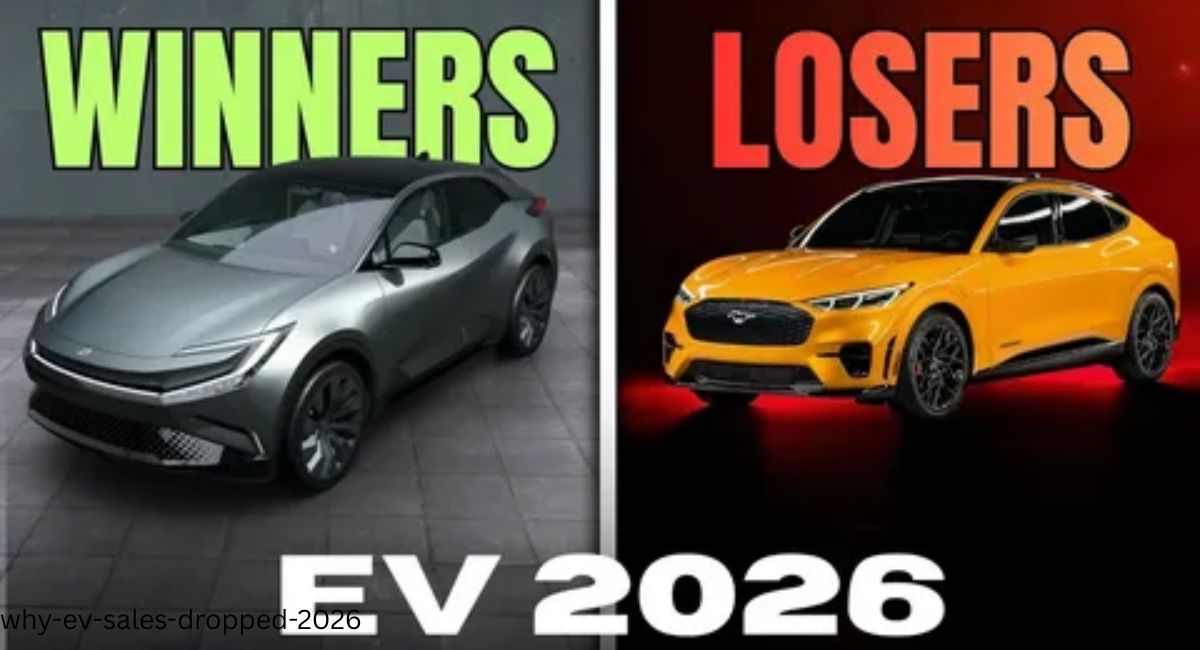
New EV sales fell sharply in the first quarter of 2026, a drop steep enough to reshape production plans at several automakers. Most headlines pointed to one cause: the expired federal tax credit. That is real, but it is only one piece of a larger shift involving financing costs, pricing, and leftover inventory.
The Tax Credit Was The Trigger, Not The Whole Story
The federal EV tax credit ended September 30, 2025, after being cut short by the One Big Beautiful Bill Act. Buyers rushed to close deals before the deadline, producing an artificial sales spike in the third quarter of 2025. The quarters that followed then looked weak by comparison, partly because so much demand had already been pulled forward.
That pattern alone explains part of the early-2026 decline. It does not explain all of it, since sales stayed soft even months after the initial rush faded.
Financing Costs Changed The Monthly Payment Math
Auto loan interest rates remained elevated through early 2026, and EVs tend to carry higher average transaction prices than comparable gas vehicles. A higher rate applied to a higher price compounds into a materially larger monthly payment. Losing the $7,500 point-of-sale discount on top of that combination pushed some buyers who were on the fence back toward a gas vehicle or a hybrid instead.
Technician’s Note: Anyone comparing an EV loan quote to a prior gas-vehicle purchase should recheck the total finance charge, not just the sticker price difference. A slightly higher rate on a larger loan amount can erase more savings than most buyers expect over a five- or six-year term.
Model-Year Pricing And Inventory Piled Up At The Same Time
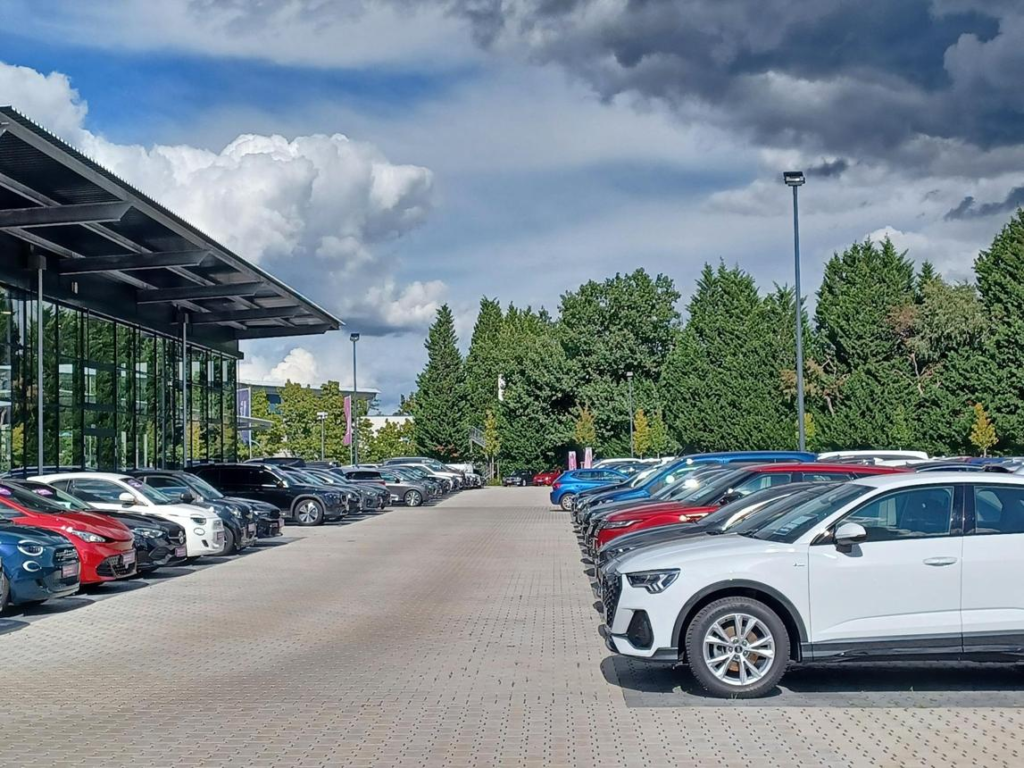
Dealer lots carried a noticeably higher supply of unsold EVs than gas vehicles through early 2026, a gap that pressures automakers to cut production or offer their own discounts to move inventory. Some manufacturers responded by canceling or delaying planned EV models, while others leaned harder into manufacturer-funded incentives to replace the lost federal credit.
Tariff-related cost pressure added a separate complication. Rising input costs pushed some new-vehicle prices upward industry-wide in the same window, working against any manufacturer discount aimed at offsetting the lost credit.
Not Every Automaker Felt The Drop Equally
The sales decline hit established multi-model brands harder than automakers with a narrower, more affordable EV lineup. A brand selling one or two well-optimized, competitively priced models weathered the shift better than brands spreading incentive budgets across many EV nameplates at once. That divergence shows the drop was not purely about EVs losing appeal broadly. It reflects how exposed each automaker’s specific pricing and lineup was to losing federal support.
What This Means Going Forward
None of this means the EV transition stalled entirely. Used EV demand rose in the same period, as buyers priced out of new models found comparable value in the secondary market instead. Quarterly sales also showed early signs of stabilizing later in 2026 as automakers adjusted pricing and incentives to the new, subsidy-free real will.

Common Questions About The Early-2026 EV Sales Drop
Was the tax credit expiration the only reason EV sales fell? No. It triggered the decline, but elevated financing rates, rising EV inventory, and tariff-driven price pressure all contributed. Sales stayed weak for months after the initial post-deadline rush faded, pointing to causes beyond the credit alone.
Why did some automakers see steeper EV sales drops than others? Brands with narrower, more affordable EV lineups generally held demand better than brands spreading incentive spending across many models. Automakers already facing high per-unit costs or slower-selling models felt the loss of federal support more severely.
Did the sales drop mean fewer people wanted to buy EVs overall? Not entirely. Used EV demand rose in the same window, showing buyers shifted toward value rather than abandoning EVs. New-vehicle sales also showed early signs of leveling off later in 2026 as pricing adjusted to the post-credit market.