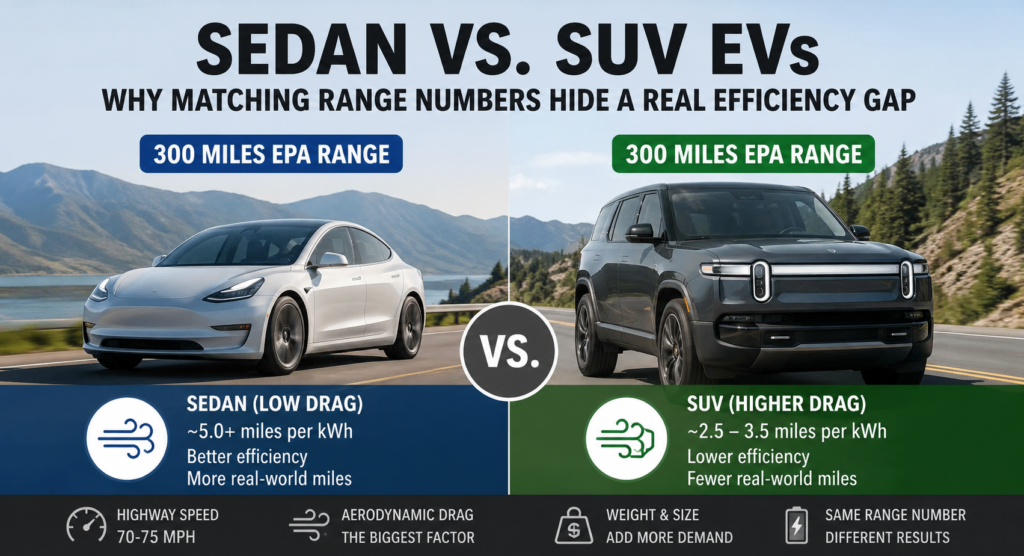




Summer highway season is when EPA range ratings get tested hardest, at sustained speed with the air conditioning running. Two EVs can share an identical 300-mile window-sticker rating and still behave very differently once cruise control locks in at 75 mph. The difference lives in body shape, not battery size, and most spec-sheet comparisons never mention it.
The Shape Problem Spec Sheets Ignore
A sedan’s low roofline and tapered rear end cut through air with far less resistance than a boxy SUV pushes aside. That resistance, measured as a drag coefficient, rises sharply as speed increases. At city speeds the difference barely registers. At sustained highway speed, aerodynamic drag becomes the dominant force draining the battery, more than rolling resistance or motor efficiency combined.
This is why a sedan and an SUV with matching EPA range numbers can post noticeably different real-world highway results. The EPA’s combined rating blends city and highway driving, and EVs tend to run more efficiently in stop-and-go city conditions. That blend can mask a highway-specific weakness that only shows up once a driver leaves town.
Comparing The Real Numbers
Efficiency is measured in miles per kilowatt-hour, the EV equivalent of miles per gallon. Aerodynamic sedans commonly reach figures at or above five miles per kWh. Boxier SUVs and three-row crossovers typically land closer to two-and-a-half to three-and-a-half miles per kWh, even with a larger battery pack offsetting some of that gap on paper.
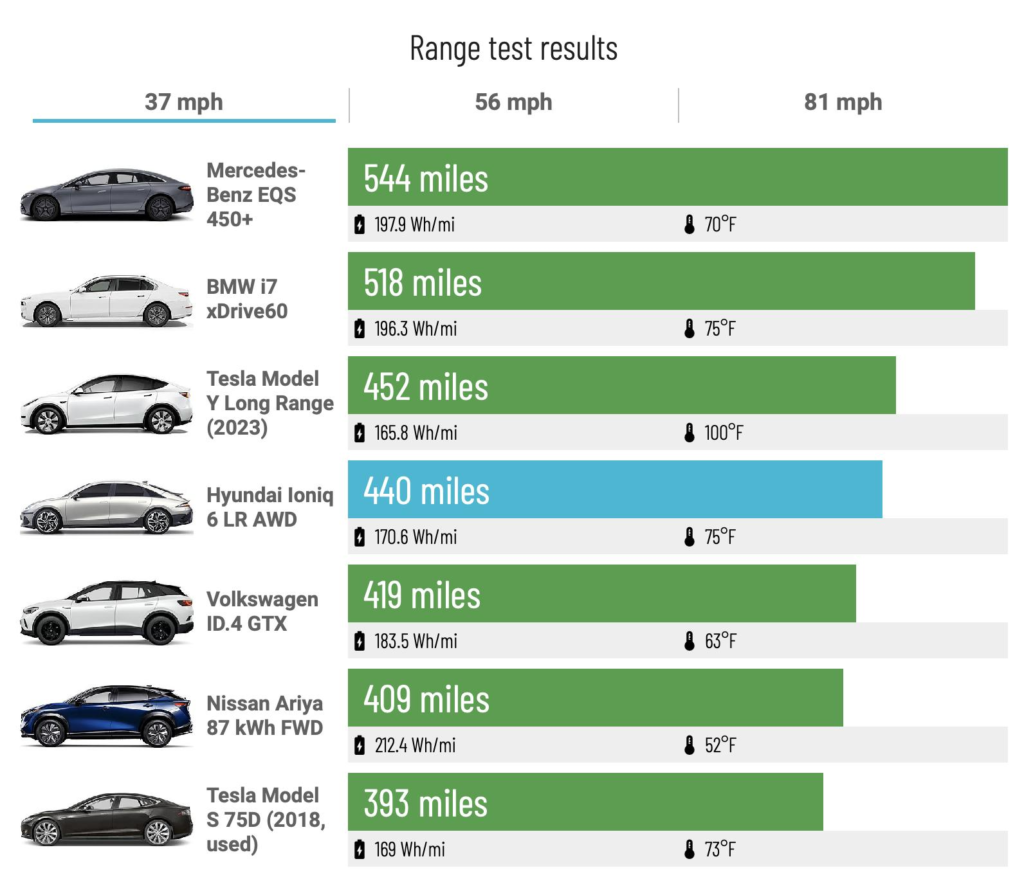
Independent highway testing has shown some EVs losing over 10% of their EPA-rated range at a steady 70 to 75 mph, while others come close to matching their rating. The pattern skews consistently toward sedans and lower-riding crossovers outperforming taller, boxier SUVs at the same speed.
Technician’s Note: When comparing two EVs with similar EPA numbers, check each one’s highway-specific range figure through the EPA’s fuel economy database rather than relying on the combined sticker number. That single lookup often reveals a 10 to 15% swing between otherwise similar-looking vehicles.
Weight And Frontal Area Compound The Gap
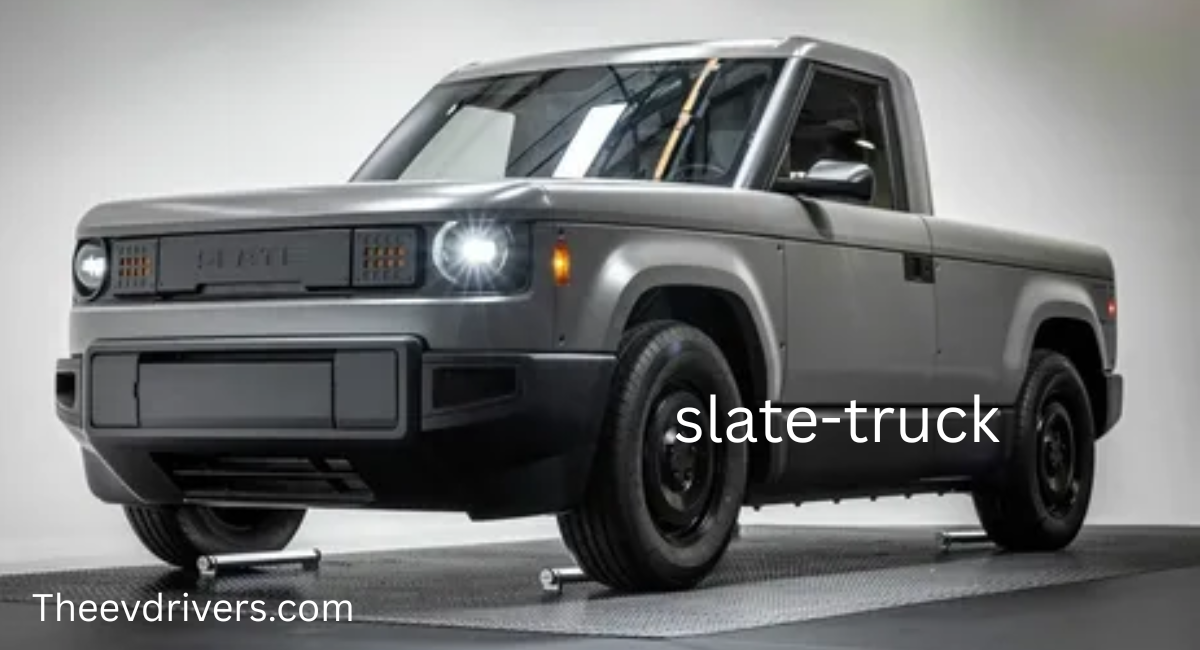
Body shape is not the only factor working against SUVs. A taller vehicle presents more frontal area to the wind, and a heavier curb weight demands more energy to accelerate and to climb grades. Three-row SUVs and electric pickups carry both penalties at once, which is why some of the largest EPA-to-highway range gaps show up in that segment specifically.
None of this makes SUVs a poor choice outright. Cargo space, seating capacity, and towing ability matter more than efficiency for plenty of buyers, and modern high-voltage charging architecture can offset some of the highway range penalty by recharging faster during stops.
What This Means When Cross-Shopping
Buyers comparing a sedan and an SUV with matching window-sticker range should treat that number as a starting point, not a final answer. Checking each vehicle’s separate highway-cycle figure, where automakers publish it, gives a clearer picture of what a road trip will actually look like. Cold weather compounds the gap further, since both body types lose additional range once temperatures drop, though SUVs with more cabin volume to heat often lose slightly more.
Common Questions About EV Range And Body Shape
Why do two EVs with the same EPA range number perform differently on the highway? The EPA combined rating blends city and highway driving, and EVs are typically more efficient in the city portion. A boxier SUV’s higher drag penalty shows up mainly at highway speed, which the combined number can obscure.
Does a bigger battery pack cancel out an SUV’s aerodynamic disadvantage? Only partly. A larger pack adds raw energy capacity, but it also adds weight, which increases the energy needed to move the vehicle. The efficiency penalty from shape and weight often outweighs the benefit of extra capacity.
Is there a way to check highway-specific range before buying? Yes. The EPA’s fuel economy database lists separate city and highway test results for many EVs, not just the combined sticker figure. That highway number is a closer real-world estimate for road-trip planning than the combined rating.