

Global EV data released in June tells a story most U.S. headlines miss. As pure battery-electric sales cooled sharply in America following the tax credit’s expiration, the hybrid segment absorbed much of that lost momentum instead of losing it to gas vehicles entirely. That shift reveals something the simple ‘EV sales are down’ narrative leaves out.
What The Data Actually Shows
BloombergNEF’s Electric Vehicle Outlook 2026, released in June, tracked a clear pattern: as full battery-electric sales slowed in the United States, the hybrid segment absorbed much of the momentum that pure battery-electric vehicles had been building.
That pattern matters because it complicates a simple reading of the sales data. A buyer moving from considering a full EV to buying a hybrid instead has not abandoned electrification broadly, even though that sale counts as an EV sales decline in most headline reporting.
Why Buyers Are Making This Specific Trade
The expired federal tax credit removed a direct financial incentive that previously pushed marginal buyers toward full EVs over hybrids. Without that push, buyers uncertain about home charging access or long-distance range anxiety have room to choose a hybrid instead.
A hybrid also avoids the specific risks full EV buyers face right now: uncertain public charging reliability, home charger installation costs following the expired 30C tax credit, and the still-thinning DC fast-charging network outside major metro areas.
Technician’s Note: Compare a specific hybrid’s real-world fuel economy against a comparable EV’s true cost per mile before assuming either option saves more money. The right answer varies significantly by driving pattern and regional electricity pricing.
What This Means For How To Read Sales Data
A falling full-EV sales figure alongside a rising hybrid sales figure describes a shift within electrification, not a retreat from it. Treating both figures as a single combined electrification trend gives a more accurate picture than either number alone.
Automakers appear to understand this distinction already. Several manufacturers have expanded hybrid offerings specifically in response to cooling full-EV demand, treating hybrids as a bridge rather than a competing category.
Whether This Shift Persists
China’s anti-involution regulations and price floor policies have pushed its domestic manufacturers to compete on technology rather than discounting, while Chinese EV exports more than doubled in the first quarter of 2026 compared to the same period in 2025.
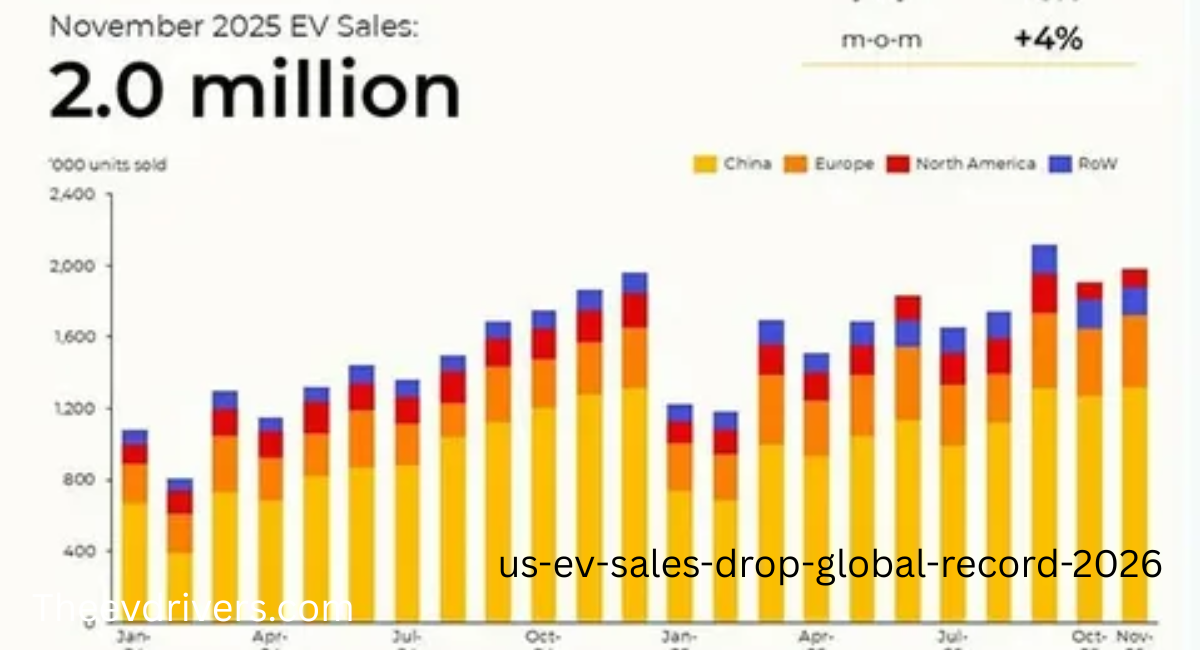
Global EV sales reached 2.0 million units in June alone, pushing year-to-date totals to 9.6 million vehicles, a 7 percent year-over-year improvement. That global growth suggests the U.S. hybrid shift reflects a regional adjustment, not a global pullback from full electrification.
Common Questions About Hybrids Vs. Full EV Sales
Are hybrid sales rising because EV buyers are abandoning electrification?
Not entirely. BloombergNEF’s June 2026 data shows the hybrid segment absorbing much of the momentum pure battery-electric vehicles lost, suggesting many buyers are shifting within electrification rather than leaving it altogether.
Why are US buyers choosing hybrids over full EVs more often in 2026?
The expired federal tax credit removed a financial push toward full EVs specifically. Without it, buyers uncertain about charging access or range now have more room to choose a hybrid instead.
Is the shift toward hybrids happening globally or just in the United States?
Mostly in the United States. Global EV sales reached 9.6 million units year-to-date through June 2026, a 7 percent increase, suggesting the hybrid shift reflects a U.S.-specific adjustment rather than a global trend.