


Summer buying season floods search results with fresh EV reviews, each leading with a 0-60 time and a headline range figure. Those two numbers dominate coverage because they are easy to compare at a glance. They are also the least useful figures for predicting what actual ownership feels like.
Why 0-60 Times Mislead Daily Drivers
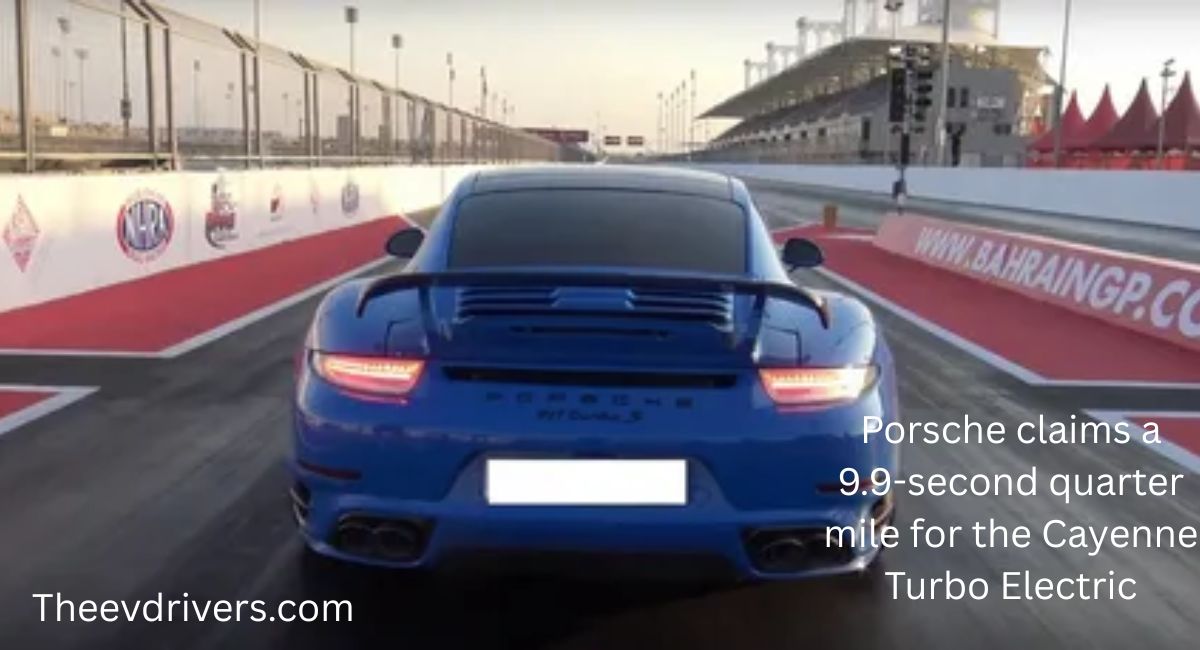
A sub-four-second 0-60 time sounds impressive, and for a handful of buyers, straight-line acceleration matters. For most daily driving, that number says almost nothing about comfort, efficiency, or how a vehicle behaves in real traffic. Nearly every current EV accelerates faster than the gas car it replaces, so the number stops being a meaningful differentiator once it drops below roughly five seconds.
A more useful question is how a vehicle manages power delivery in everyday situations: merging onto a highway, passing on a two-lane road, or crawling through stop-and-go traffic without jerky throttle response.
The Range Claim That Deserves More Scrutiny
Every EV carries an EPA-rated range number, but that figure blends city and highway test cycles into one combined result. EVs typically run more efficiently in city driving than on the highway, the reverse of a gas car’s pattern. A combined rating can flatter a vehicle’s real highway performance without technically being inaccurate.
Technician’s Note: Search a specific EV’s separate highway-cycle number through the EPA’s fuel economy database before trusting a review’s headline range claim. That single number, when automakers report it, is usually a closer match to real road-trip range than the combined sticker figure.
Reviews that quote only the combined EPA number, without noting how that figure was built, are skipping a step that changes how the range should be interpreted for anyone planning highway trips.
Efficiency Tells A Better Story Than Range Alone
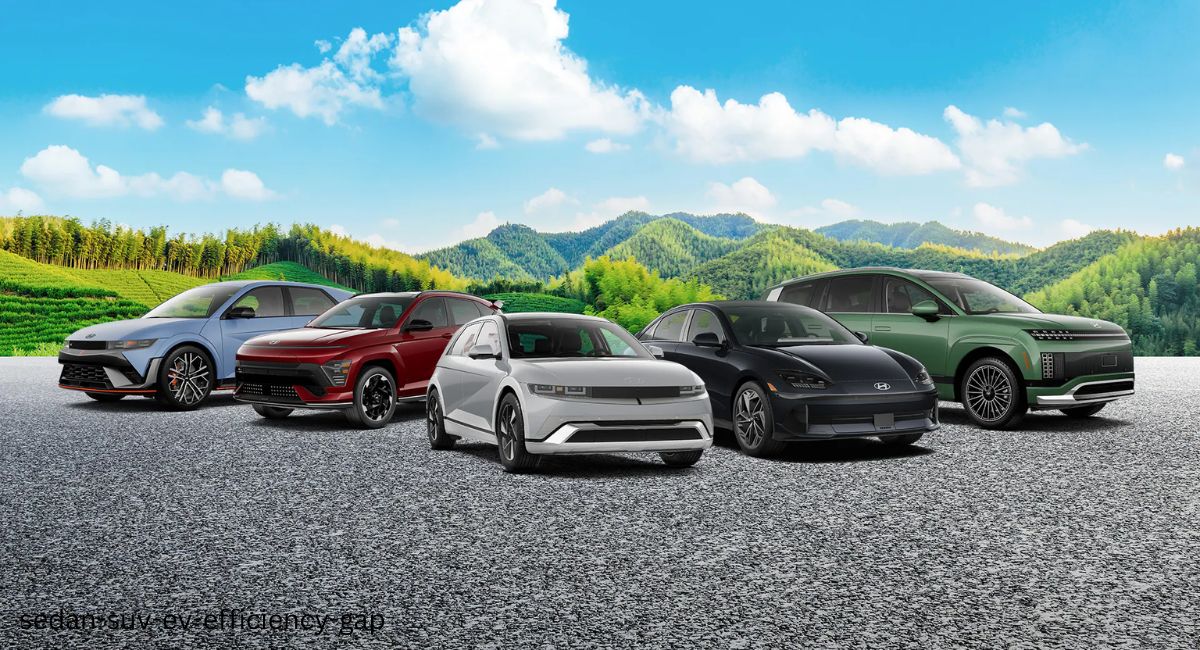
Miles per kilowatt-hour measures how far a vehicle travels per unit of energy, the EV equivalent of miles per gallon. Two EVs can share a similar range rating while posting very different efficiency numbers, because one carries a much larger, heavier battery pack to reach that range. A smaller, more efficient battery reaching similar range costs less to charge and adds less weight to haul around.
A review that reports efficiency alongside range gives a fuller picture of how a vehicle will perform, and cost, over months of ownership rather than a single test loop.
Words That Should Trigger Extra Scrutiny
Phrases like “up to” attached to a range or charging-speed figure describe a best-case result under ideal conditions, not a typical one. Temperature, speed, tire choice, and cargo load all pull real numbers below an “up to” ceiling. A review that repeats a manufacturer’s “up to” figure without independent testing is passing along a marketing number, not a measured one.
Independent test data, gathered by driving a vehicle under controlled conditions rather than citing a press release, carries more weight than a specification sheet alone.
Reading Past The Headline Number
A trustworthy review answers questions a spec sheet cannot: how the seats hold up on a long drive, how the charging port location works with a home charger’s cable length, and how the software handles routine tasks without frustration. Those details rarely make a headline, but they shape daily ownership more than a shaved half-second off a 0-60 run ever will.
Common Questions About Reading EV Reviews
Why do EV reviews lead with 0-60 times if the number matters so little? It is an easy, universally comparable figure that reads well in a headline. Nearly all modern EVs post quick acceleration times, which makes the number a poor way to distinguish between models for typical daily driving.
What does an “up to” range or charging claim actually mean? It represents a best-case figure under ideal conditions, not an expected real-world result. Actual range or charging speed depends on temperature, speed, and battery state, so treating an “up to” number as a guarantee leads to disappointment.
Where can a reader find a more accurate range number than a review’s headline figure? The EPA’s fuel economy database lists separate highway-cycle results for many EVs, alongside the combined figure most reviews quote. That highway-specific number is typically closer to real road-trip range than the blended sticker rating.