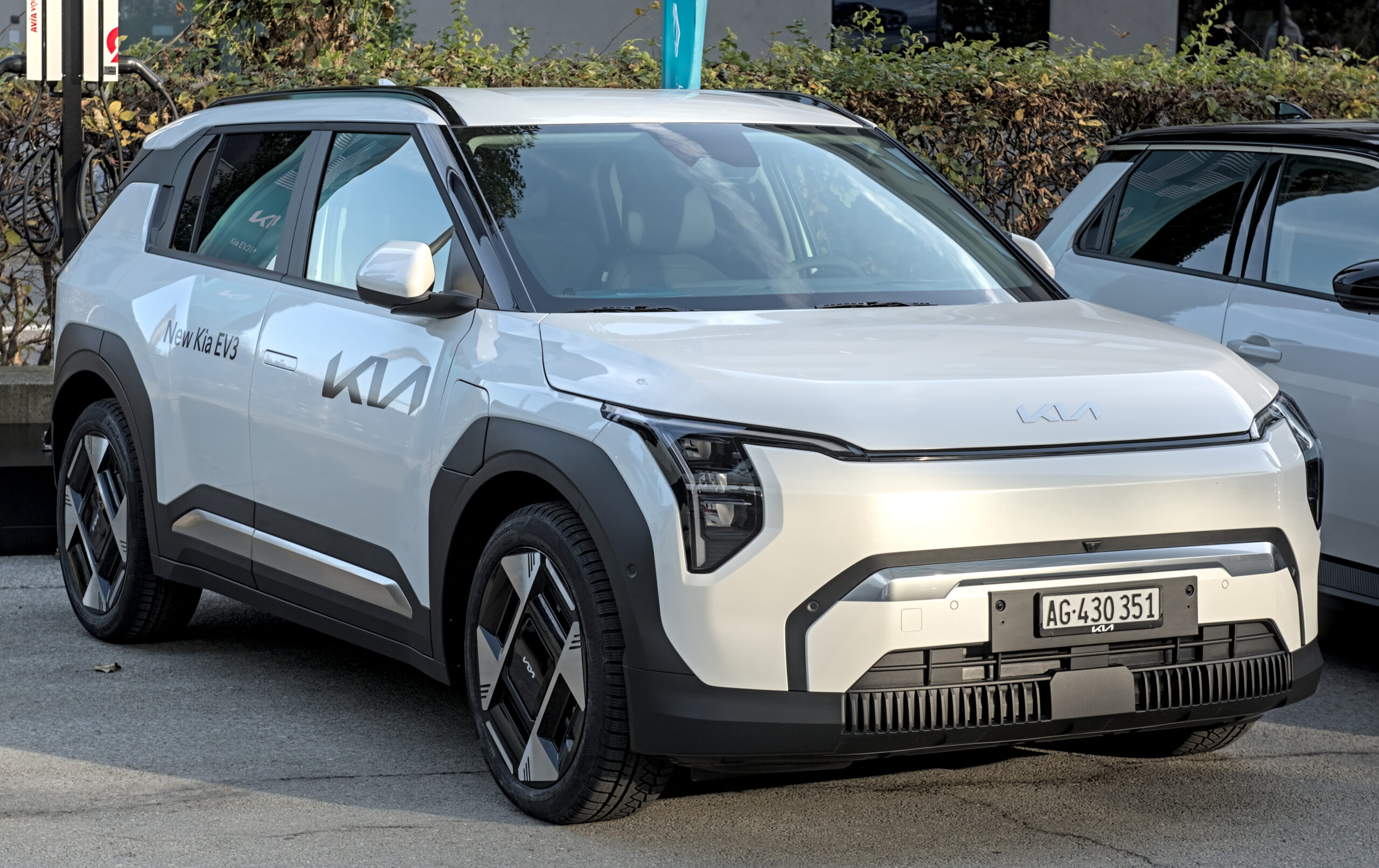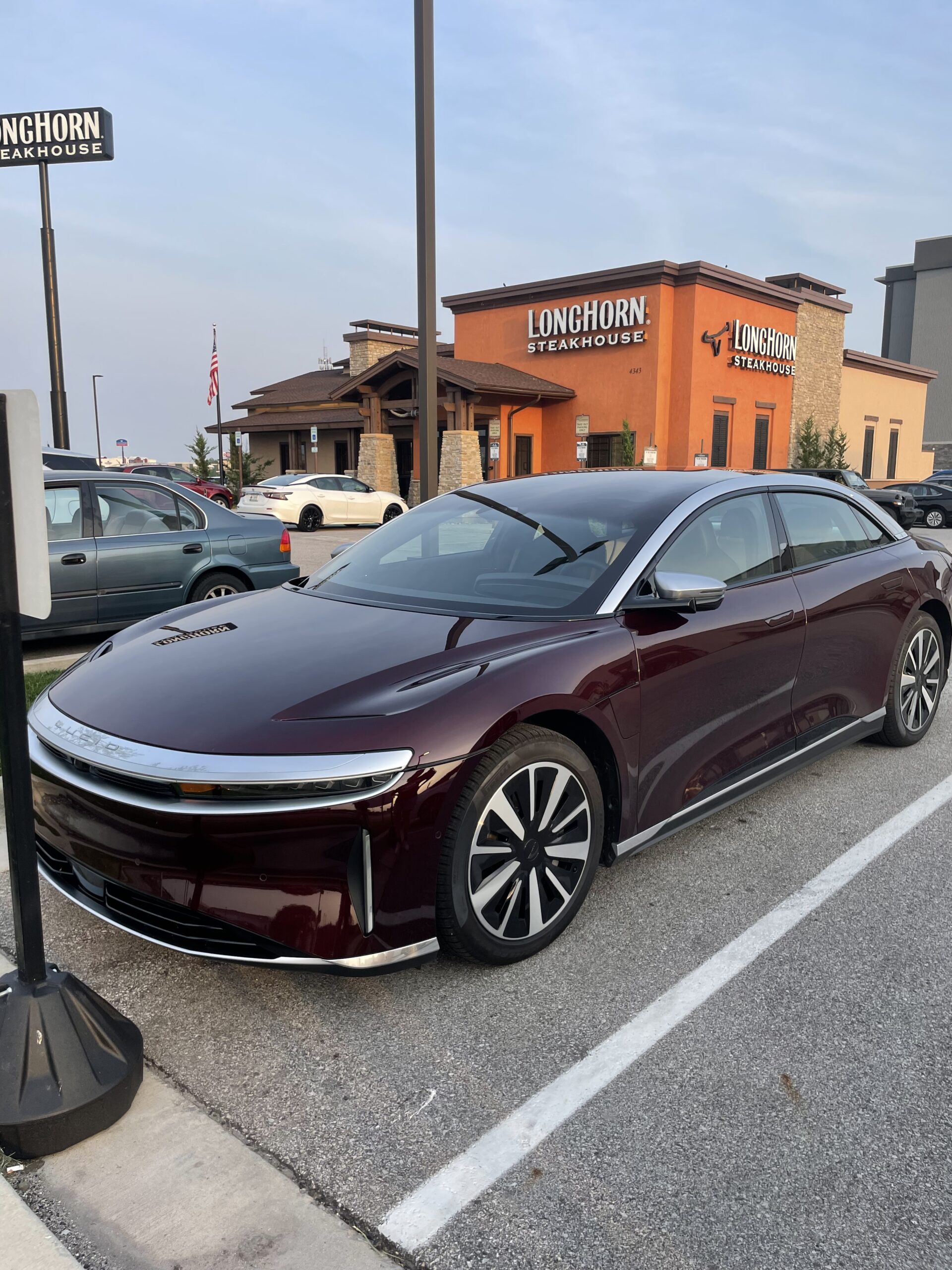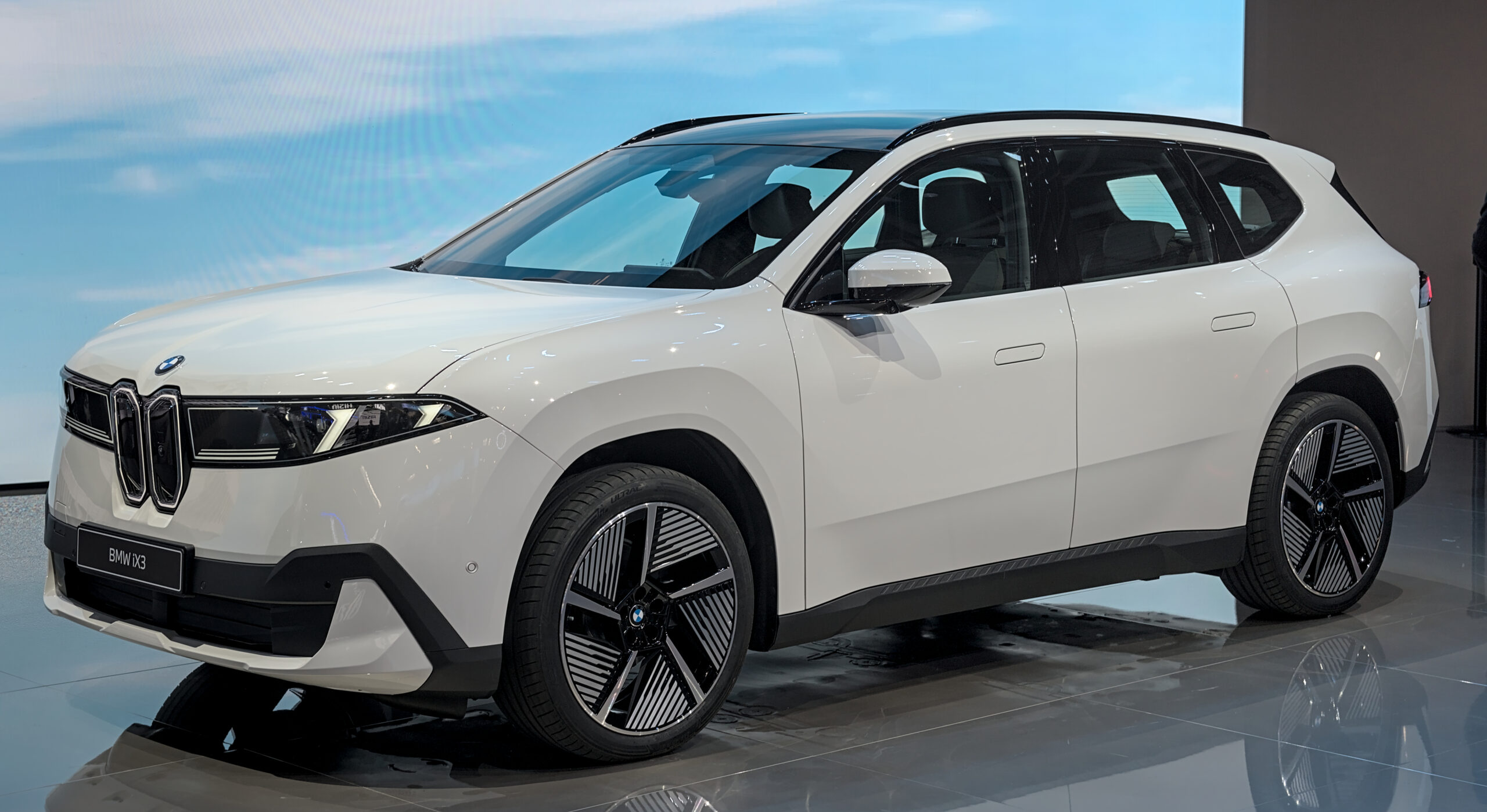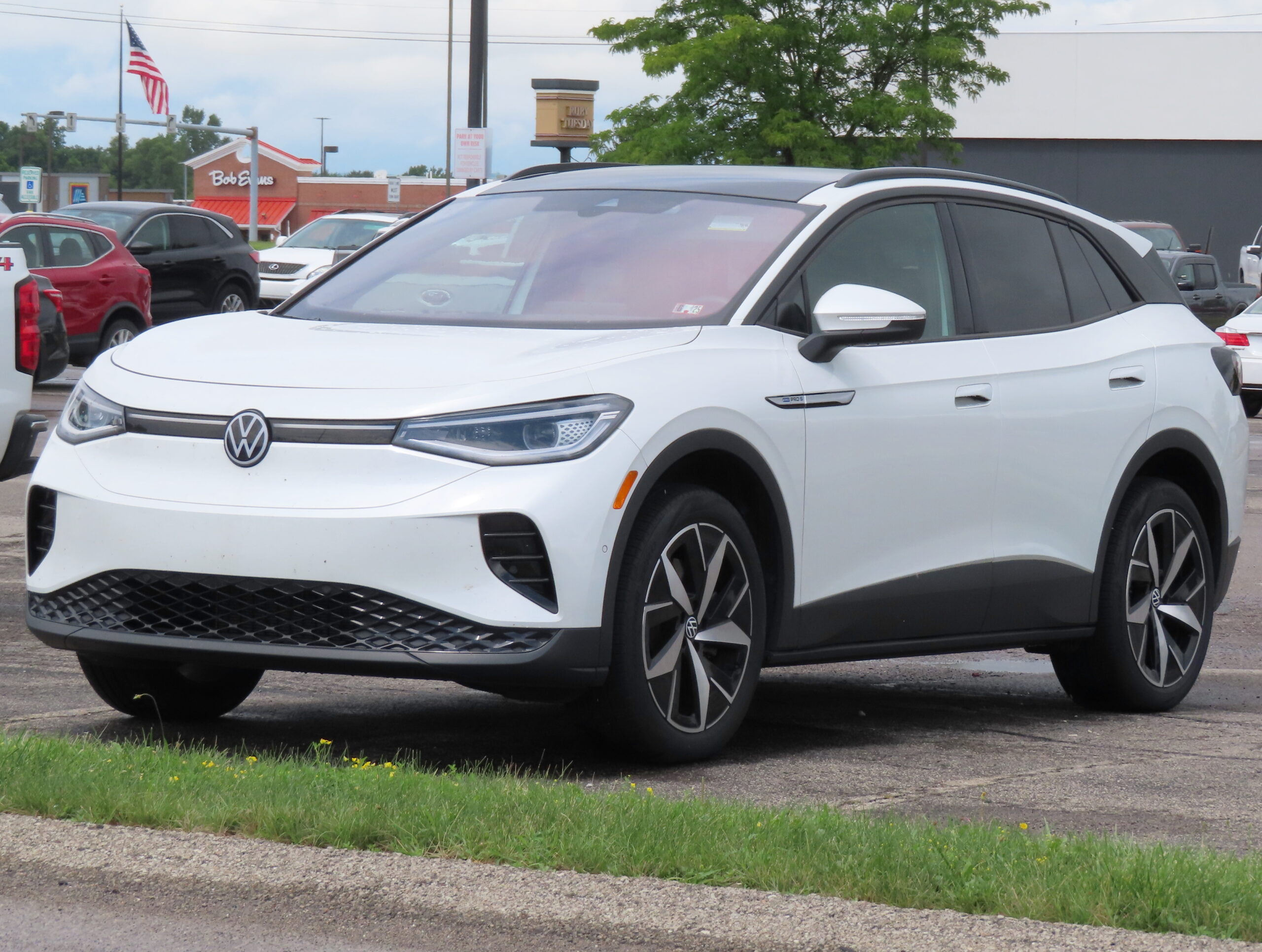
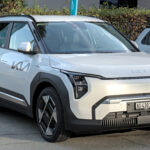
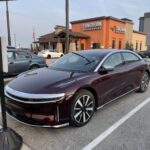

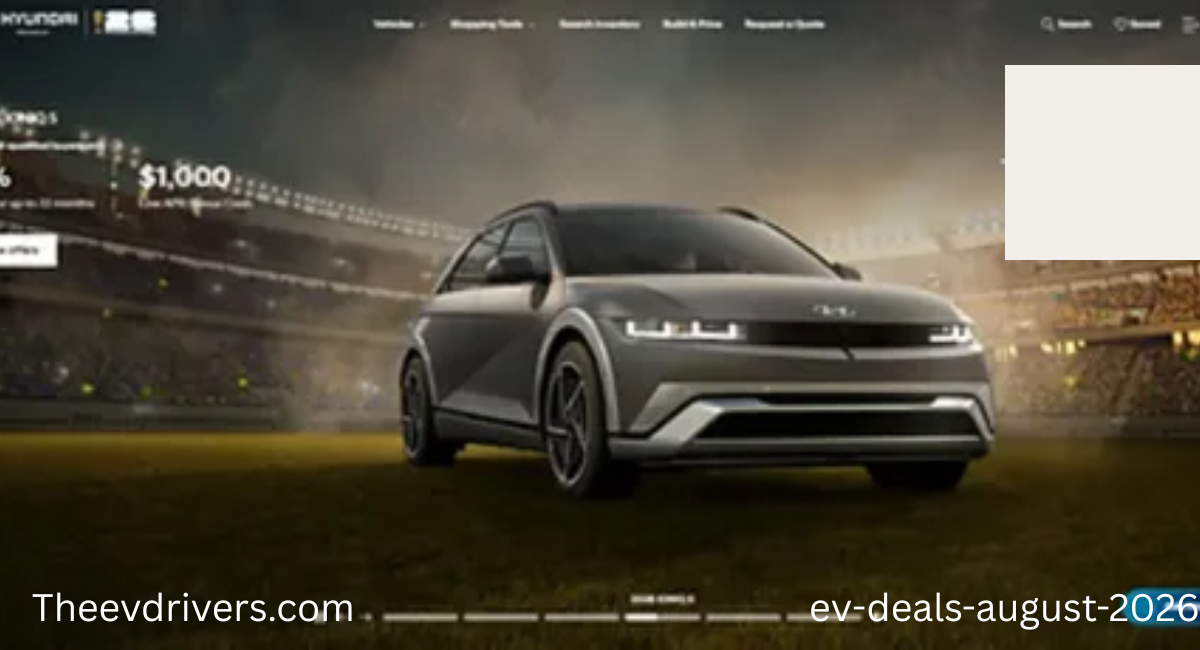
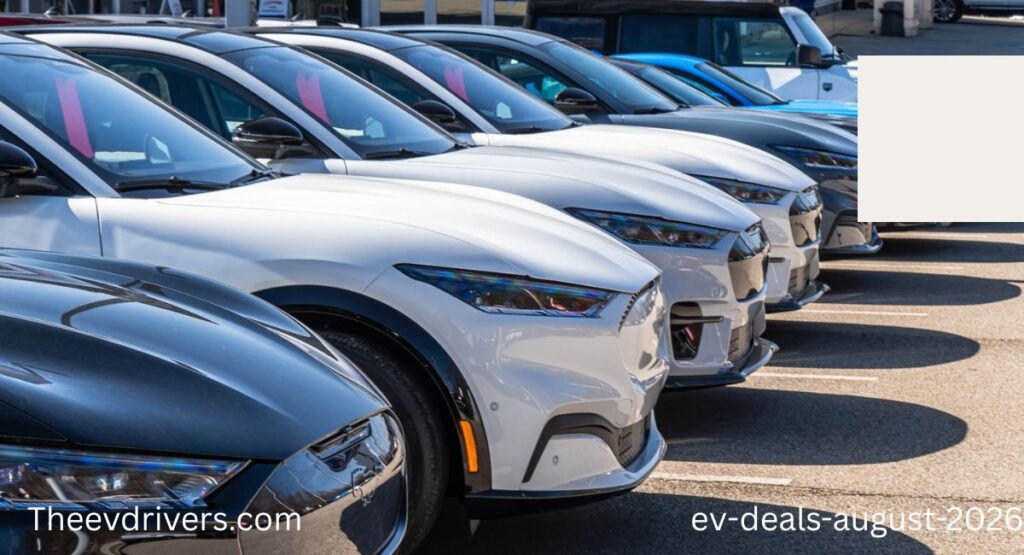
Dealer lots still carry roughly 130 days of EV inventory, well above the 89-day norm for gas vehicles. That surplus forces real discounting most shoppers never see advertised. Chevy, Nissan, and Kia are running 0% financing and cash-back offers simultaneously this month. Stacking those against remaining state incentives cuts thousands off a deal most buyers assume no longer exists.
Why Inventory Pressure Is Driving Real Discounts
New EV sales fell sharply after the federal purchase credit ended on September 30, 2025. Dealers answered by discounting aggressively rather than letting inventory sit. That pressure has not eased through the middle of 2026.
Manufacturers now layer loyalty discounts, below-market lease rates, and direct cash-back offers on top of each other. These vary by brand and region, so the advertised price rarely reflects what a buyer can actually negotiate.
What Current Manufacturer Offers Actually Look Like
Hyundai currently pairs 72-month, 0% financing on the Ioniq 9 with $3,000 in bonus cash, which directly reduces the amount financed. Kia leases the EV6 Light Long Range trim for $369 a month over 36 months with $3,999 due at signing, or $349 a month over 24 months.
Kia’s EV6 purchase offer lets a buyer choose between 0% financing for 60 months or a $3,000 cash-back alternative instead. Deal terms shift monthly, so confirming current terms directly with a dealer stays necessary before assuming any figure still applies.
Stacking State Incentives On Top Of Dealer Discounts
More than 30 states still offer at least one EV-related incentive in 2026, ranging from purchase rebates to carpool-lane access. Colorado’s program adds up to $5,000 on qualifying vehicles, stacking directly on top of any dealer discount already negotiated.
California, New York, Vermont, and Massachusetts all run active rebate programs as well, though income caps and vehicle-price limits restrict several of them. The U.S. Department of Energy’s incentive database confirms current eligibility most reliably.
Technician’s Note: Ask for the days-on-lot figure for the specific trim being negotiated. Vehicles sitting longer typically carry more room to negotiate below the advertised incentive.
What Buyers Should Check Before Signing
Rebate rules follow the date a vehicle enters service, not the date shopping begins. A vehicle ordered earlier but delivered later can lose eligibility if the delivery date falls after a program’s cutoff.
Confirming eligibility against current IRS or state guidance before signing avoids an unpleasant surprise. Dealer finance staff do not always track every program’s exact rules, so independent verification protects the buyer.

Common Questions About Current EV Deals
Are EV deals actually better now that the federal tax credit is gone?
In some ways, yes. Steep dealer discounting driven by inventory surplus is offsetting the lost federal credit for many buyers, though the total savings vary significantly by brand, trim, and region.
Can state EV incentives be combined with manufacturer discounts?
Generally yes. State rebates and manufacturer cash-back or financing offers typically apply independently, though income caps and vehicle-price limits in some state programs can restrict eligibility.
Why do dealer EV offers change so frequently?
Manufacturers adjust incentives monthly based on inventory levels and sales targets. A financing or cash-back offer valid this month may not carry over, so confirming current terms before visiting a dealer saves time.