Public charging runs busier in 2026 than at any prior point. Most charging guides explain how to plug in, not what actually causes delays at a crowded station. Staying plugged in past 80% during a busy session causes most real-world delays. That single habit can double how long everyone else waits.
The Habit That Causes Most Real Delays
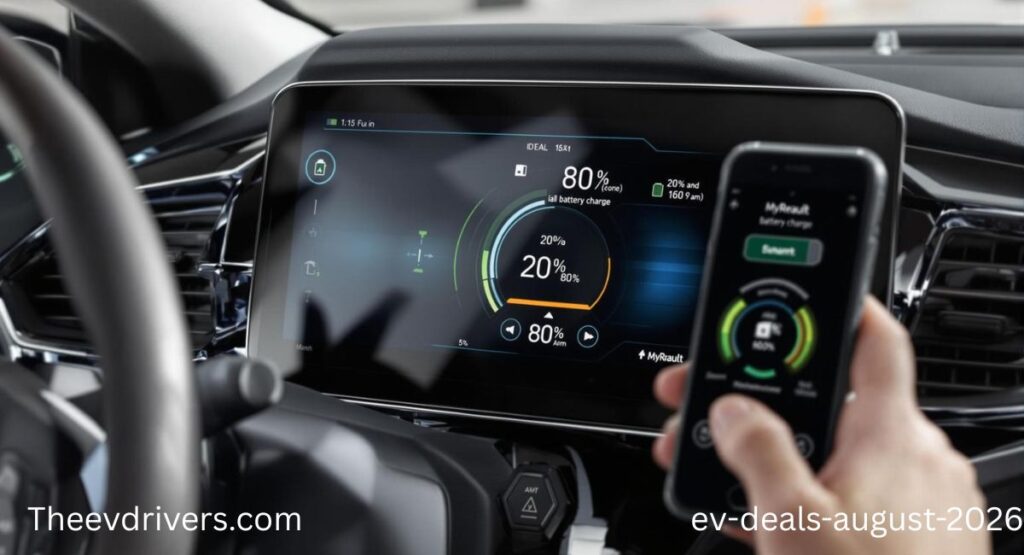
Charging speed drops sharply once a battery passes roughly 80%. The battery management system tapers the charging rate to protect the cells, so the final 20% of a charge can take nearly as long as the first 70%.
Holding a stall through that slow final stretch blocks the spot from a driver who could add 60% of range in the same window. A driver who leaves at 80% turns the charger over roughly twice as fast as one who charges to full.
What Idle Fees Are Actually Doing To Behavior
Most networks now charge idle fees within five to ten minutes after a session completes. Networks built that policy specifically to stop drivers from leaving a fully charged car parked in the stall.
Idle fees address only the after-charging problem, not the slow taper at the end of a session. A vehicle still technically charging at 95% does not trigger most networks’ idle fee policy, even while it blocks the line.
Technician’s Note: Set a charging limit around 80% in the vehicle’s settings before a busy road-trip stop. Most EVs allow this adjustment directly from the touchscreen or a companion app.
Paired Stalls And Why Position Matters
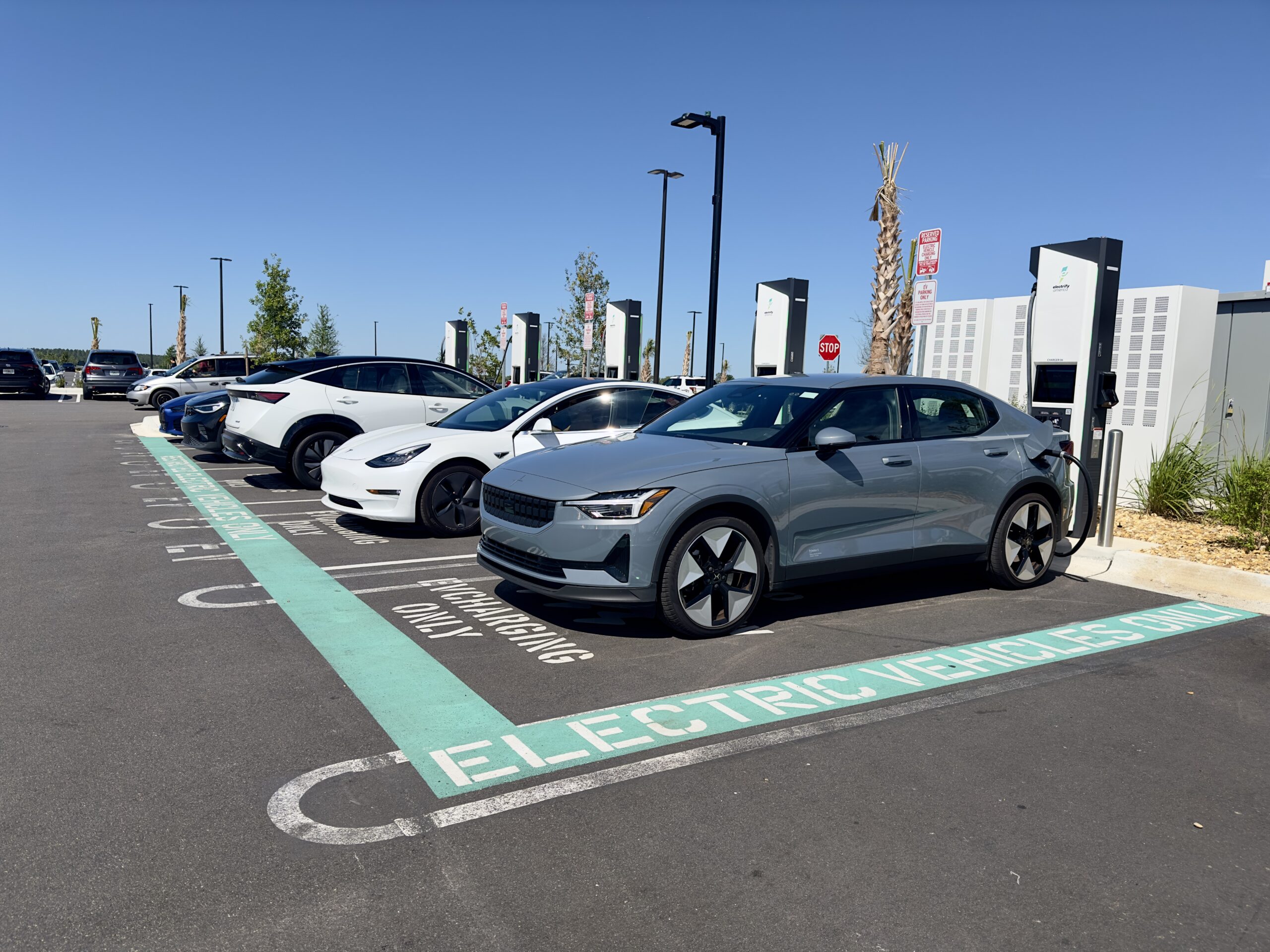
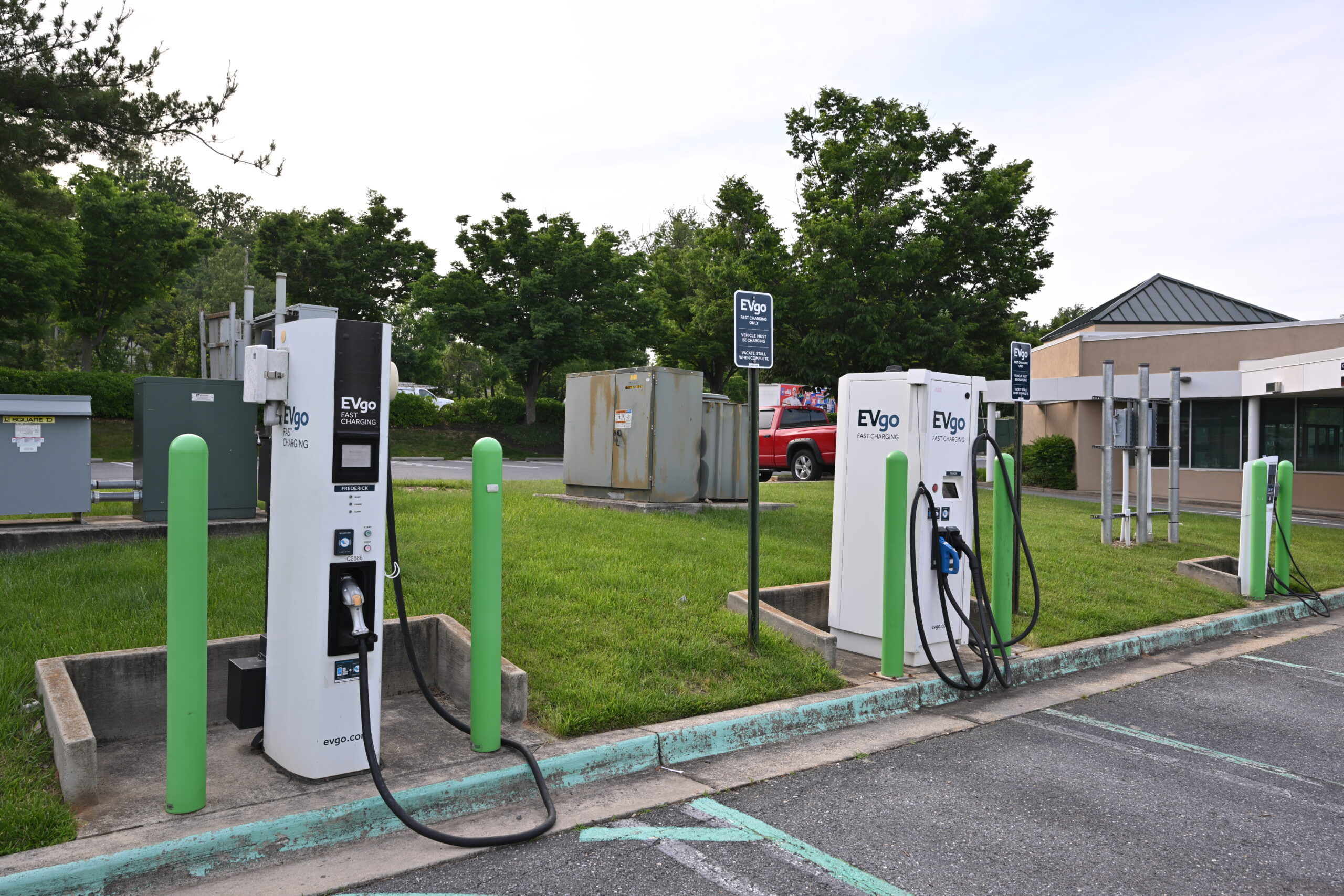
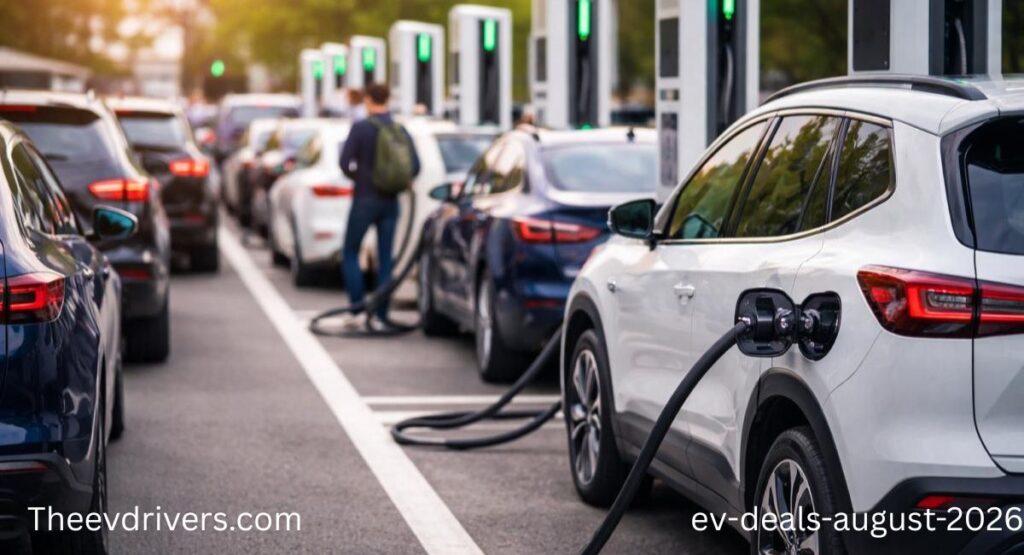
Plugging in next to an occupied stall at a paired-cabinet station can cut charging speed in half for both vehicles. Choosing a non-paired stall, when one is available, avoids that shared power penalty entirely.
Busy stations run an informal first-come, first-served queue in 2026. Positioning a vehicle to move in as soon as a session ends helps a driver claim the stall faster, though it does not speed up the car currently charging.
A Short List Of What Actually Helps
A few habits keep a shared charger usable for everyone in line.
- Move the vehicle within a few minutes once charging completes
- Set a charge limit near 80% on busy travel days
- Choose an unpaired stall over a paired one when available
- Check a station’s real-time status before arriving to avoid a wasted trip
Common Questions About DC Fast Charger Etiquette
Is it rude to stay plugged in past 80% at a busy charger?
Yes, when others are waiting. Charging speed drops sharply after 80%, so staying plugged in through that slow stretch blocks the stall far longer than the added range is worth to most road-trip drivers.
Do idle fees stop drivers from blocking a charger?
Partially. Idle fees only apply once a session ends, typically after five to ten minutes. A vehicle still technically charging past 80%, even slowly, does not trigger most networks’ idle fee policies.
Does plugging in next to another car actually slow down charging speed?
At paired-cabinet stations, yes. Two vehicles sharing one cabinet’s power output can each charge at roughly half speed. Choosing an unpaired stall avoids that shared-power penalty when one is available.The Simple Rule Every EV Driver Should Follow
Related Reading
- Public Charging Reliability: How To Check Uptime Before A Road Trip
- One Charging Network Just Hit A 9.41-Out-Of-10 Reliability Score
- Cold Weather EV Charging: Why Speed Drops More Than Range Does
A good DC fast charging habit is simple:
Charge enough to reach your destination safely, then move on.
At a busy station:
Treat charging stalls as temporary parking spots, not long-term parking spaces.
Avoid charging to 100% unless you genuinely need the extra range.
Move your vehicle immediately after charging finishes.
Leave premium fast-charging locations available for drivers who need quick energy.The Simple Rule Every EV Driver Should Follow