





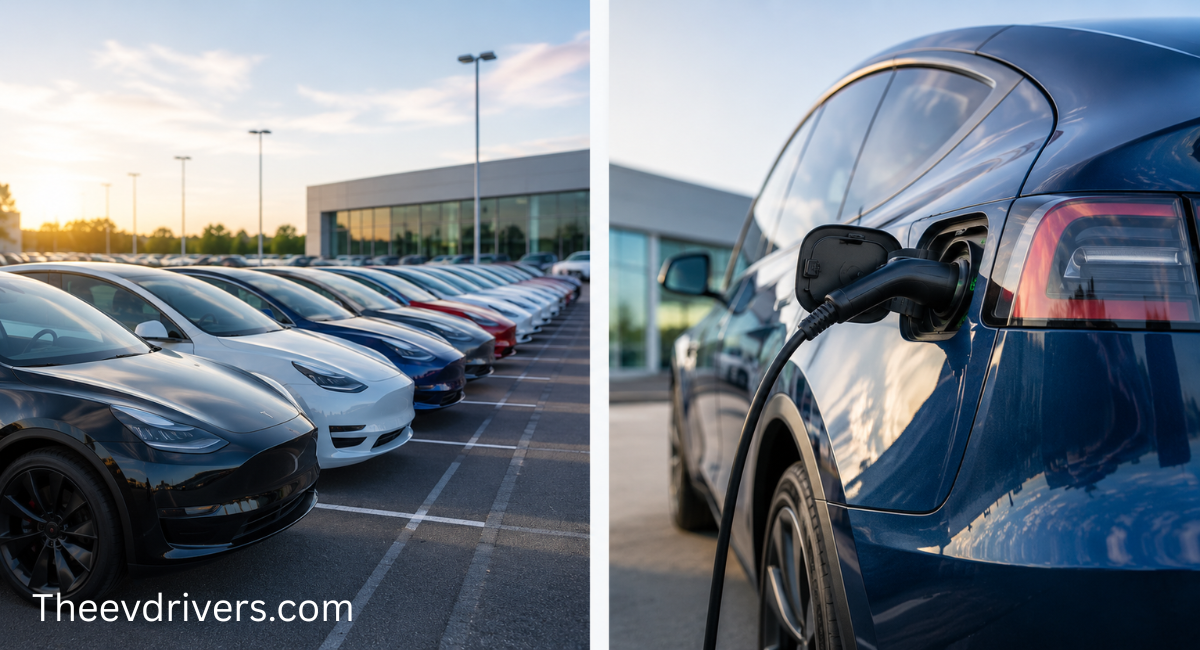
Roughly 400,000 EV leases reach their end date in 2026, according to industry estimates. That wave is landing right as new EV sales cool and dealers hunt for inventory to sell. A returning lease vehicle typically carries two to three years of real-world data behind it, something a brand-new model can’t offer. Buyers who time this wave correctly stand to gain real leverage at the negotiating table.
Why This Particular Wave Matters
Lease terms typically run 24 to 36 months, and EV leasing surged during 2023 and 2024 when manufacturers used lease deals to pass along federal incentive value indirectly. Those same leases now expire in 2026, pushing a concentrated wave of returns into dealer lots.
Cox Automotive already reported used EV demand climbing more than 27 percent year-over-year by March 2026. Lease returns compound that supply increase further, since dealers must move these vehicles quickly to free up lot space for new inventory.
What A Lease-Return EV Actually Offers A Buyer
A returning lease vehicle typically carries low mileage, since lease terms cap annual driving around 10,000 to 12,000 miles. That mileage discipline separates lease returns from a typical used vehicle bought and driven hard by its owner.
Manufacturer certified pre-owned programs frequently pull directly from this lease-return pool, adding an extended warranty and a multi-point inspection most private-party used EVs skip entirely.
Technician’s Note: Request the vehicle’s full charging history report if the dealer can provide one. Frequent DC fast charging accelerates battery degradation more than routine home charging does.
Why Timing This Purchase Matters
Dealers face real pressure to move lease-return inventory before it ages further on the lot, particularly with new EV inventory already sitting at roughly 130 days’ supply nationwide. That pressure typically translates into negotiating room for buyers.
Waiting too long into the wave carries its own risk, since the best-condition, lowest-mileage returns move first. Shopping actively through the second half of 2026, rather than waiting for a single ideal moment, catches more of the available inventory.
What To Check Before Buying A Lease-Return EV
Battery health matters more than odometer mileage alone. Requesting a battery state-of-health report, when a dealer or manufacturer app can provide one, reveals actual degradation more reliably than mileage or age alone.
Remaining battery warranty coverage transfers with the vehicle in most cases, since federal minimum battery warranty requirements apply regardless of ownership change. Confirming the exact remaining term and mileage cap protects a buyer against unexpected battery replacement costs.
Common Questions About EV Lease Returns
Why are so many EV leases ending in 2026 specifically?
EV leasing surged during 2023 and 2024 as manufacturers used lease deals to pass along incentive value. Standard 24- to 36-month lease terms from that period now expire in 2026, concentrating a large wave of returns.
Are lease-return EVs generally in better condition than other used EVs?
Often yes. Lease terms cap annual mileage around 10,000 to 12,000 miles, and many lease-return vehicles enter manufacturer certified pre-owned programs with an inspection and extended warranty attached.
Does a used EV’s battery warranty transfer to a new owner?
In most cases, yes. Federal minimum battery warranty requirements apply regardless of ownership change, though confirming the exact remaining term and mileage cap with the dealer protects against unexpected costs.