
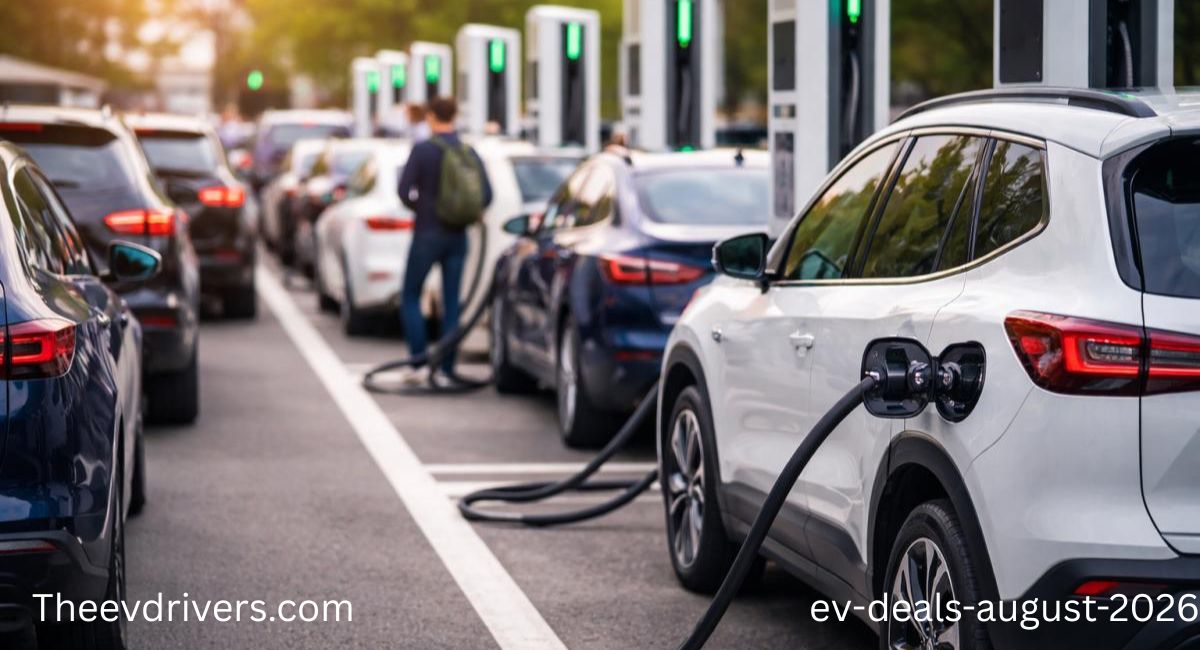
The federal 30C home charger credit quietly expired on July 1, 2026, after covering 30 percent of installation costs for years. Most charger-incentive articles online still describe it as active. State and utility programs now carry the real savings, and payout amounts vary sharply by ZIP code rather than by any single national rule.
What Actually Ended, And When
Section 30C, the Alternative Fuel Vehicle Refueling Property Credit, covered 30 percent of home charger costs up to $1,000. That credit applied only to equipment a homeowner placed in service before July 1, 2026.
Homeowners who completed a qualifying installation before that deadline can still claim the credit using IRS Form 8911. Anyone installing after that date loses federal charger credit eligibility entirely, regardless of income or vehicle type.
Where The Real Savings Live Now
Utility rebate programs vary enormously by provider. New York offers no state-level charger rebate, but Con Edison pays customers roughly $400 a year through its SmartCharge program for off-peak charging.
New Jersey’s Charge Up program provides a $250 in-home charger incentive through the state’s Clean Energy Program. Massachusetts residents rely on utility-specific programs like National Grid instead of a state charger rebate.
Technician’s Note: Check a specific utility’s program page directly rather than a general state summary. Rebate amounts and eligibility rules change more often at the utility level than most articles get updated.
How Installation Costs Compare To The Rebates Available
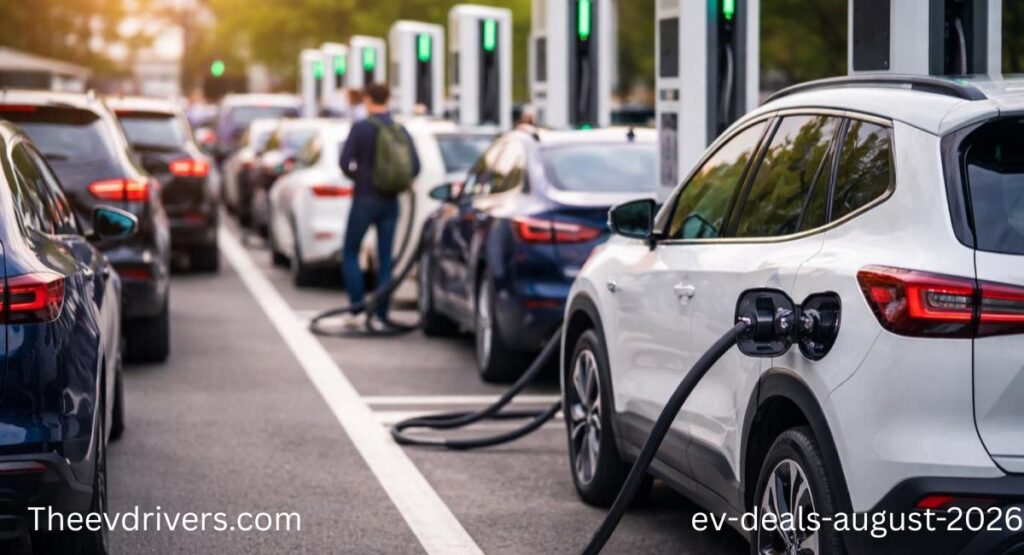
A typical Level 2 home charger installation costs around $1,810 based on recent project data, though panel capacity and distance from the electrical panel shift that figure. Some utility rebates offset a meaningful share of that cost.
National Grid’s Massachusetts program pays up to $700 for single-family wiring upgrades, plus roughly $100 a year for enrolling in off-peak charging. That combination recovers a real portion of installation cost over a few years.
What To Check Before Starting An Installation
Confirming a specific utility’s current rebate status matters more than checking a general incentive roundup. Programs pause, run out of funding, or change terms without much notice.
Any bidirectional or high-amperage charger installation should route through a licensed electrician and the utility’s own interconnection process. Improper wiring on a system pulling significant current creates a genuine fire risk.
Common Questions About Home Charger Incentives
Is the federal home EV charger tax credit still available in 2026?
No. The Section 30C credit expired for equipment placed in service after July 1, 2026. Homeowners who completed installation before that date can still file IRS Form 8911 to claim it.
Which states currently offer the best home charger rebates?
It varies by utility more than by state. New Jersey’s Charge Up program offers $250, while Massachusetts and New York rely on utility-specific programs like National Grid or Con Edison’s SmartCharge, each with different terms.
How much does a typical home Level 2 charger installation cost in 2026?
Recent project data puts the average around $1,810, though the range varies with panel capacity and wiring distance. Utility rebates can offset a meaningful portion of that cost in some regions.