




Ford confirmed its upcoming Fathom pickup will include bidirectional charging capability standard, not as a paid option. That announcement lands as more automakers treat vehicle-to-home power as a selling point rather than a novelty. Bidirectional hardware alone does not power a house during an outage. A specific set of additional equipment determines whether that capability actually works when the grid goes down.
What Ford Actually Confirmed
Ford’s Universal EV Platform underpins the Fathom, and the automaker confirmed every trim will include bidirectional charging capability as standard equipment, alongside a large touchscreen, BlueCruise, and a digital key.
That standard-equipment approach differs from several competitors that reserve bidirectional capability for higher trims or charge extra for the compatible home hardware separately.
Why Vehicle Capability Alone Doesn’t Power A House
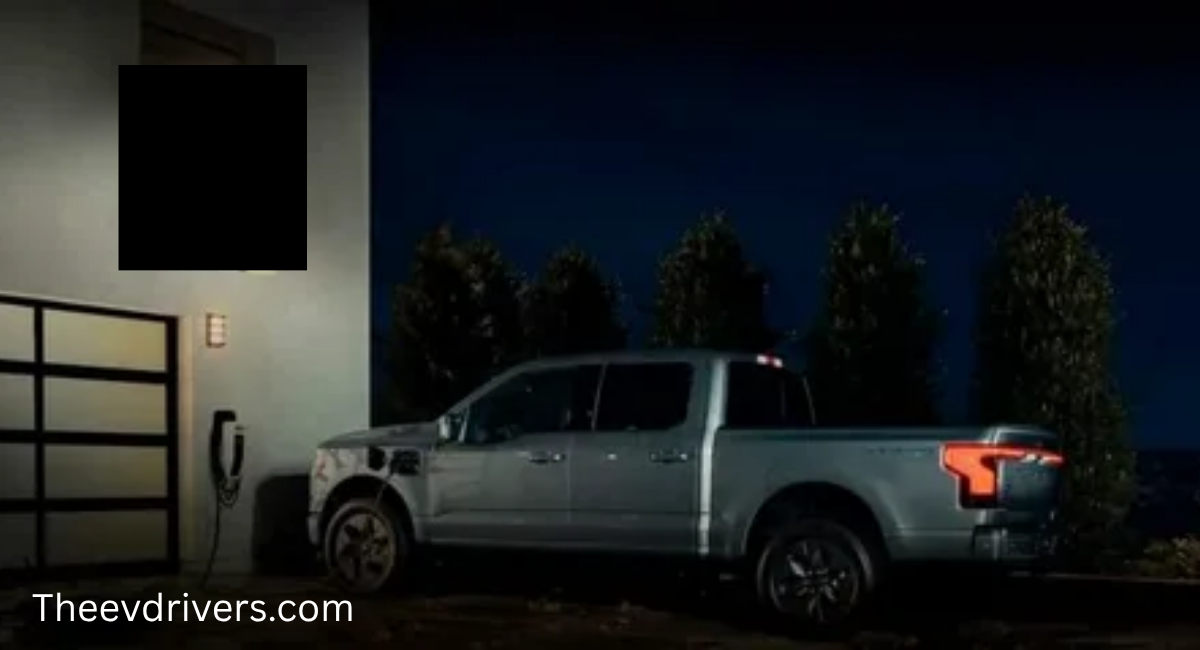
A vehicle’s bidirectional hardware handles only one half of the equation. The home side requires a compatible bidirectional charger, a transfer switch or power management system, and in most cases a licensed electrician’s involvement in the installation.
Without that home-side hardware, a bidirectional-capable vehicle still cannot power a house during an outage, regardless of what the vehicle itself supports. The vehicle enables the capability; the home installation delivers it.
Technician’s Note: Ask specifically whether a quoted installation includes a transfer switch or power management system, not just a bidirectional charger unit. Missing that component is the most common gap between advertised and actual home backup capability.
What A Complete Home Backup Setup Costs
A full vehicle-to-home system typically lands between $4,000 and $10,000 installed, covering the charger, gateway, wiring, and labor. That range varies significantly based on a home’s existing electrical panel capacity and its distance from the charging location.
Older homes with lower panel capacity often need an electrical panel upgrade before bidirectional installation, a cost that can add substantially to the total project beyond the charger and labor alone.
What To Confirm Before Counting On This Feature
Standard bidirectional hardware on a vehicle does not guarantee a specific home setup works with every charger brand. Confirming compatibility between the vehicle’s bidirectional system and a chosen home charger brand avoids a mismatched, non-functional installation.
Any bidirectional installation should route through a licensed electrician and the local utility’s interconnection process. Improper wiring on a system feeding power back through a home’s electrical panel creates a genuine shock and fire risk.
Common Questions About Ford Fathom’s Bidirectional Charging
Does the Ford Fathom come with bidirectional charging on every trim?
Yes, Ford confirmed bidirectional charging capability as standard equipment across the Fathom lineup, not limited to higher trims or offered as a paid option, according to the vehicle’s announced specifications.
Can a bidirectional-capable EV power a house immediately after purchase?
No. The vehicle’s bidirectional hardware handles only half the requirement. A home also needs a compatible charger, a transfer switch or power management system, and professional installation to actually enable backup power.
How much does a complete vehicle-to-home backup setup typically cost?
A full installed system typically runs $4,000 to $10,000, covering the charger, gateway, wiring, and labor. Older homes needing an electrical panel upgrade can see that total rise further.