
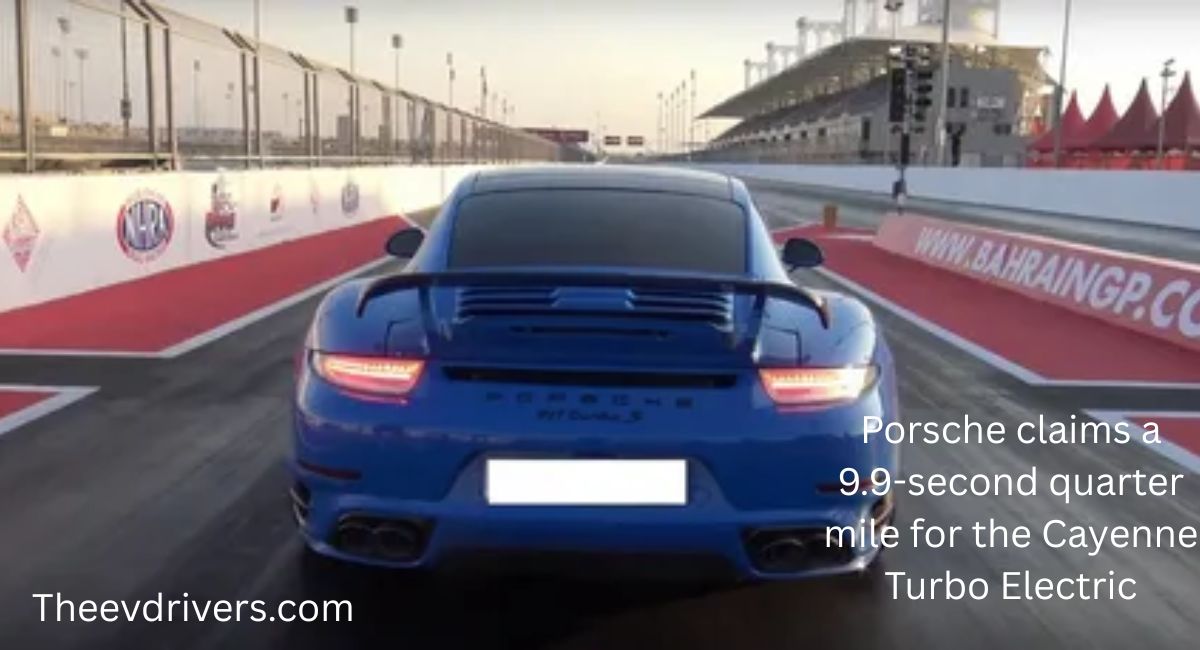
Porsche says the Cayenne Electric Turbo can run a 9.9-second quarter mile. Early first-drive coverage from Barcelona’s mountain roads calls the vehicle strong on first impressions, but stops short of confirming that number under controlled testing conditions. That gap between a manufacturer claim and a verified result is exactly what separates a first drive from a full review most readers assume they’re getting.
What Porsche Actually Claims
Porsche states the Cayenne Turbo Electric can complete a quarter mile in 9.9 seconds, a performance figure that would place it among the quickest SUVs sold today, electric or otherwise.
That figure comes from Porsche’s own testing under controlled conditions the automaker selects and reports itself, not from an independent, repeatable test run by a third party with no stake in the outcome.
What A First Drive Actually Tests
A first-drive review typically covers a single day or two behind the wheel, often on a manufacturer-organized route chosen to flatter the vehicle’s strengths. Recent Cayenne Electric first-drive coverage from mountain roads outside Barcelona fits that pattern closely.
Journalists on these events form real, honest first impressions, but they rarely have access to a test track, a fifth-wheel measurement device, or repeated runs needed to verify a specific claimed number like a quarter-mile time.
Technician’s Note: Look for phrases like ‘first impressions’ or ‘first drive’ in a review’s framing, and treat performance claims within it as manufacturer-reported until an independent instrumented test confirms them separately.
Why This Distinction Matters For A Buyer
A first drive can reliably assess ride comfort, interior quality, road noise, and general driving character, since those impressions don’t require lab-grade instrumentation to evaluate honestly.
A first drive cannot reliably confirm a specific 0-60 time, quarter-mile figure, or range number, since those require controlled, repeatable testing conditions a brief manufacturer-organized event typically does not provide.
What A Verified Number Actually Requires
Independent testing organizations use instrumented test equipment, closed test tracks, and multiple repeated runs averaged together to produce a verified performance figure, a process that takes considerably longer than a first-drive event allows.
Waiting for that verified test, rather than treating a first-drive’s repetition of a manufacturer claim as confirmation, gives a more accurate picture of what a vehicle actually delivers once it reaches full production and independent hands.
Common Questions About First Drives Vs. Verified Tests
Has Porsche’s claimed 9.9-second quarter mile for the Cayenne Turbo Electric been independently verified?
Not yet, as of current first-drive coverage. That figure comes from Porsche’s own reported testing. Independent instrumented testing typically follows a vehicle’s full production release, not its first-drive media events.
What can a first-drive review reliably tell a buyer?
A first drive reliably covers ride comfort, interior quality, road noise, and general driving character. It cannot reliably confirm specific performance numbers like 0-60 times or quarter-mile figures without instrumented testing.
Why do manufacturer-claimed performance figures need independent verification?
Manufacturer testing conditions are self-selected and self-reported, without third-party oversight. Independent testing organizations use repeated, instrumented runs specifically to confirm or correct figures a manufacturer reports on its own.