Volkswagen and Gotion announced a flexible LFP cell production plan on October 1, 2026. The same manufacturing line will serve both EV batteries and stationary energy storage. That flexibility is the real story, not just another battery partnership announcement.
What Makes This LFP Plan Different
Most battery plants dedicate production lines to a single end use. A line built for EV cells typically cannot pivot to grid storage easily. Volkswagen and Gotion’s plan specifically targets that rigidity as the problem to solve.
LFP chemistry suits both applications reasonably well already. Other automakers are pursuing different chemistry paths like LMR for cost and supply reasons. VW and Gotion are instead betting on manufacturing flexibility itself as the advantage.
Why Flexible Production Actually Matters
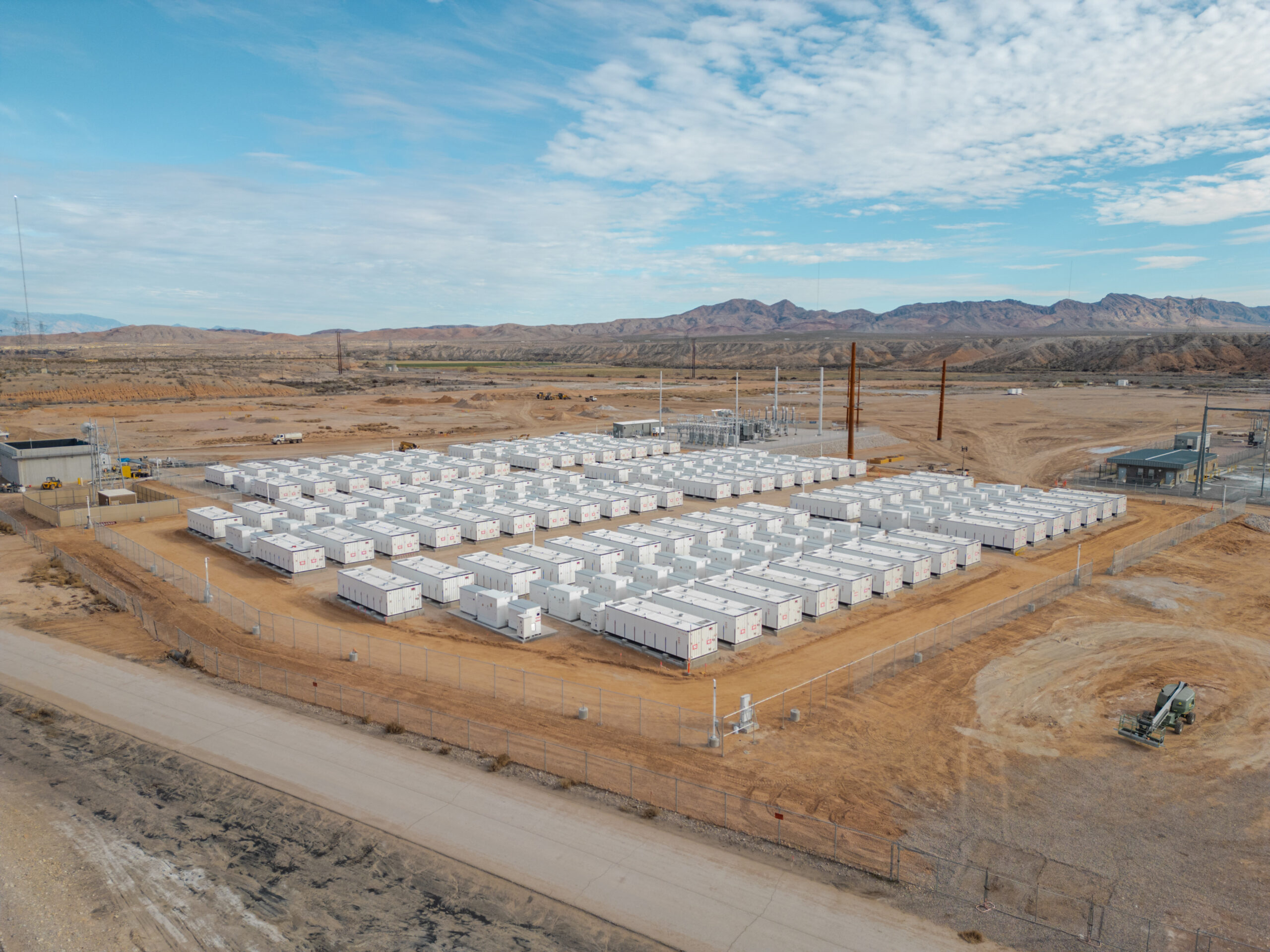
EV demand and energy storage demand do not always move together. A plant that can shift output between the two smooths out that mismatch. Idle production capacity during a slow EV quarter instead serves grid storage orders.
That flexibility also hedges against policy shifts affecting one market more than the other. Stationary storage demand has grown steadily as utilities invest in grid resilience. A single plant serving both reduces exposure to any one sector’s slowdown.
Technician’s Note: Flexible production lines typically cost more to build initially than single-purpose plants. Treat early claims about cost savings with some caution until real output and pricing data confirm the economics.
What This Signals For EV Buyers Down The Road
A more resilient battery supply chain theoretically means steadier EV production. Fewer plant idle periods could mean fewer vehicle delivery delays tied to cell shortages. That benefit remains theoretical until the plant actually reaches full output.
LFP cells already favor affordability and longevity over peak energy density. Volkswagen vehicles using these cells likely continue prioritizing cost-conscious trims. That tradeoff should sound familiar to anyone who has shopped an LFP-equipped EV already.
Common Questions About VW And Gotion’s LFP Plan
Will this flexible production plan lower Volkswagen EV prices?
Possibly, over time, but not immediately. Manufacturing efficiency gains typically take years to reach consumer pricing. Consult Volkswagen’s own future announcements for specific pricing commitments once the plant reaches full production.
Does flexible production mean lower battery quality for EV applications?
Not inherently. The same LFP cell chemistry serves both EV and storage uses without a quality tradeoff. The flexibility applies to which end product a given production run serves, not to the cells’ underlying quality.
How does this compare to GM’s separate LMR battery investment?
They solve different problems. GM’s LMR plan targets cheaper raw materials for EV cells specifically. VW and Gotion’s LFP plan targets manufacturing flexibility across two different end markets using an already-established chemistry.