Electric Era announced new 5CP prediction technology for charging station operators. The system forecasts demand-charge events before they happen. That forecasting matters because 5CP charges often cost station operators more than the electricity itself.
What A 5CP Demand Charge Actually Is
Utilities bill commercial customers partly on peak demand, not just total usage. A 5-minute coincident peak, or 5CP, measures that peak at a specific window. A single brief surge in charging demand can spike a station’s entire monthly bill.
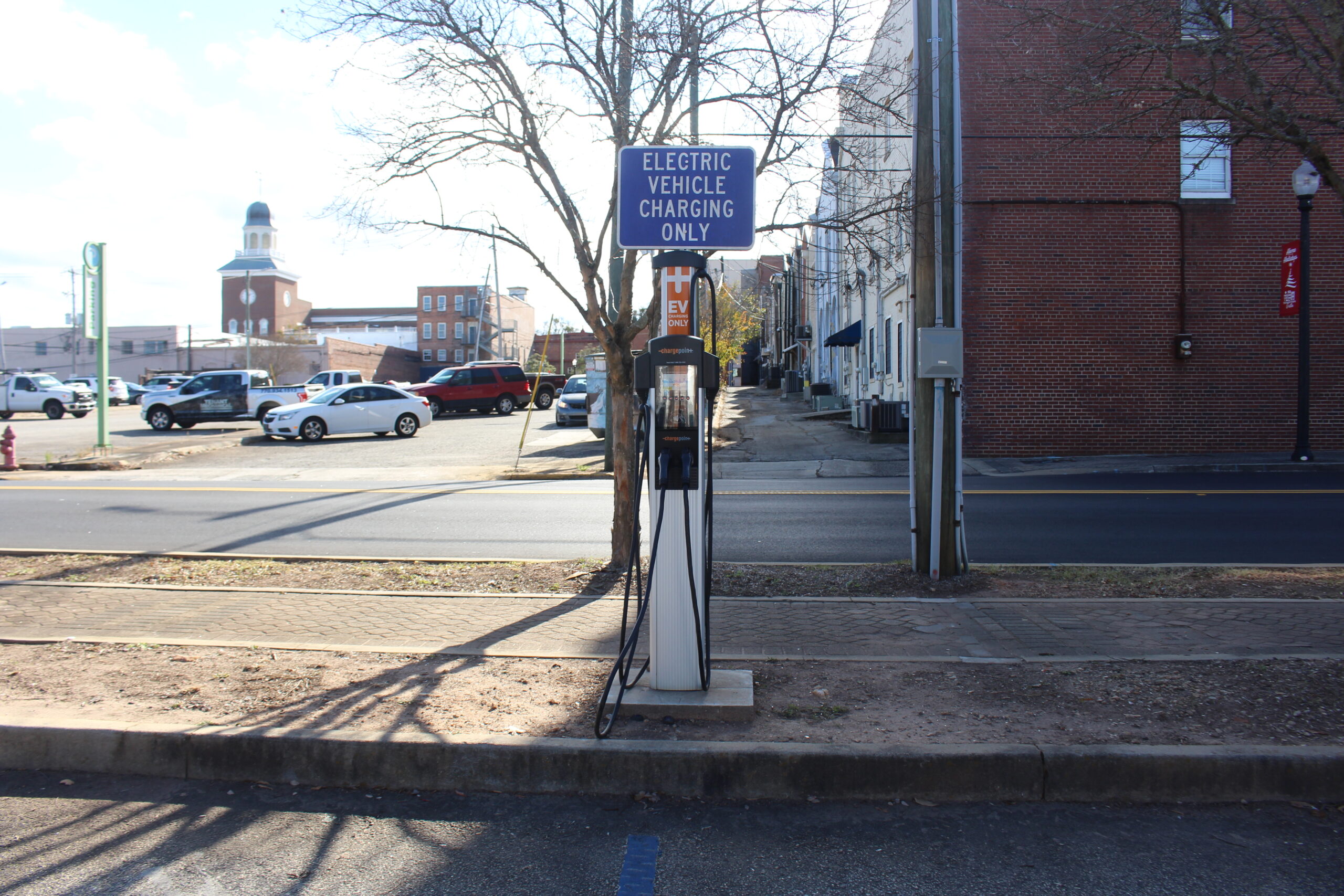
Multiple vehicles fast-charging simultaneously often triggers these peaks. Charging network reliability already depends on managing station load carefully. Demand charges add a direct financial incentive to manage that load even more precisely.
Why Prediction, Not Just Monitoring, Matters
Monitoring a demand peak after it happens does nothing to prevent the charge. Prediction lets a station throttle or stagger charging sessions proactively instead. That proactive approach is what actually controls cost before the bill arrives.
Automated response removes the need for manual, real-time station management. A smaller operator without dedicated staff benefits most from automation like this. That accessibility could matter more for the industry’s smaller charging networks.
Technician’s Note: Demand-charge management can mean a station briefly limits charging speed during a predicted peak window. That tradeoff protects the business’s costs but can occasionally mean a slower charge at the worst possible moment.
What This Could Mean For Charging Prices
Lower demand-charge exposure theoretically lets operators price sessions more competitively. That benefit depends entirely on operators actually passing savings along. Technology adoption alone does not guarantee lower prices at the plug.
Smaller, independent charging networks stand to benefit most from this kind of tool. Reduced operating costs help newer networks compete against larger, better-capitalized rivals. That competitive pressure could ultimately benefit drivers through more choice.
Common Questions About 5CP Demand-Charge Prediction
Will 5CP prediction technology make charging stations slower?
Occasionally, during a predicted peak window specifically. The system may briefly throttle charging speed to avoid a demand-charge spike. Most sessions outside predicted peak windows should see no change in charging speed at all.
Does this technology directly lower what a driver pays per session?
Not automatically. Lower operating costs for a station operator do not guarantee lower prices passed to drivers. Whether savings reach the plug depends on each individual charging network’s own pricing decisions.
Which charging networks are likely to adopt this kind of technology first?
Smaller, independent operators without dedicated real-time management staff likely benefit most. Larger networks with existing load-management systems may see smaller relative gains from adopting a new prediction tool like this one.