LG Energy Solution posted record Q3 2026 earnings this month, and the real story isn’t EV batteries at all. Tesla’s own battery supplier slowed EV cell production in North America due to weak demand, then pivoted hard into energy storage batteries for data centers and the power grid. That pivot is now paying off in a big way.
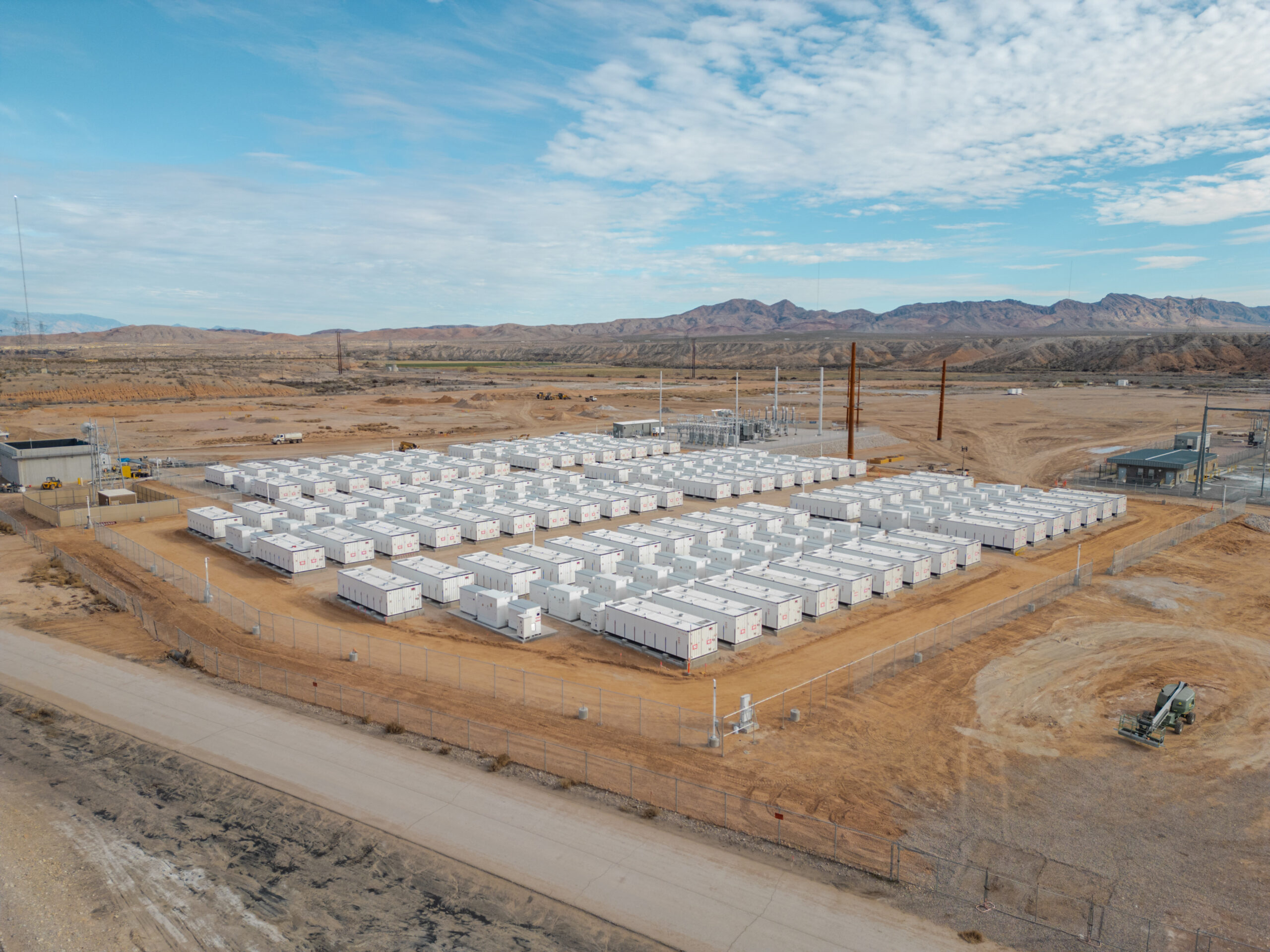
Table of Contents
The Numbers Behind The Pivot
Revenue reached 9.64 trillion won, roughly $7.2 billion, up 59 percent year over year. Operating profit rose 25.7 percent on-year and more than sixfold compared to the previous quarter. That jump is unusually large even for a company riding a genuine demand surge.
The growth split roughly evenly between two sources: steady EV battery shipments to Europe, where plug-in demand remains strong, and a sharp expansion in North American energy storage system production. North American ESS shipments specifically lowered the burden of fixed costs across LG’s plants.
Why A Battery Maker Needed A Backup Plan
LG’s plant in Holland, Michigan was among the first in the US built specifically for EV battery production, backed by joint ventures with GM, Honda, and Stellantis. But EV demand never scaled the way those investments assumed, leaving LG with cell production capacity it couldn’t fully use for vehicles.
Shifting that excess capacity from high-nickel EV cells to lithium iron phosphate cells for grid storage let LG put idle manufacturing to work. Other companies in the EV supply chain have made similar pivots as AI data center power demand creates a genuinely new customer base.
Technician’s Note: One-off compensation payments from automakers for failing to meet minimum EV battery purchase requirements also factored into this quarter’s results. That means part of the earnings jump reflects contractual penalties, not pure demand growth, and may not repeat at the same scale going forward.
What This Means For EV Battery Supply Going Forward
A battery maker that can lean on a second, booming revenue stream has more room to ride out a slow EV sales stretch without cutting EV-specific research and production entirely. That stability matters for automakers depending on LG as a supplier, even during a period when EV sales growth has disappointed.
LG expects momentum to continue as North American ESS production ramps up further and EV battery demand gradually recovers. Five North American ESS sites have now begun full operation, suggesting this isn’t a temporary shift but a genuine second business line.
Common Questions About LG Energy Solution’s Earnings
Does LG Energy Solution’s pivot to storage batteries mean less investment in EV batteries?
Not necessarily. LG says it expects EV battery demand to recover and plans to continue investing in that business, particularly for the European market where plug-in sales remain strong. The storage pivot is additive, not a full replacement.
Why did data centers suddenly become a major customer for battery makers?
AI data centers require reliable backup power at a massive scale, driving demand for grid-scale energy storage systems. That demand surge happened to align with battery makers having spare EV cell production capacity to redirect.
Could this pivot eventually affect EV battery prices or availability?
It’s possible, if manufacturers continue prioritizing capacity for the more profitable storage business during periods of weak EV demand. For now, LG says it’s balancing both businesses rather than favoring one over the other.