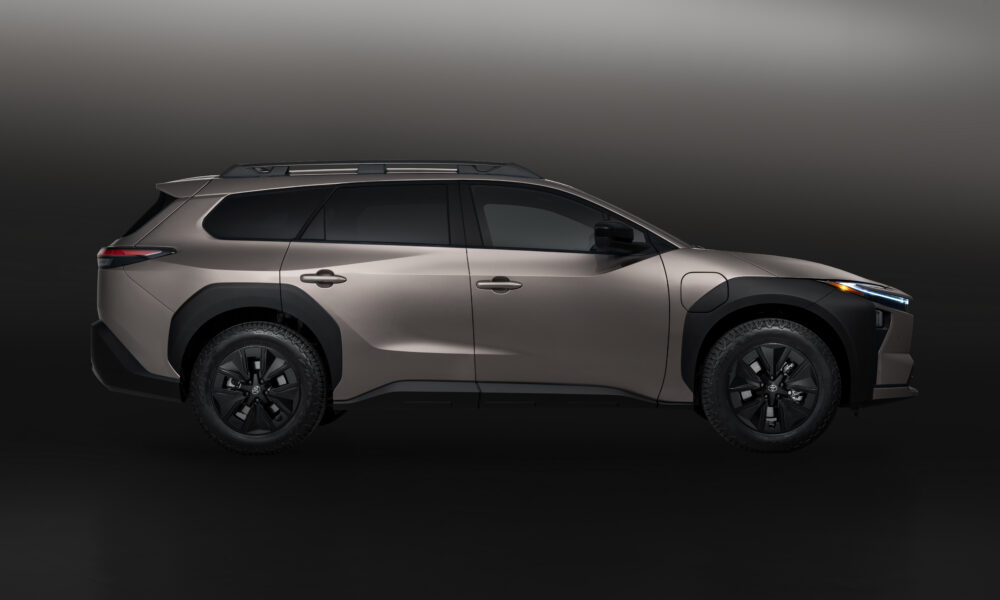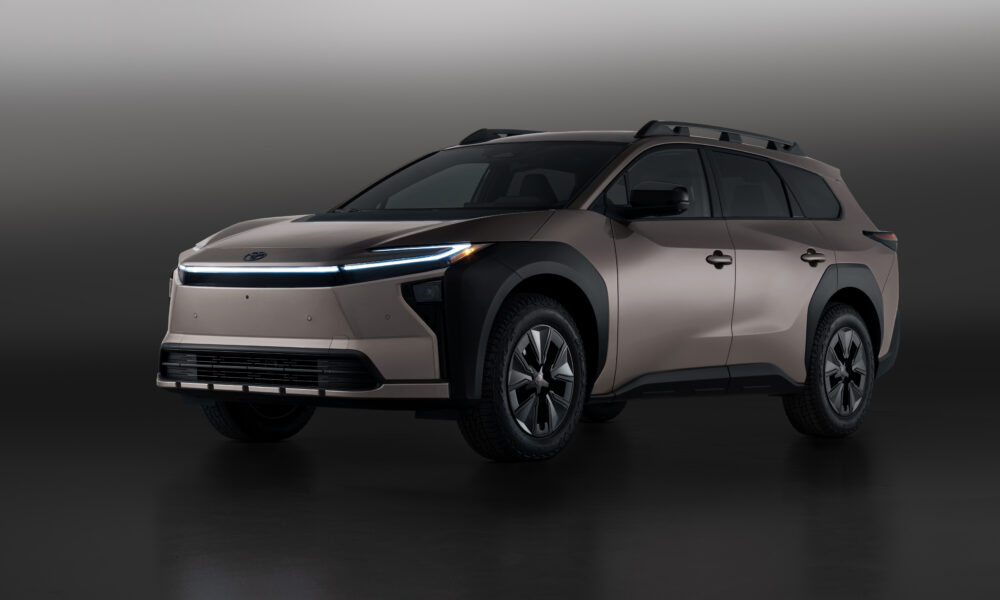


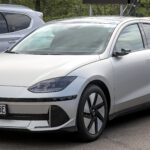
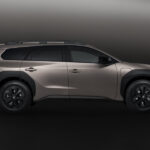

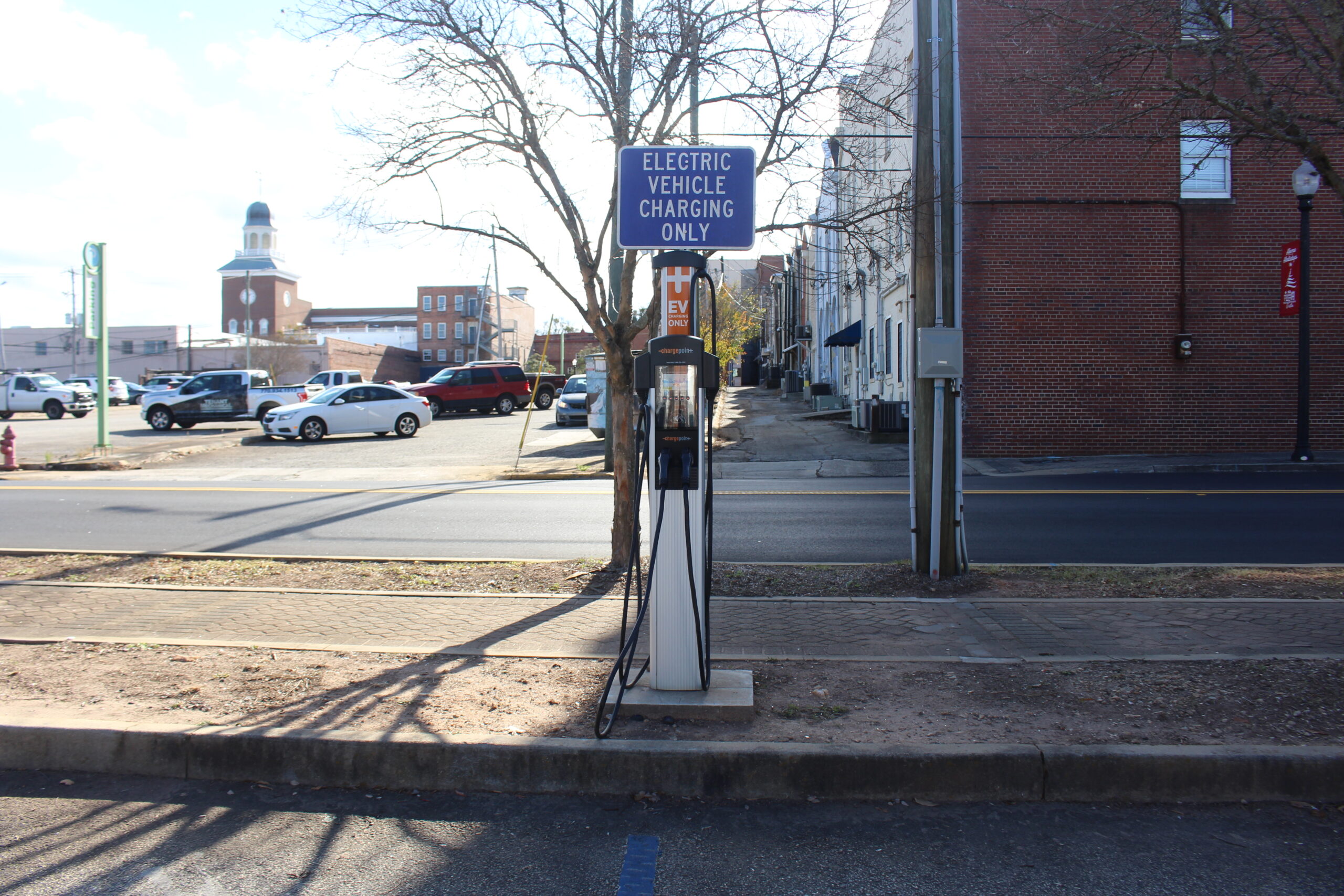
Toyota’s new bZ Woodland peaks at 150 kW charging on its 400-volt e-TNGA platform — solid, but far behind the fastest 800-volt EVs on sale today. That gap exposes a real industry split: 400-volt EV architecture is still what most automakers ship, even though 800-volt systems demonstrably charge faster. Here’s why the switch hasn’t happened everywhere at once.
What the voltage number actually changes
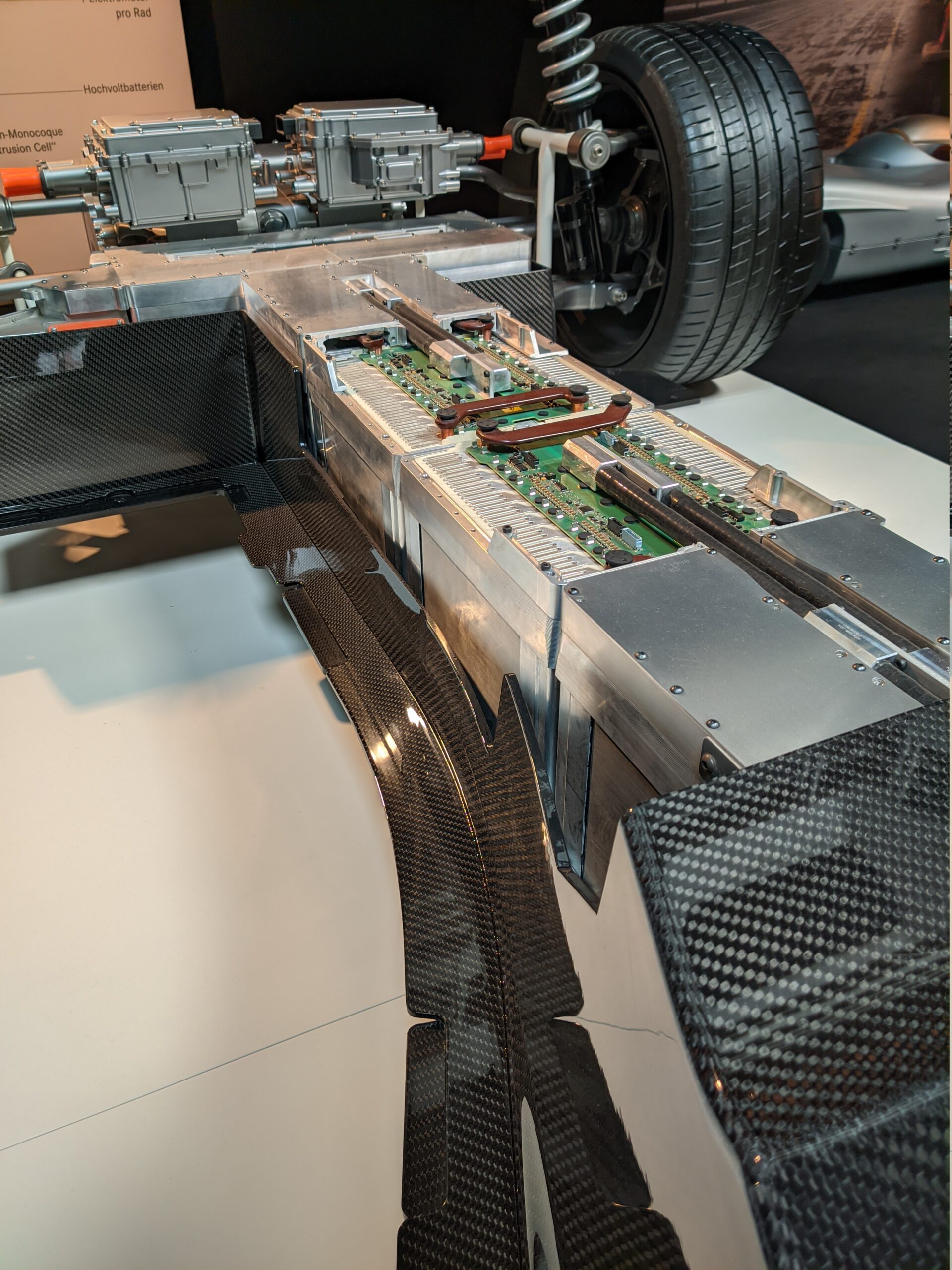
Charging speed is a function of both voltage and current (power = volts x amps). Doubling system voltage lets an automaker hit the same charging power with half the current, which means thinner, lighter, cheaper cabling and motor windings throughout the car, not just at the charge port. That’s why 800-volt EVs can sustain higher peak charging rates without the heavy copper wiring a 400-volt system would need to hit the same number.
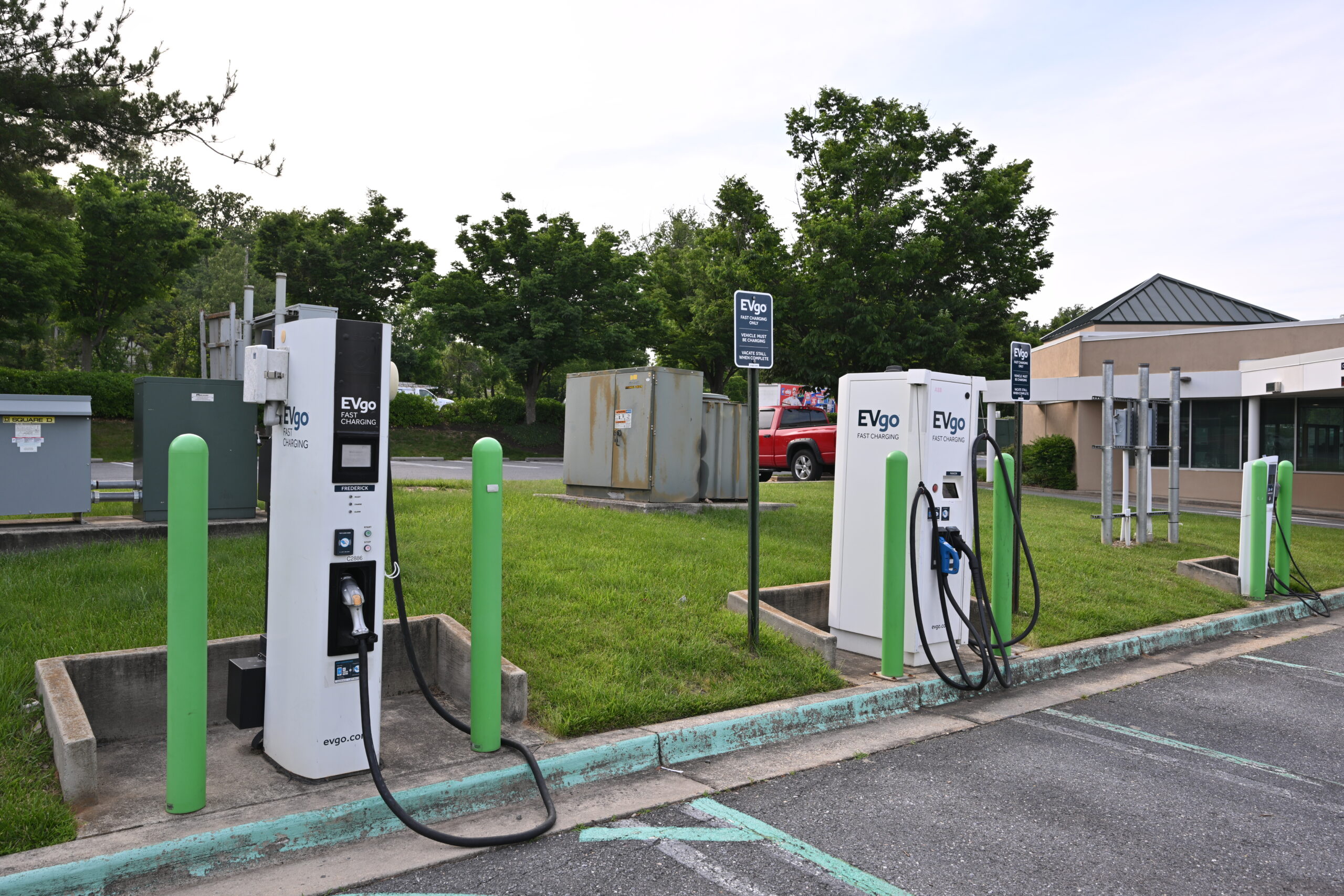
Why automakers don’t just switch
Moving to 800 volts means redesigning the motor, inverter, and most of the high-voltage wiring harness, not swapping one component. That’s a platform-level decision made years before a car reaches a dealer lot, which is why it shows up in waves tied to new platforms rather than gradually across existing ones. Toyota’s bZ Woodland rides on the e-TNGA platform first developed years ago, so it inherited 400 volts by design, not by choice on this specific model.
There’s also a cost tradeoff that cuts the other way: 800-volt components, especially silicon carbide power electronics, cost more today than their 400-volt equivalents. For automakers chasing lower sticker prices, like Toyota with the bZ line, 400 volts is often the economically rational choice even knowing it trails on charging speed.
Does it actually matter for most drivers?
For home charging on AC power, voltage architecture makes no real-world difference — overnight charging speeds are governed by the home circuit, not the car’s internal voltage. It matters almost entirely on road trips, where the difference between a 150 kW peak and a 350 kW peak can mean the difference between a 30-minute stop and an 18-minute one. For buyers who rarely road-trip, a 400-volt car’s slower peak rate is a minor footnote; for frequent long-distance drivers, it’s a real factor worth weighing against price.
See our review of the Kia EV3, another 400-volt platform, and ChargePoint’s own look at charging infrastructure demand for more on how charging speed plays out across today’s EV lineup. Spec details on the bZ Woodland’s charging system come from InsideEVs’ full review.