Late-summer sale events are flooding e-bike and scooter listings with markdowns right now, from major retailer anniversary sales to direct manufacturer discounts. Not every advertised percentage off reflects a genuine price cut. Some listings simply raise a reference price before applying the discount, a pattern worth recognizing before treating any single sale badge as a reason to buy.
What’s Actually Happening With Current E-Bike Sale Events
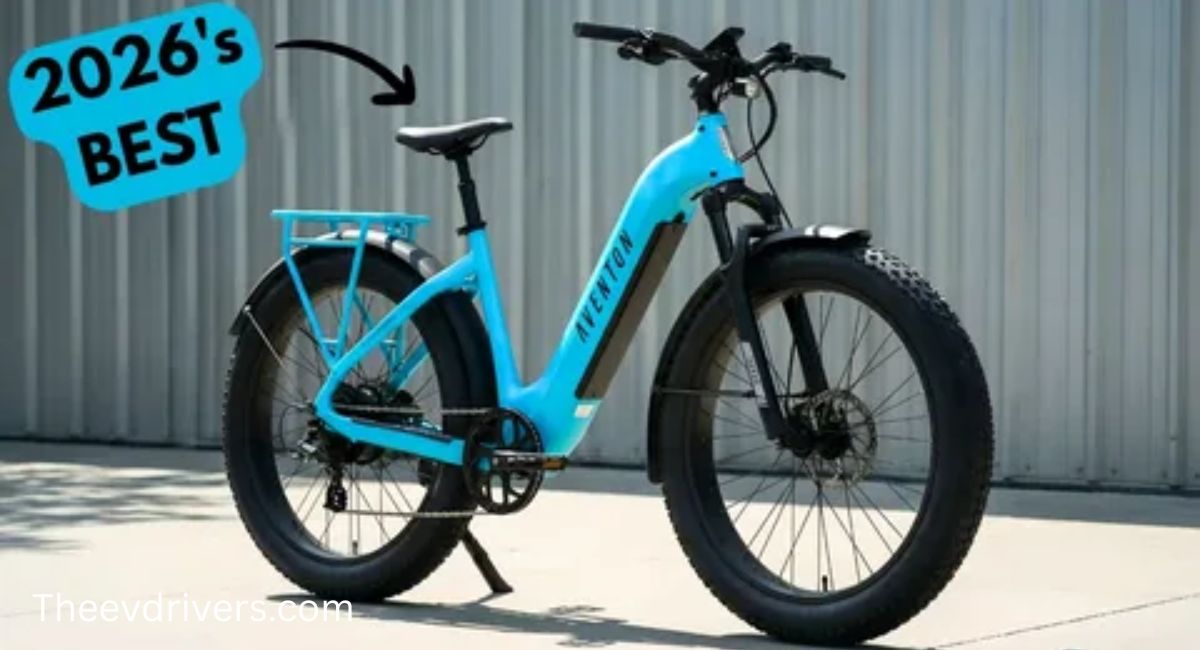
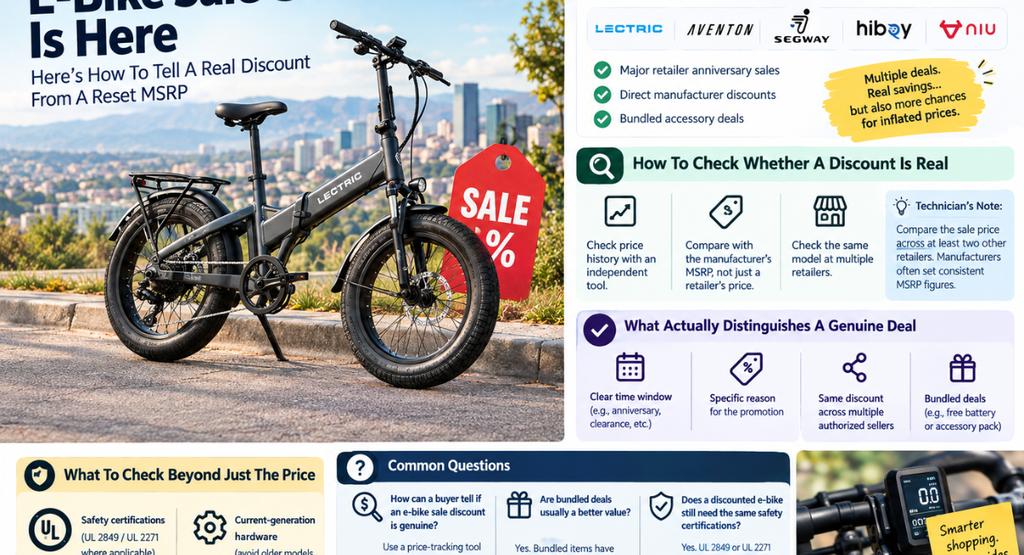
Multiple e-bike and scooter discounts are running simultaneously right now, spanning major retailer anniversary sales, direct manufacturer promotions, and bundled accessory deals across brands including Lectric, Aventon, Segway, Hiboy, and NIU.
That overlap creates a genuinely competitive pricing window for buyers, but it also creates more opportunities for inflated reference pricing to slip past a shopper comparing multiple simultaneous deals quickly.
How To Check Whether A Discount Is Real
Checking a specific model’s price history through an independent price-tracking tool reveals whether the current ‘sale’ price actually differs from what the same listing charged a month or two earlier.
A discount calculated against a manufacturer’s official MSRP carries more weight than one calculated against a retailer’s own recently listed price, since the retailer’s reference price is easier to adjust upward before a sale begins.
Technician’s Note: Compare the sale price against the same model’s price on at least two other retailers before assuming a single site’s advertised discount reflects the best available deal. Manufacturers often set consistent MSRP figures across authorized retailers.
What Actually Distinguishes A Genuine Deal
A genuine discount typically comes with a clear time window, a specific reason for the promotion, such as a retailer anniversary or model-year clearance, and consistency with the same discount appearing across multiple authorized sellers.
Bundled deals, like an included extra battery or accessory pack at no added cost, often represent better real value than a percentage-off headline number, since the bundled item carries a verifiable standalone price to compare against.
What To Check Beyond Just The Price
A discounted e-bike still needs to meet the same certification and safety standards as a full-price model, so confirming UL 2849 or UL 2271 battery certification status matters just as much on a sale item as on a full-price purchase.
Checking whether a sale-priced model represents current-generation hardware, rather than an older model being cleared out ahead of a redesign, avoids paying a discounted price for outdated specifications.
Common Questions About Spotting Real E-Bike Discounts
How can a buyer tell if an e-bike sale discount is genuine?
Checking a model’s price history through an independent price-tracking tool, and comparing the sale price against the manufacturer’s official MSRP rather than a single retailer’s own reference price, reveals whether a discount is real.
Are bundled e-bike deals, like a free extra battery, usually a better value than a percentage discount?
Often yes, since a bundled item like an extra battery carries a verifiable standalone price to compare against, making the actual savings easier to confirm than a percentage-off figure calculated against an adjustable reference price.
Does a discounted e-bike still need to meet the same safety certifications as a full-price model?
Yes. UL 2849 or UL 2271 battery certification requirements, where applicable by state, apply regardless of a bike’s sale price. Confirming certification status matters just as much on a discounted purchase as a full-price one.