ebike-tariffs-class-labels-2026

New Component Tariffs Are Quietly Changing What Class Label Actually Means On An E-Bike

A new 25 percent tariff on standalone e-bike battery packs from China took effect in 2026, layering onto an existing 25 percent tariff on complete China-sourced e-bikes. Budget brands are responding by sourcing components from multiple countries to manage cost. That shift is quietly making Class 1, 2, and 3 labeling less reliable than it…

Read Full News
UL 2849

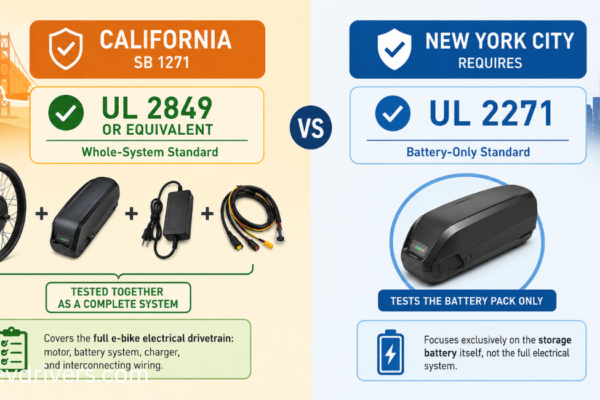
UL 2849 E-Bike Is Spreading State By State, But New York And California Don’t Actually Require The Same Thing

California’s SB 1271 took effect January 1, 2026, requiring e-bike batteries to meet UL 2849 or an equivalent standard. New York City takes a different approach entirely. Most coverage treats both cities as enforcing the same rule. They aren’t, and that distinction changes what a shopper should actually check on a listing. Why California And…

Read Full News
lectric-ebikes-billion-sales-signal

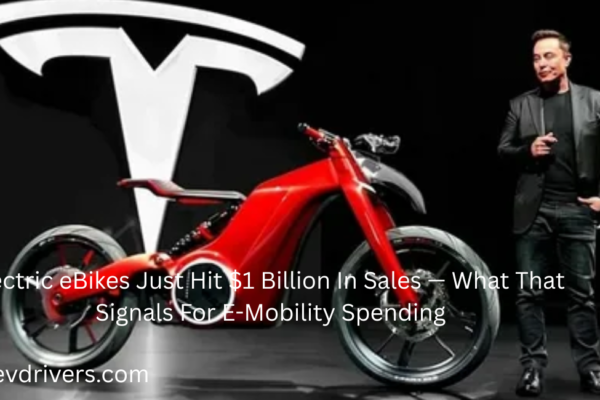
Lectric eBikes Just Hit $1 Billion In Sales — What That Signals For E-Mobility Spending

Lectric eBikes crossed $1 billion in total e-commerce sales and sold its 750,000th electric bicycle on the same day. Most coverage will treat that as a single press release. The sharper read reveals where consumer transportation spending is actually moving, as EV purchase costs climb and lighter e-mobility options stay comparatively cheap. What Actually Happened…

Read Full News
epa-range-vs-real-world-testing

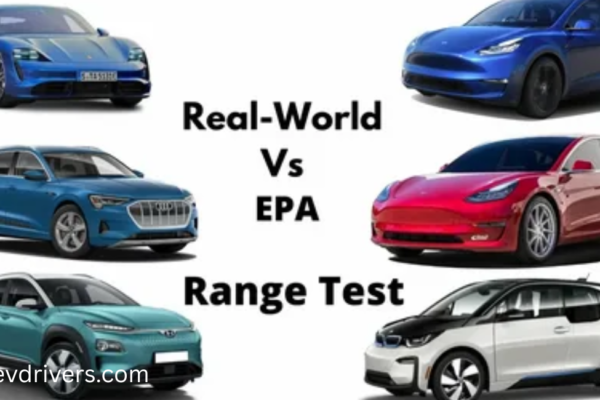
We Checked Whether ‘Best EV’ Range Claims Agree With Real Testing — They Mostly Don’t

Every EV carries an EPA range rating built from a laboratory cycle, not a real commute. Independent testers drive the actual mileage instead. Edmunds’ own range tests show results swinging from 20 percent above EPA estimates to nearly 10 percent below them, depending on the vehicle. Most reviews still quote the EPA number alone, without…

Read Full News
connected-vehicle-security-act-2026

Congress Just Advanced A Bill That Could Ban Chinese-Linked EV Tech

The Senate Commerce Committee passed the Connected Vehicle Security Act of 2026 with unanimous bipartisan support on July 22. Most coverage stopped at the headline vote. The bill’s foreign-ownership threshold reaches further than most automakers realize, and its restrictions phase in on two separate timelines that matter for anyone buying a connected vehicle. What The…

Read Full News