



The industry-wide shift to NACS charging is well underway, but 2026 remains what one industry tracker calls the messy middle of that transition. Only 32 of 96 tracked EV models currently ship with a native NACS port. The rest still rely on CCS1 with an adapter, and which specific vehicles fall into which group is not always obvious from marketing alone.
What Native NACS Actually Means
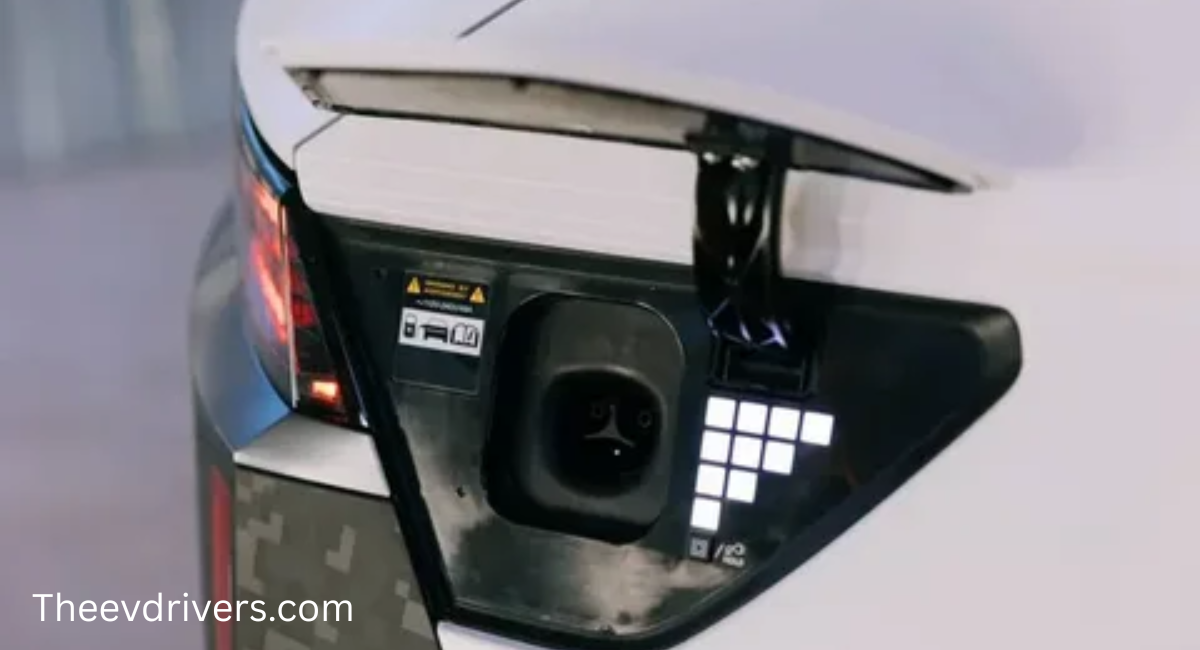
A vehicle equipped with a native NACS port plugs directly into a Tesla Supercharger without any adapter. Tesla developed NACS, now standardized as SAE J3400, and later opened the connector as an industry-wide standard.
A vehicle carrying a CCS1 port instead needs a NACS-to-CCS1 adapter to use Superchargers open to non-Tesla vehicles. Physical adapter access alone does not guarantee a charging session; the vehicle also needs software authorization through the manufacturer’s app.
Which Vehicles Actually Have Native Ports Right Now
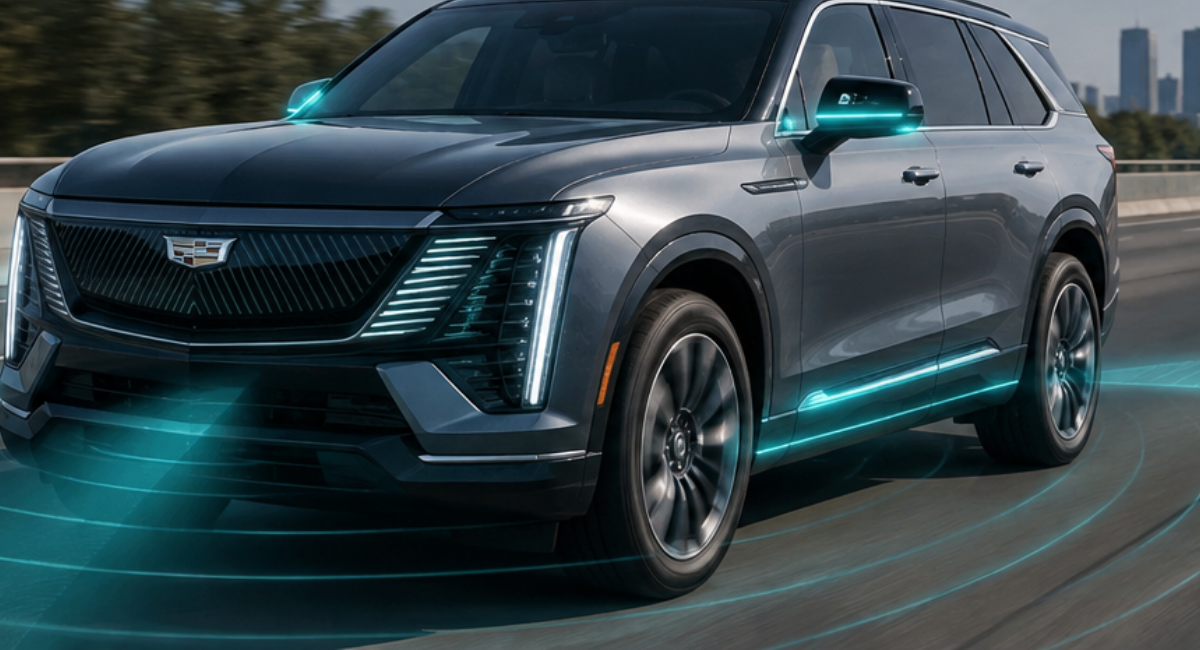
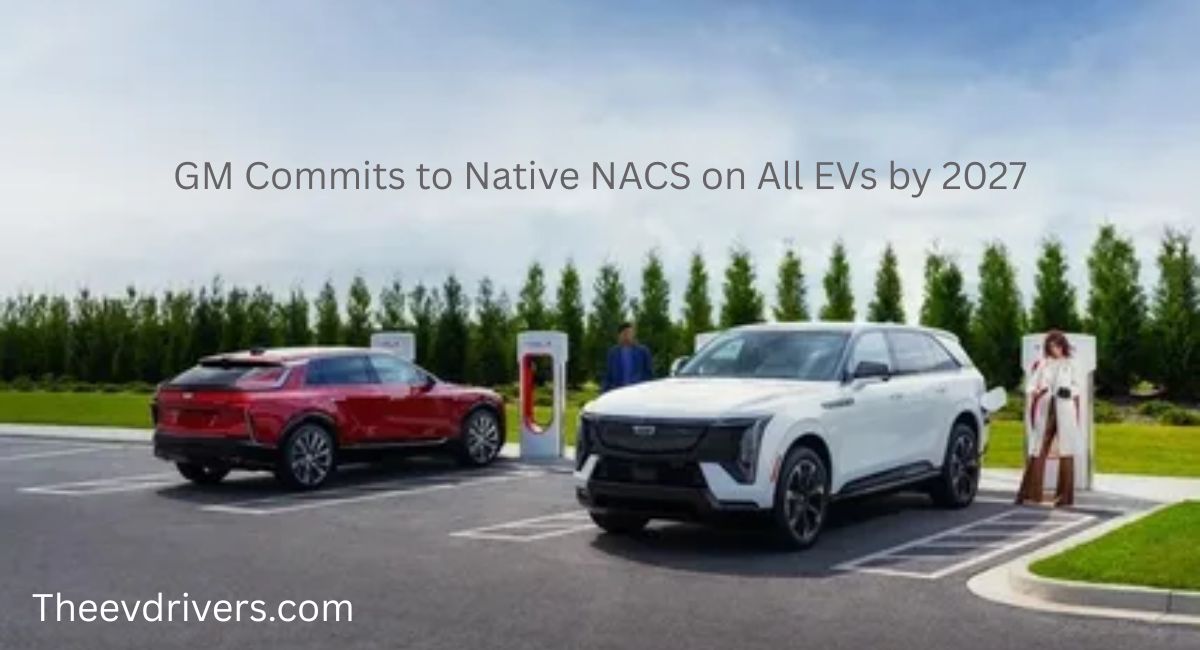
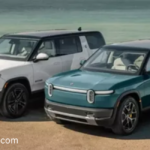
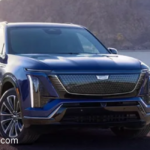
As of mid-2026, native NACS ports appear on Tesla’s entire lineup, the Hyundai Ioniq 5, Ioniq 6, and Ioniq 9, Kia’s EV6 and EV9, Rivian’s 2026 R1S and R1T, and Cadillac’s 2026 Optiq and Optiq-V.
The Cadillac Optiq marks GM’s first model carrying a native NACS port, while the automaker’s other EVs, including the Escalade IQ, still rely on CCS1 with an available adapter.
Technician’s Note: Verify the exact trim and model year before assuming native NACS applies. Automakers are adding native ports model-by-model rather than switching an entire lineup at once.
Which Popular Models Still Require An Adapter
Most 2026 EVs on sale today still ship with CCS1, including the Ford Mustang Mach-E and F-150 Lightning, most of GM’s lineup outside the Optiq, the Volkswagen Group’s EVs, BMW, most Mercedes-Benz models, Volvo, Polestar, and the Lucid Air.
Some automakers still supply complimentary adapters. Genesis continues providing a free NACS adapter to existing GV60, GV70, and GV80 owners on request, though most other brands’ free-adapter windows have closed.
What Buying The Wrong Adapter Actually Costs
Quality aftermarket NACS-to-CCS1 adapters from established brands cost roughly $150 to $230. Buying the wrong adapter type ranks as a common mistake, since compatibility depends on matching a vehicle’s port to the specific charging network the driver targets.
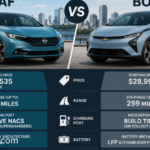
The Nissan Leaf’s pre-2026 CHAdeMO models cannot access Superchargers at all, regardless of adapter, since CHAdeMO relies on a communication protocol that fails to interoperate with NACS and CCS1 at the data layer.
Common Questions About NACS Adapter Compatibility
Do all 2026 EVs come with a native NACS charging port?
No. As of mid-2026, only 32 of 96 tracked EV models ship with a native NACS port. The majority still use CCS1 and require a NACS-to-CCS1 adapter to access Tesla Superchargers.
Does having a NACS adapter guarantee Supercharger access?
Not by itself. Physical adapter compatibility is necessary but not sufficient; software authorization through the vehicle manufacturer’s own app is also required before a Supercharger session will start.
Can a Nissan Leaf with CHAdeMO charging ever access Tesla Superchargers?
No, for pre-2026 CHAdeMO models. CHAdeMO relies on a communication protocol incompatible with NACS and CCS1 at the data layer, so no adapter can bridge that gap regardless of the physical connector shape.