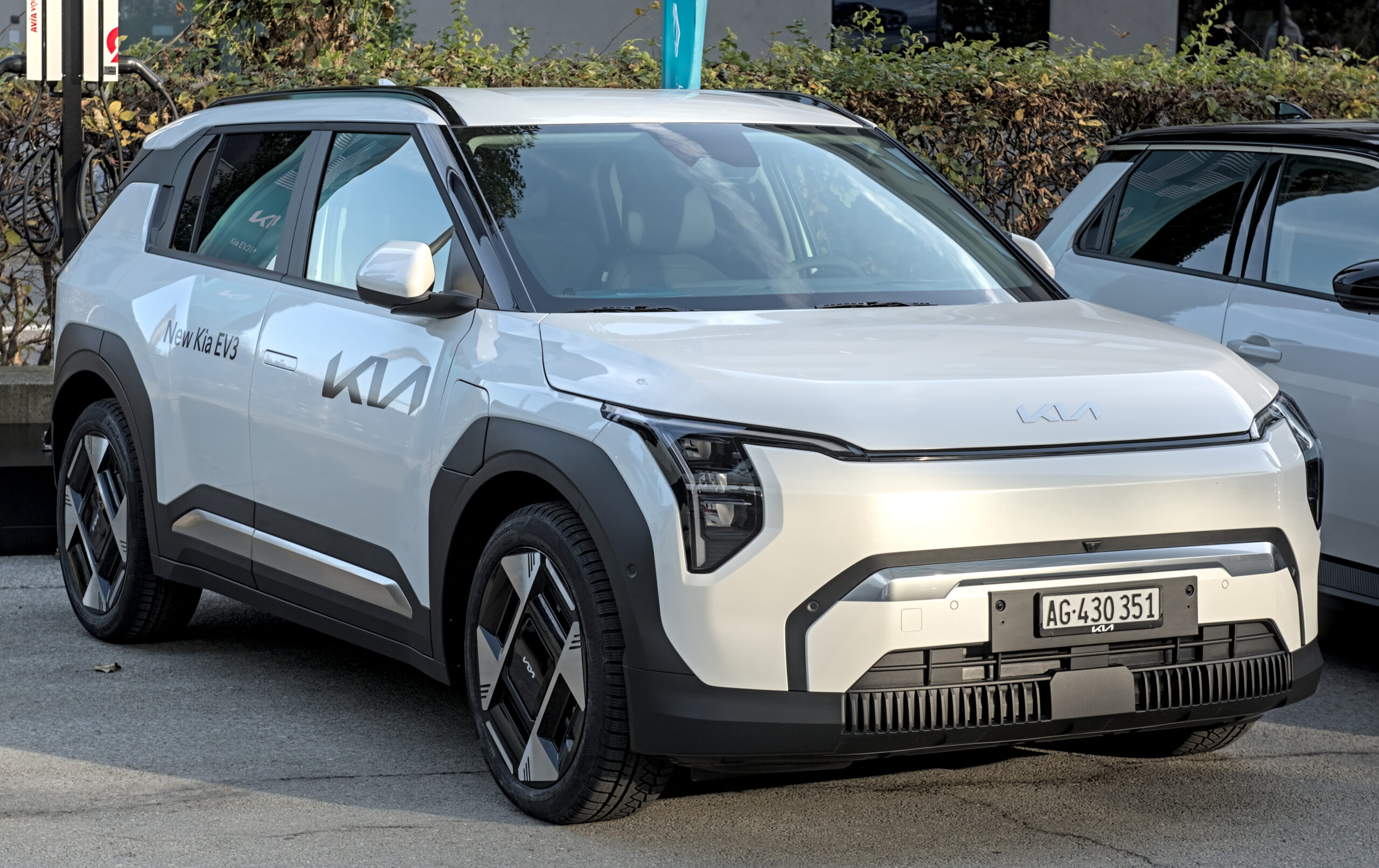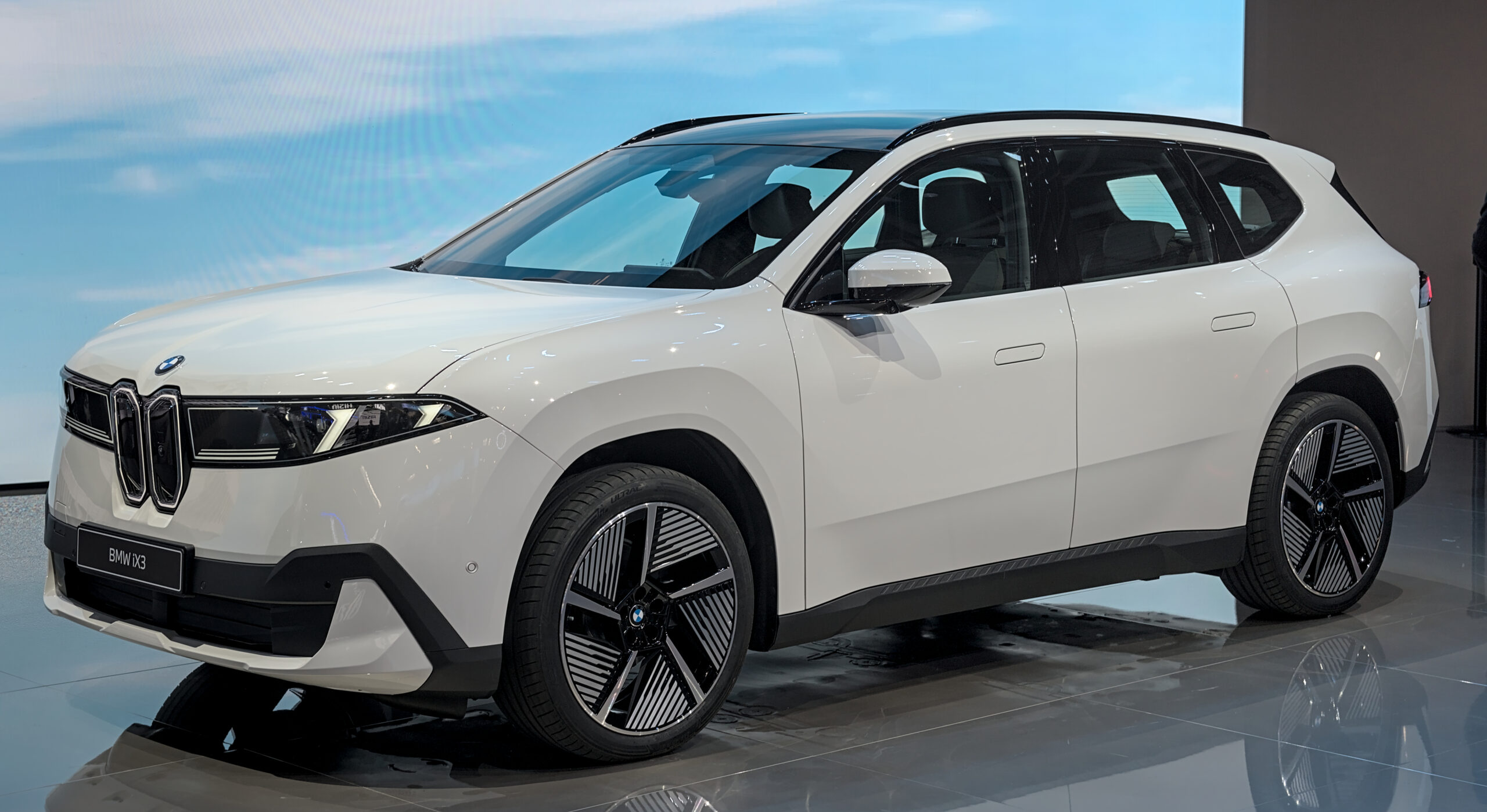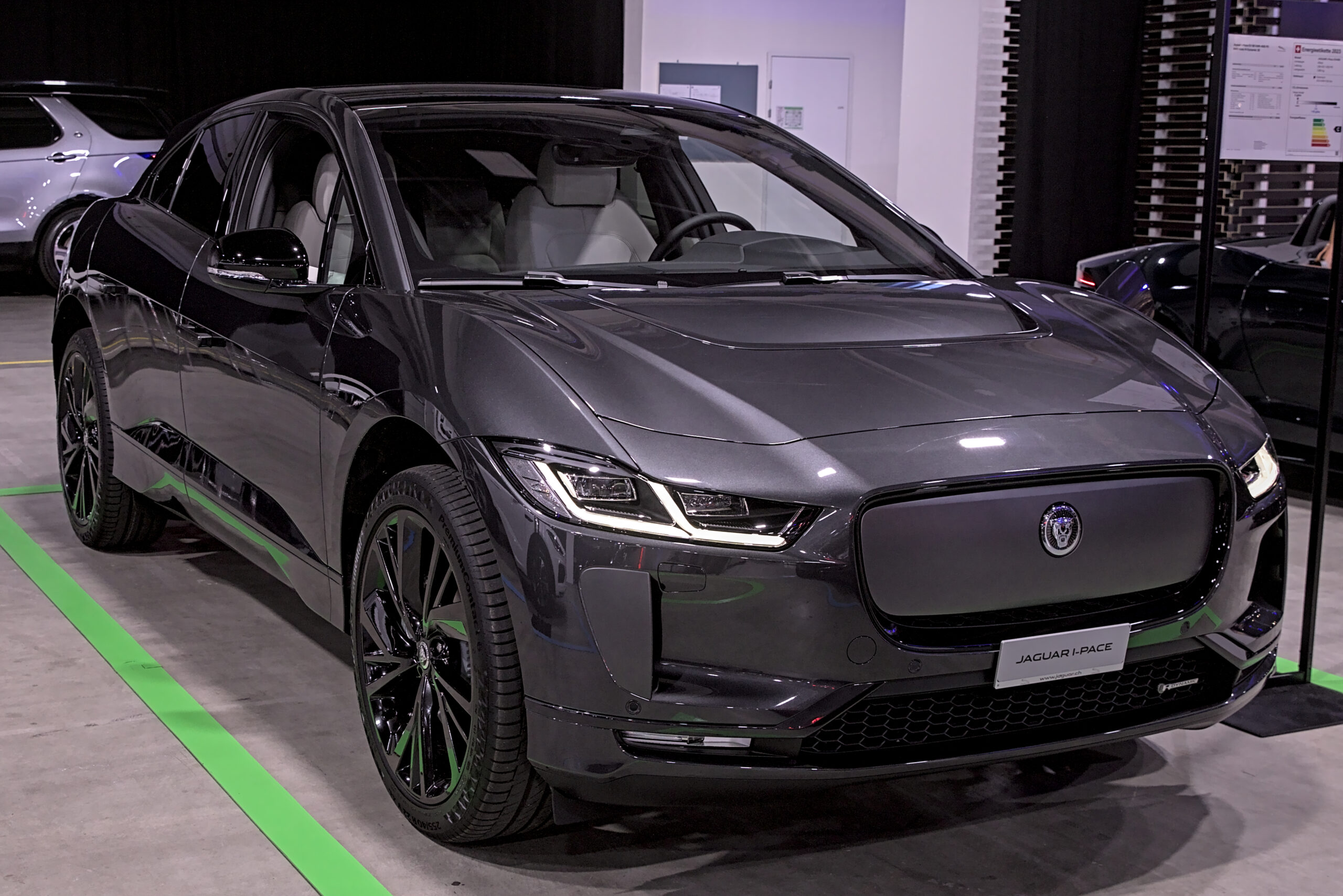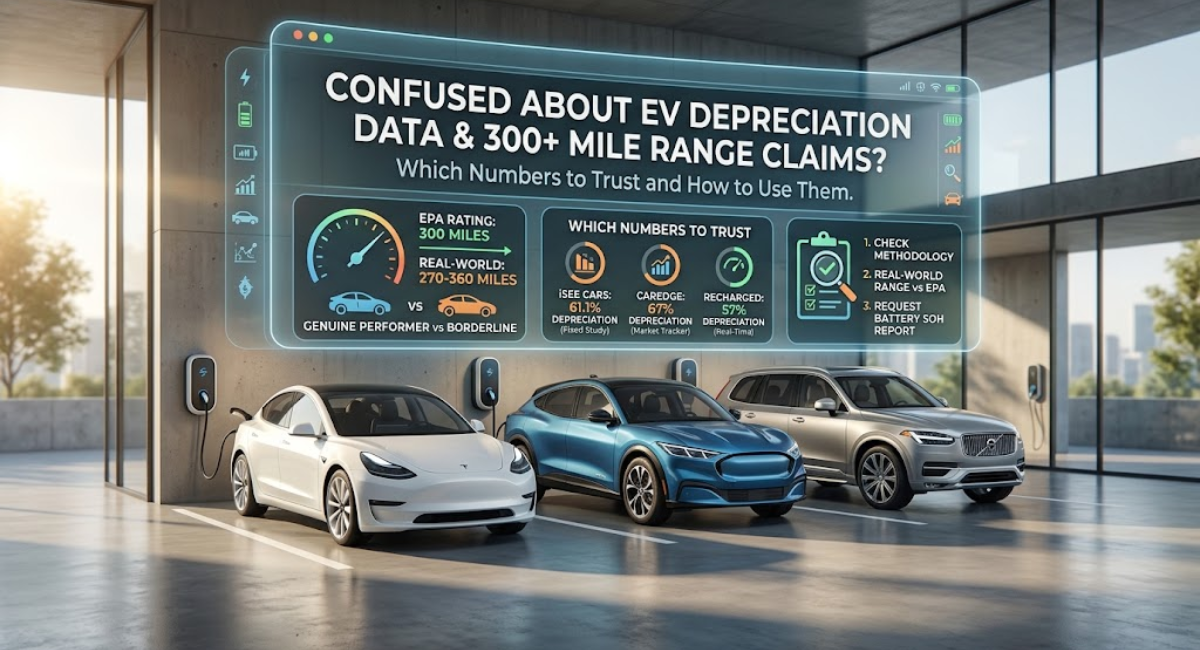
The count of EVs offering at least 300 miles of EPA-rated range just climbed to 46 models, four more than the previous tracked update. That growing club makes 300-mile range look increasingly like table stakes rather than a genuine differentiator. Whether all 46 actually deliver that range in typical driving is a separate question the club’s headline count doesn’t answer.
What The Growing Count Actually Reflects
Forty-six electric vehicles currently carry an EPA-rated range of 300 miles or more, according to the most recent industry tracking update, a four-model increase since the prior count was published.
That growth reflects genuine battery and efficiency improvements across the industry broadly, not just a handful of outlier luxury models, as 300-mile range has spread into increasingly mainstream, moderately priced vehicles.
Why Membership In This Club Doesn’t Guarantee Equal Real-World Range
A 300-mile EPA rating reflects a blended city-and-highway laboratory test cycle, not sustained highway driving specifically, meaning two vehicles both rated at exactly 300 miles can deliver meaningfully different results on an actual road trip.
Independent testing has repeatedly shown a wide spread between EPA ratings and real-world results, with some vehicles exceeding their EPA figure by 20 percent in controlled road testing and others falling nearly 10 percent short.
Technician’s Note: Check a specific vehicle’s independently tested real-world range, not just its EPA figure, before assuming its position in a ‘300-mile club’ translates directly to road-trip capability. The club’s entry threshold and actual performance are separate measurements.
What Separates A Genuine 300-Mile Performer From A Borderline One
A vehicle rated at exactly 300 or 301 miles sits at the club’s minimum threshold, while a vehicle rated well above 350 or 400 miles carries more buffer against the real-world factors, cold weather, cargo, highway speed, that typically reduce range below the EPA figure.
Wheel size affects this buffer too, since a vehicle’s base trim with smaller wheels often carries meaningfully more range than the same model’s upgraded trim with larger wheels, despite sharing the same underlying battery pack.
How To Read A ‘300-Mile Range’ Claim Correctly
Treating 300-mile membership as a minimum baseline rather than a meaningful differentiator reflects where the segment has actually moved, since a list of 46 qualifying models makes the distinction far less exclusive than it was even two years ago.
Comparing the specific margin above 300 miles, and cross-checking that figure against independent real-world testing where available, gives a more useful picture than simply confirming a vehicle appears on the list at all.
Common Questions About 300-Mile Range EV Claims
How many EVs currently offer 300 miles of range or more?
Forty-six models currently carry an EPA-rated range of 300 miles or more, according to the most recent industry tracking update, four more than the count reported in the prior update.
Does a 300-mile EPA rating guarantee 300 miles of real-world range?
No. EPA ratings reflect a blended lab test cycle, not sustained highway driving. Independent testing shows real-world results ranging from 20 percent above to nearly 10 percent below the EPA figure, depending on the vehicle.
Why does it matter if a vehicle is rated at exactly 300 miles versus well above it?
A vehicle rated just above the 300-mile threshold carries less buffer against real-world range reducers like cold weather, cargo, and highway speed than one rated well above 350 miles, even though both qualify for the same list.