
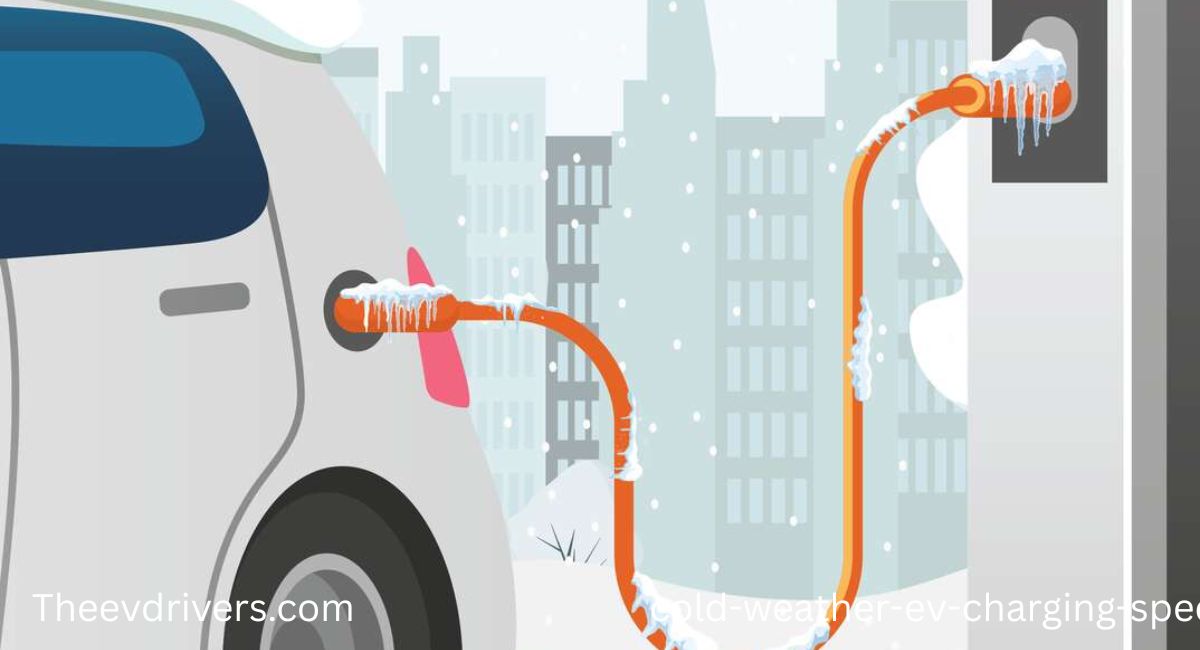
Winter driving season already reminds owners that range drops in the cold. Fewer owners realize charging itself slows down at the same time. The slowdown can reach dramatic levels at very low temperatures. A national laboratory review, alongside independent testing, points to one shared cause. That cause is a cold battery, not a broken charger. Preconditioning before a charging stop addresses that cause directly.
Why A Cold Battery Charges More Slowly
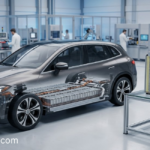
Lithium-ion chemistry relies on ions moving through an electrolyte between the battery’s two electrodes. Cold temperatures increase resistance to that movement, which slows how fast the battery can safely accept current.
Idaho National Laboratory research found cold conditions can slow DC fast-charging speed by up to three times compared to warm conditions. At very low temperatures, a cold pack may need thirty to forty minutes of warm-up before accepting a meaningful fast-charging rate.
Technician’s Note: Never assume a fast charger is malfunctioning during a slow cold-weather session. The charger is often working correctly, throttled by the battery’s own protective software.
Preconditioning Solves More Than Owners Expect
Preconditioning warms the battery using grid power, or the vehicle’s own reserve, before a charging stop begins. Most 2024-and-newer EVs trigger this automatically when a fast charger is set as a navigation destination.
Skipping this step means the vehicle arrives at the charger still cold. The first several minutes of that session then run at a fraction of the rated speed, adding real time to a road trip.
Technician’s Note: Set the charging stop as the actual navigation destination, not just a nearby address. That routing detail is what triggers automatic preconditioning on most models.
Range Loss Versus Charging Slowdown Are Different Problems
Range loss in the cold comes mostly from cabin heating, not battery chemistry. Independent AAA testing found EVs lost an average of 39 to 41 percent of range at 20 degrees Fahrenheit with the heater running.
Charging slowdown comes from the battery chemistry itself, separate from cabin heating entirely. A driver can reduce range loss with seat heaters instead of cabin heat, but that habit does nothing for charging speed at the next stop.
What Actually Helps On A Winter Road Trip
Garage parking overnight, even at a modest temperature, preserves morning range and shortens the next preconditioning cycle. Plugging in overnight also lets the vehicle use wall power for battery warming instead of pack energy.
Reducing highway speed by five miles per hour meaningfully cuts cold-weather energy use. The combined effect of drag and cold-weather inefficiency penalizes higher speeds more than most drivers expect.
Planning A Fast-Charging Stop In Freezing Weather
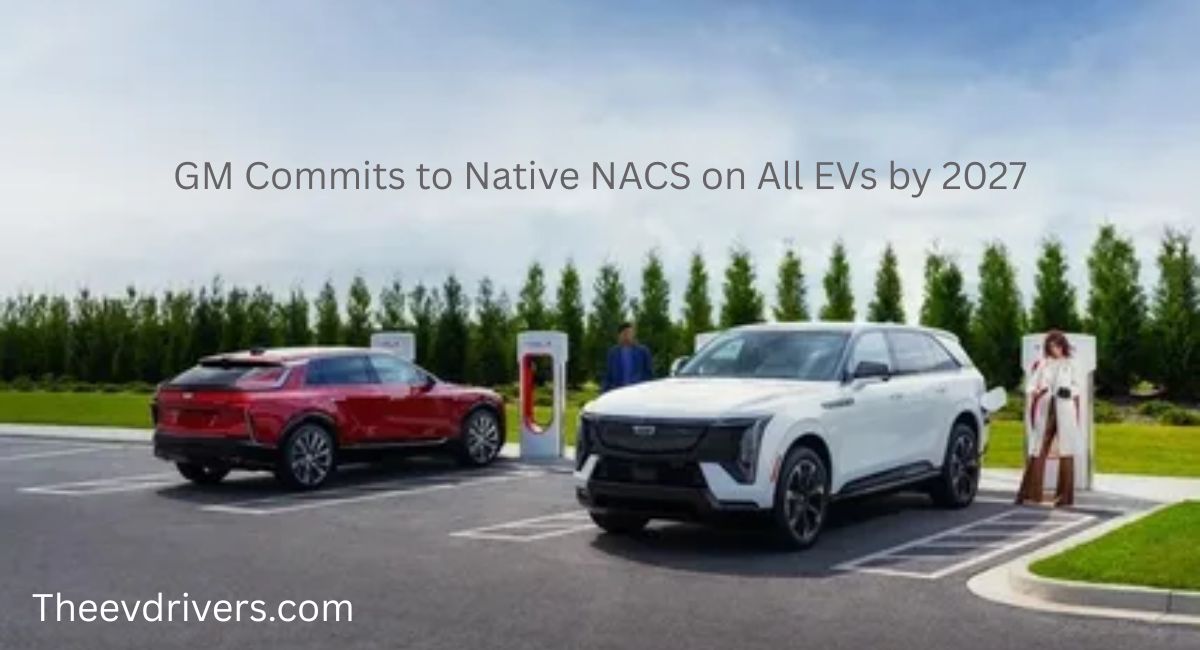
Route through the vehicle’s built-in navigation whenever a fast-charging stop is planned. This single habit accounts for most of the difference between a fast, uneventful stop and a frustrating thirty-minute wait.
Building in extra time during the coldest days of the season remains wise regardless of preconditioning. Even a well-prepared vehicle charges somewhat slower at ten degrees than it does at fifty.
Common Questions About Cold Weather EV Charging
Does cold weather cause permanent battery damage?
No, based on current research. Range and charging speed losses in cold weather are temporary and return to normal as temperatures rise. No long-term capacity damage results from cold-weather driving or charging alone.
How much can charging speed actually drop in freezing temperatures?
Idaho National Laboratory research found DC fast-charging speed can slow by up to three times in cold conditions compared to warm weather, with the most severe slowdown occurring below roughly zero degrees Fahrenheit.
Does preconditioning use extra range?
Preconditioning while still plugged in uses grid power, not battery range, when done before departure. Preconditioning while already unplugged and driving does draw from the battery, which is why timing this step correctly matters most.