
Bidirectional charging finally moved past pilot-project jargon in 2026. Ford, GM, Hyundai, Kia, Tesla, and Nissan owners now see real hardware on dealer lots. Marketing labels many of these EVs “V2H-ready.” That label rarely means what buyers assume. A vehicle-to-load outlet can run a drill or a mini fridge. It cannot power a home panel during a blackout. Most guides blur V2L, V2H, and V2G into one feature, and that blur costs buyers real backup capability.
The Three Letters That Actually Matter
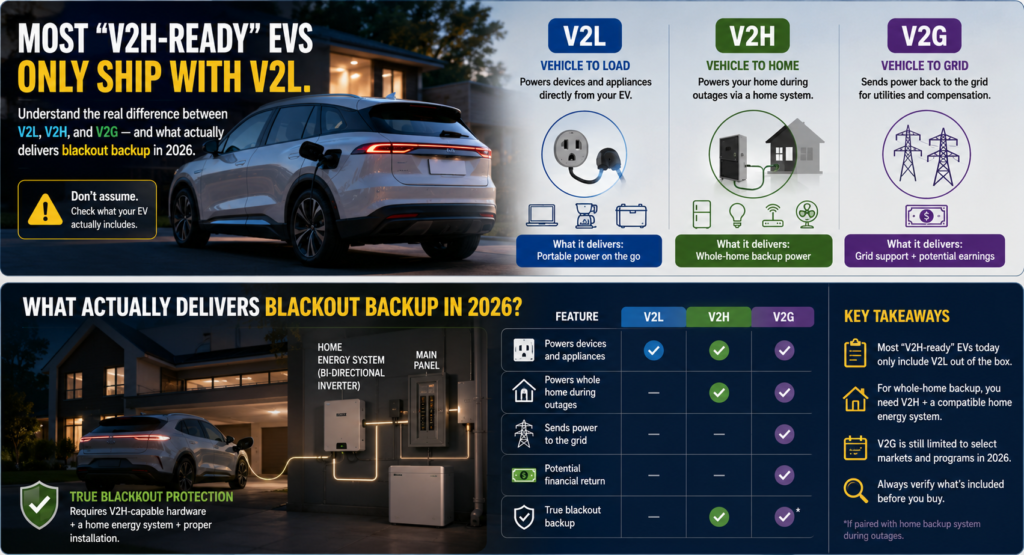
Vehicle-to-load, or V2L, uses a factory outlet built into the car itself. It typically outputs 1.5 to 3.6 kilowatts, enough for power tools or a job site, not a house.
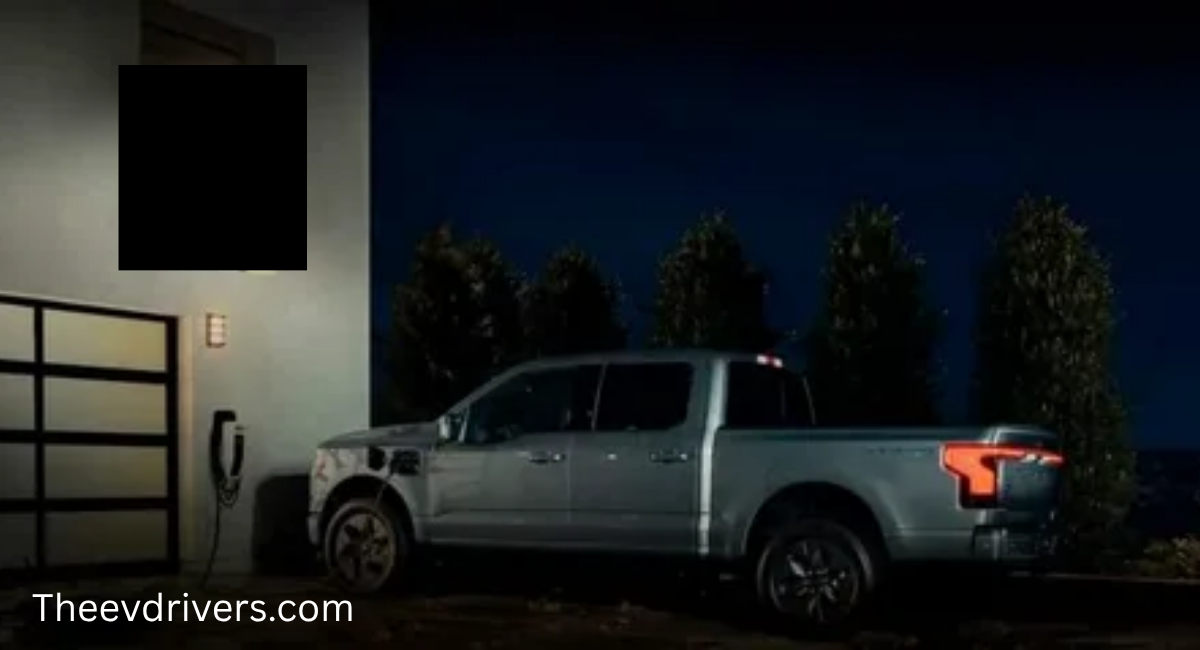
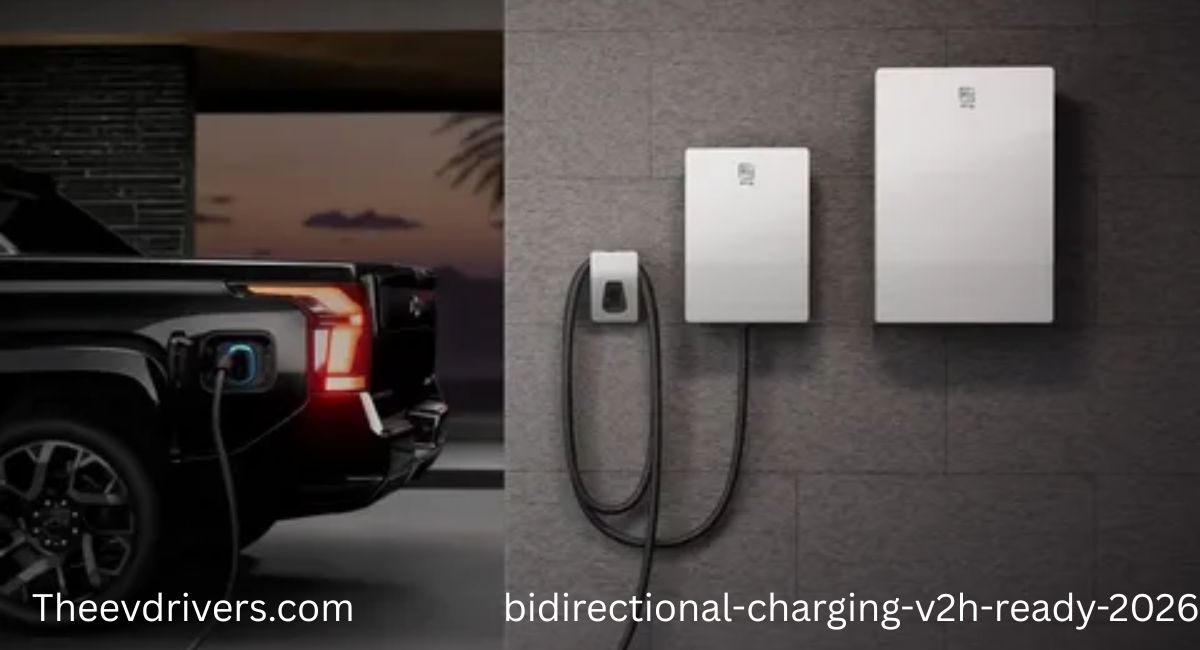
Vehicle-to-home, or V2H, powers an entire home electrical panel instead of one outlet. It requires a certified bidirectional charger and, in nearly every case, a transfer switch installed by a licensed electrician.
Vehicle-to-grid, or V2G, adds a third layer on top of V2H. It requires a signed utility contract and a virtual power plant platform that schedules exactly when power flows back to the grid.
Technician’s Note: A V2L outlet alone never qualifies as blackout backup. Confirm the specific trim supports V2H, in writing, before assuming any outage protection exists at all.
Why “V2H-Ready” Marketing Overstates What’s Installed
Many EVs now ship with bidirectional-capable hardware inside the car itself, but home-side hardware still lags well behind. No universal charger works across every brand yet, more than three years into mainstream bidirectional marketing.
GM Energy’s stack currently serves Ultium-platform vehicles specifically. Tesla’s Powershare system currently serves the Cybertruck specifically, paired with its own dedicated wall connector.
Ford’s original Charge Station Pro system, among the first mainstream V2H offerings, was reportedly discontinued in 2026 according to industry trade coverage. That shift shows hardware support can change quickly, even for an established early leader.
The Wallbox Quasar 2 and the dcbel Ara come closer to true multi-vehicle support, using the newer ISO 15118-20 communication standard. Neither one covers every EV currently on the market.
What Actually Delivers Blackout Backup Today
PG&E stands as the most mature US utility on this front. As of April 2026, the utility approved several hardware combinations, including the GM Energy bundle, the dcbel Ara, the Wallbox Quasar 2, and Tesla’s Powershare setup for the Cybertruck.
Maryland adopted the country’s first statewide V2G interconnection rules in June 2025. A residential pilot then linked a cluster of Ford F-150 Lightning trucks into one shared backup power resource for participating households.
Technician’s Note: Ask an installer for the exact hardware model number approved by the local utility, not just the vehicle’s advertised V2H capability. Utility approval and vehicle capability are two separate checkboxes, not one.
How Narrow Real V2G Access Still Is
A Connecticut utility pilot approved exactly one vehicle for its program: the Kia EV9. The pilot capped enrollment at 63 participants total, statewide.
Full-year participants received a payment near $1,350 for one full year of grid support. That structure reflects where V2G access sits today: one vehicle, one utility, one narrow region, not a nationwide feature anyone can simply opt into.
A shopper seeing “V2G capable” on a spec sheet should treat that phrase as a technical description, not an active local program. The two do not automatically travel together.
What To Confirm Before Buying For This Feature
Confirm V2H support explicitly on the specific trim’s spec sheet, not just the model line generally. Marketing pages often describe the flagship trim while lower trims quietly lack the feature.
Confirm the exact charger model the manufacturer, or the local utility, requires for that vehicle. Third-party chargers rarely qualify for either V2H or V2G enrollment.
Confirm whether the local utility runs any V2G program at all. A fully V2H-capable car sitting outside every utility’s approved list still cannot enroll in grid payments, regardless of the hardware installed.
Common Questions About Bidirectional Charging
Does a V2L outlet mean an EV can power a house during an outage?
No. V2L powers individual plugged-in devices at roughly 1.5 to 3.6 kilowatts. Powering a home panel requires V2H, a certified bidirectional charger, and usually a transfer switch, none of which V2L alone includes.
Can any V2H-capable EV also do V2G automatically?
No. V2G adds a utility contract and a virtual power plant platform on top of V2H hardware. A car and charger can fully support V2H while zero V2G program exists yet in that region.
Why did an early V2H leader like Ford reportedly step back from its own hardware?
Industry trade coverage in 2026 reported Ford’s original Charge Station Pro system was discontinued, showing hardware support in this category can shift quickly even for an established program. Confirm current availability directly with the manufacturer before purchase.