


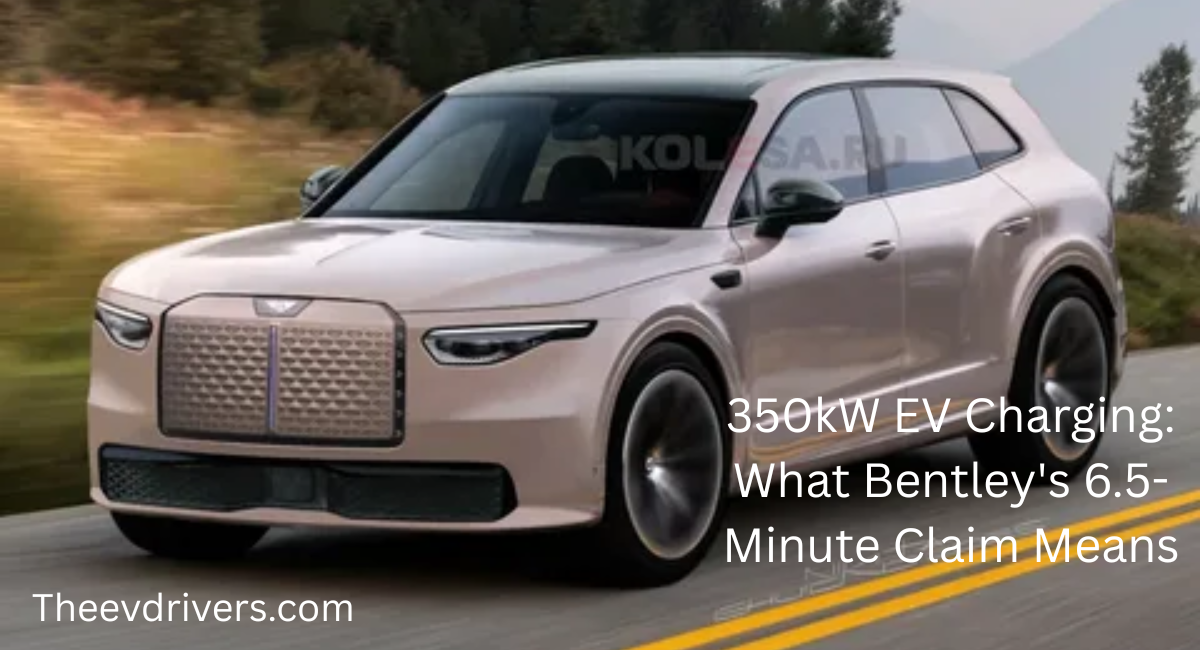
Bentley confirmed its first electric vehicle will add 100 miles of range in just 6.5 minutes, a charging speed that would rank among the fastest on the market when the vehicle arrives in 2027. That figure implies charging speeds up to 350 kilowatts. Most public infrastructure today cannot deliver anywhere near that rate, a gap that matters more than the headline number suggests.
What Bentley Actually Confirmed
Bentley detailed early specifications for its first electric vehicle, describing it as a luxury urban SUV capable of adding 100 miles of range in 6.5 minutes under ideal charging conditions ahead of its 2027 arrival.
That charging rate implies peak speeds up to 350 kilowatts, a figure that would place Bentley’s EV among the fastest-charging production vehicles announced to date, ahead of most current 800-volt competitors.
Why The Charging Network Matters More Than The Vehicle Spec
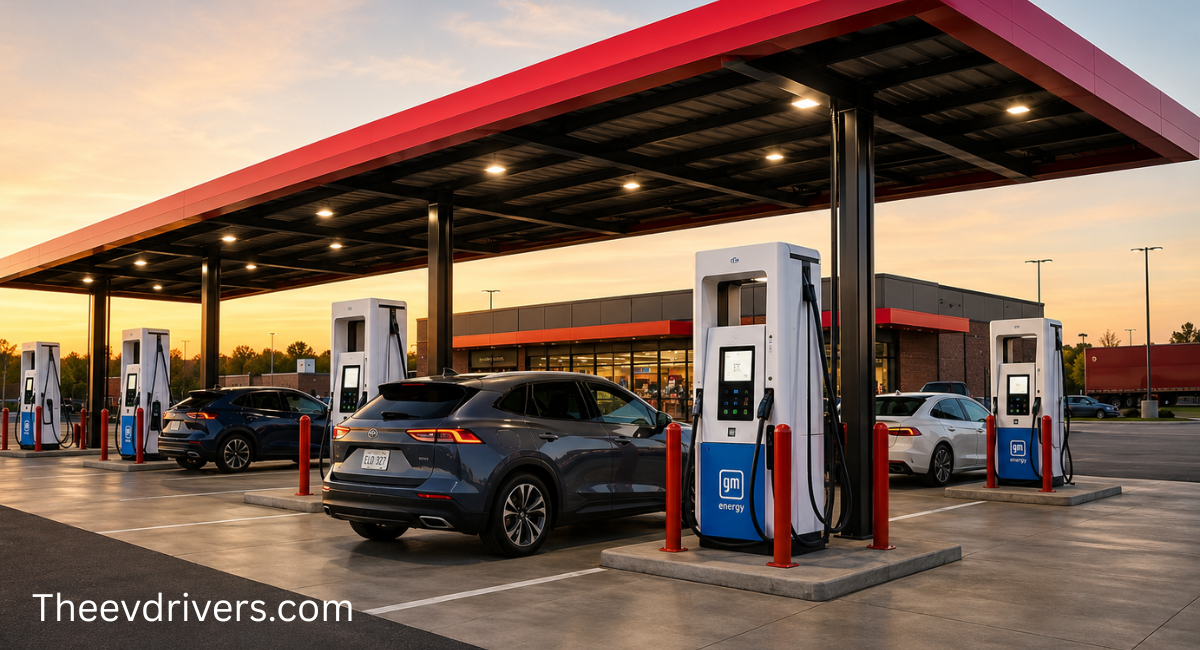
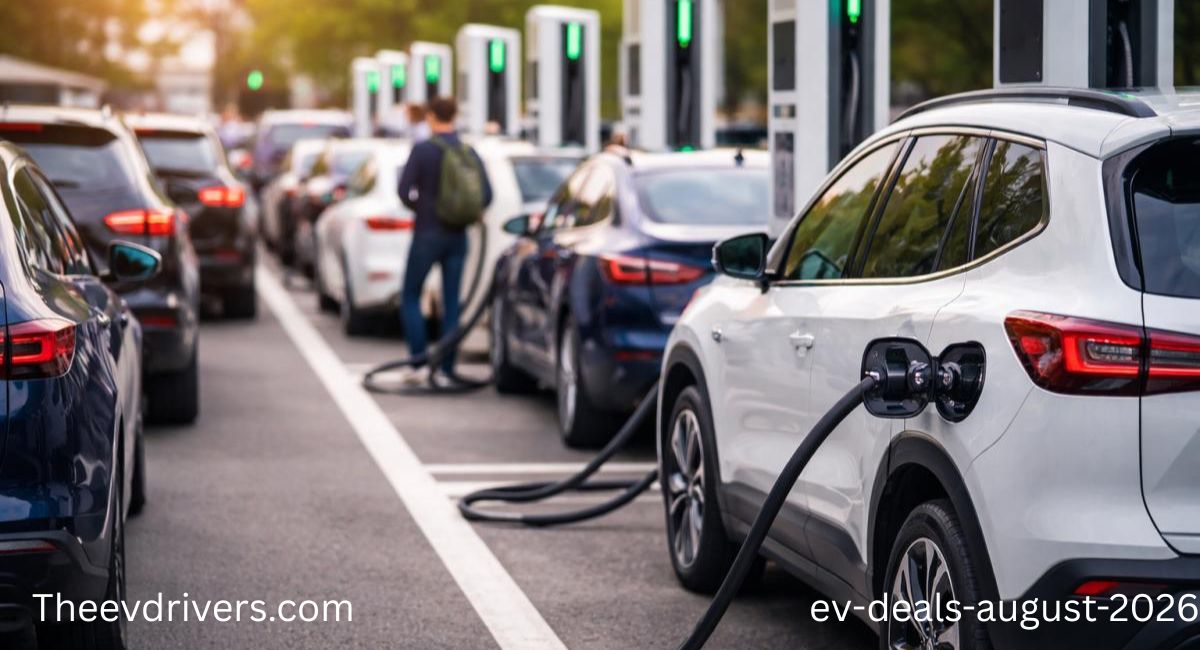
A vehicle capable of accepting 350 kilowatts still needs a charger capable of delivering that rate. Most public DC fast chargers currently top out well below that figure, limiting real-world charging speed regardless of what the vehicle itself supports.
Even Tesla’s fastest current Supercharger hardware runs below 350 kilowatts in most deployed locations. A 350kW-capable vehicle charging at a lower-rated station simply charges at that station’s maximum rate instead.
Technician’s Note: Check a charging network’s published maximum kilowatt rating for a specific station before assuming a vehicle’s peak charging spec applies there. Marketing figures describe the vehicle’s ceiling, not any single station’s actual output.
How Battery Chemistry And Voltage Architecture Factor In
Sustained ultra-fast charging above 300 kilowatts requires an 800-volt or higher electrical architecture paired with a battery chemistry engineered to handle that current without excessive heat buildup.
Thermal management becomes the limiting factor at these speeds. A battery pack lacking adequate cooling capacity tapers its charging rate well before reaching a station’s maximum output, regardless of the marketed peak figure.
What This Means Before 2027
Bentley’s figure represents a manufacturer specification for a vehicle years from production, not a capability available to any current buyer. Treating it as a near-term benchmark for cross-shopping today’s EVs overstates its relevance.
Charging infrastructure capable of delivering true 350-kilowatt sessions remains limited even now, and that infrastructure gap will likely persist through Bentley’s 2027 launch window unless network buildout accelerates significantly.
Common Questions About 350kW Charging
Can any current EV charging station actually deliver 350 kilowatts?
Very few can. Most public DC fast chargers currently top out well below 350 kilowatts, including most deployed Tesla Supercharger hardware, meaning even a 350kW-capable vehicle charges at the station’s lower maximum rate today.
What makes Bentley’s claimed 6.5-minute charging time possible?
It requires an 800-volt-or-higher electrical architecture paired with battery chemistry engineered for high current without excessive heat, plus a charging station capable of actually delivering close to 350 kilowatts.
When will Bentley’s ultra-fast-charging EV actually be available?
Bentley’s first electric vehicle is planned for 2027. The 6.5-minute, 100-mile charging figure is a manufacturer specification for that future vehicle, not a capability available to buyers today.