GM is spending $1 billion to upgrade its Spring Hill, Tennessee battery plant. The project shifts production toward prismatic LMR cells for future GM EVs. Most current EVs on the road run nickel-manganese-cobalt chemistry instead. That switch is not just a manufacturing detail buried in a press release. It changes real cost and material tradeoffs that will eventually reach the vehicles people actually buy.
Table of Contents

What GM Actually Announced In Spring Hill
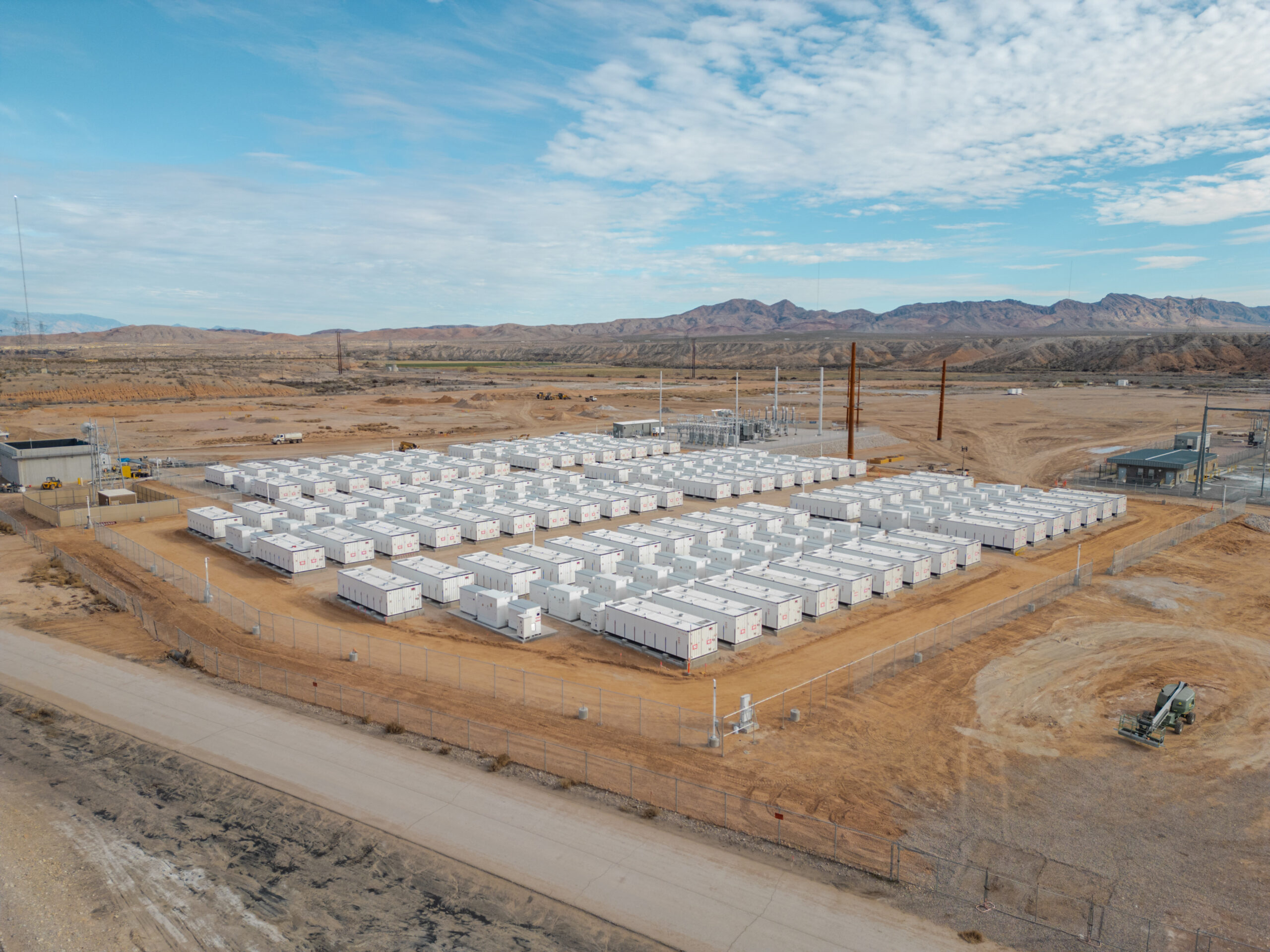
Ultium Cells will upgrade its existing Spring Hill, Tennessee facility. The project targets mass production of prismatic LMR cells specifically. Modifications are scheduled to run through 2028 according to the announcement.
The investment is expected to create roughly 500 new jobs locally. Spring Hill already produces Ultium cells for GM’s current EV lineup. This upgrade adds LMR capability on top of that existing production.
LMR Versus NMC: The Real Tradeoff
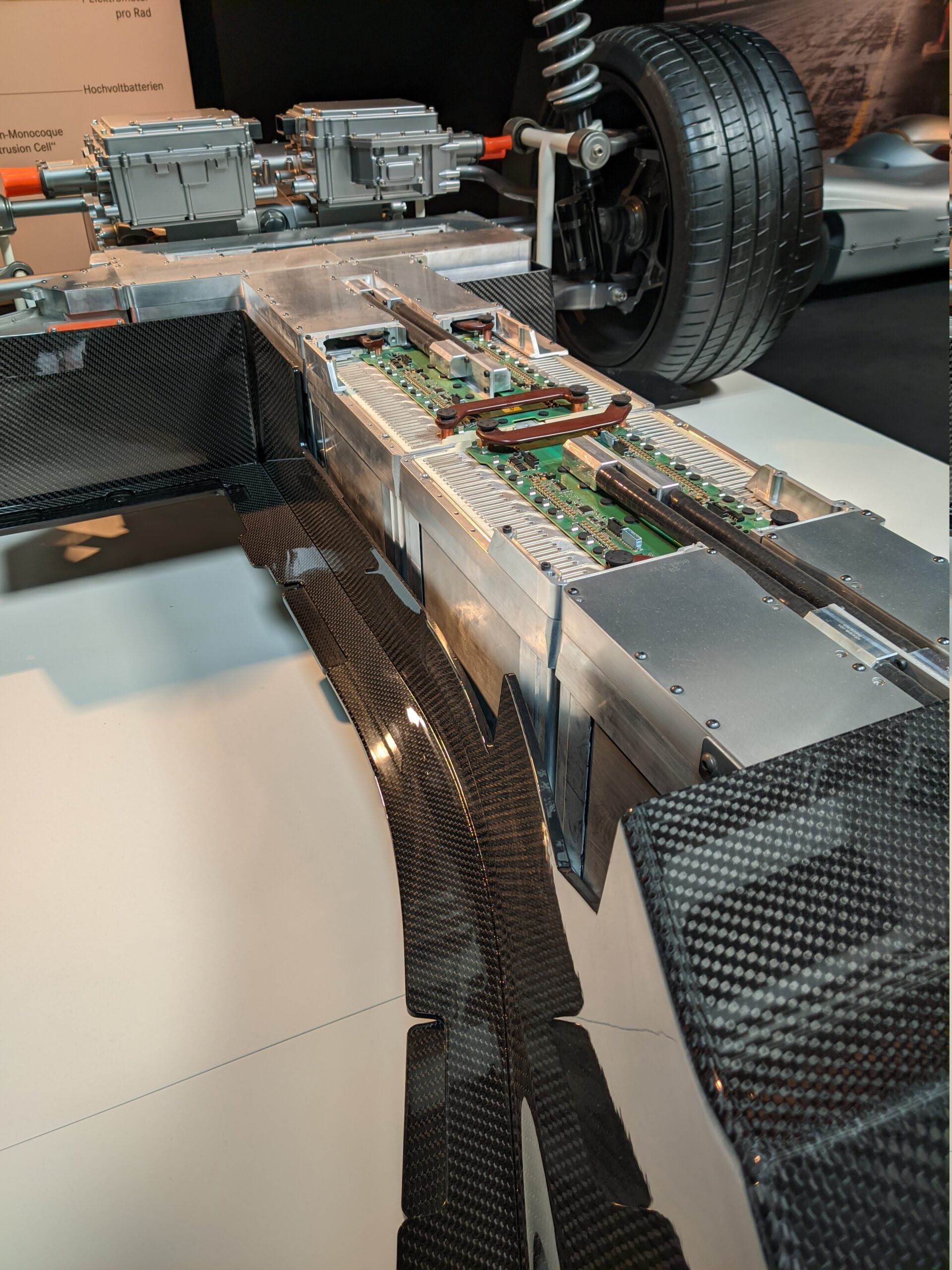
LMR stands for lithium manganese rich, a cathode chemistry alternative. Most EVs today instead run nickel-manganese-cobalt, known as NMC. The difference comes down to which raw materials each chemistry actually depends on.
NMC relies heavily on nickel and cobalt for its performance characteristics. Both metals carry real cost volatility and supply chain concentration risk. LMR cells lean on manganese instead, a far cheaper and more widely available material.
That cost advantage has historically come with a real tradeoff attached. Manganese-rich cathodes have faced longevity and voltage-stability challenges in development. Manufacturers have spent years refining the chemistry specifically to close that gap.
Technician’s Note: Treat early LMR-equipped EV specifications as preliminary until independent, long-term testing confirms them. A new cathode chemistry’s real-world degradation curve takes years of fleet data to fully establish.
Why GM Is Betting On This Chemistry Now
Lower material costs translate into lower battery pack costs at scale. Battery cost remains the single biggest line item in any EV’s total price. A cheaper cathode chemistry gives GM more room to compete on sticker price.
Reduced dependence on nickel and cobalt also carries real supply chain benefits. Both metals face geopolitical sourcing concentration in a handful of countries. Manganese sourcing spreads across a notably broader and more stable base.
GM is not alone in pursuing this shift industry-wide. Other automakers and battery makers are developing competing LMR and LFP alternatives too. Spring Hill’s timeline through 2028 suggests GM views this as a multi-year transition, not an overnight swap.
Common Questions About GM’s LMR Battery Shift
Will LMR battery cells actually cost less than today’s NMC cells?
Likely, based on reduced reliance on nickel and cobalt. Exact pricing depends on final production scale and material markets. Consult GM’s own future announcements for specific cost figures once Spring Hill reaches full production.
Do LMR batteries degrade faster than current NMC EV batteries?
Historically, manganese-rich chemistries faced real longevity challenges during development. Manufacturers have worked for years to close that gap. Independent long-term testing, not yet available for this specific cell, will confirm real-world durability once production vehicles ship.
Which GM vehicles will actually use these new LMR battery cells?
GM has not confirmed specific models yet. The announcement describes LMR cells as intended for future GM electric vehicles broadly. Specific model assignments will likely follow closer to Spring Hill reaching full LMR production capacity.